
Alzheimer's Tau Protein Revealed to Have Surprising Secret Role in Forming Lasting Memories

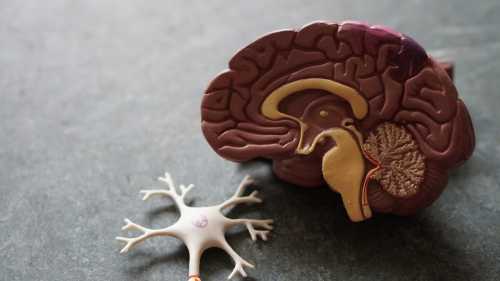
ADELAIDE, Australia — In a startling revelation that challenges conventional understanding of neurodegenerative disease, researchers have discovered that tau, the protein most notorious for its role in Alzheimer's disease, is actually indispensable for creating lasting memories.
The groundbreaking study, published in Nature Communications on July 12, 2026, was led by Flinders University in partnership with the University of New South Wales and Macquarie University, and provides revelatory new insights into both healthy memory function and the mechanisms underlying dementia www.sciencedaily.com .
Official Insight:
"Why some memories last while others fade has long puzzled scientists and our study shows that tau plays a key role in how the brain forms long-lasting memories. Without it, memories can still form in the moment, but they are weaker."
— Associate Professor Arne Ittner, Senior Author, Flinders University
The Remote Memory Discovery
The research team investigated "remote memory" in mice—memories that are recalled days or weeks after an experience. Their findings revealed a surprising distinction: tau is not necessary for initial learning or short-term recall, but plays a critical role in making memories durable over the long term.
Senior author Associate Professor Arne Ittner, a neuroscientist from Flinders' College of Medicine and Public Health, explained that these findings help elucidate why individuals with dementia may initially learn new information yet struggle to retain it over time.
Engram Cells: The Brain's Memory Archivists
The study focused on specialized brain cells called "engram cells," which create the physical record of a memory. When a new experience occurs, only a small subset of these cells is selected to store it.
Lead author Renée Kosonen, a researcher at Flinders' Neuroscience and Dementia Research, explained that tau acts like an organizer during this critical stage of memory formation, helping determine exactly which engram cells are recruited to preserve the experience.
Filtering the Signal from the Noise
The researchers discovered that tau reduces unnecessary or "noise" activity in the brain during memory formation. By limiting this background activity, tau allows only a specific group of cells to become part of a memory, producing clearer and more stable memory traces.
The team identified a crucial molecular process: as learning takes place, tau undergoes a subtle chemical change called phosphorylation, which helps coordinate the activity of engram cells. While abnormal tau phosphorylation is a well-known feature of Alzheimer's disease, the study shows that controlled, low-level phosphorylation is a normal and essential part of healthy brain function.
New Clues About Alzheimer's Pathogenesis
The researchers made another unexpected discovery: even in the absence of tau, memory traces still existed and could be recovered by directly stimulating engram cells. This suggests that tau is not required to store memories themselves, but rather is needed to connect natural cues—such as sights and sounds—with the ability to recall those memories.
The findings also provide new insight into how Alzheimer's-related tau may interfere with memory. When disease-associated forms of tau were present in engram cells during learning, they disrupted the creation of new memories. When those abnormal forms appeared after memories had already formed, they interfered with the brain's ability to retrieve them.
New research reveals tau protein is essential for forming long-lasting memories, not just a marker of Alzheimer's disease. This discovery could reshape how we understand and treat dementia. View official post
— Flinders University (@FlindersUni) July 12, 2026
These effects were associated with abnormal patterns of brain activity, suggesting that memory problems in dementia may result not only from memories being lost, but also from disruptions in how memories are organized and accessed.
Published: July 12, 2026
Related Articles
The Molecular Telemetry Paradigm: How Liquid Biopsies and Metabolic Agonists Are Restructuring Clinical Infrastructure
Oct 12, 2026
The Precision Paradigm: An Impact Analysis of 2026's Medical Research Realignment
Oct 11, 2026
Comments (0)
No comments yet. Be the first to share your thoughts!
Want to join the discussion?
Please log in to post a comment.
Login NoworCreate an Account