
American Fashion's AI Revolution: How Smart Glasses and Digital Shopping Agents Are Reshaping Retail in 2026

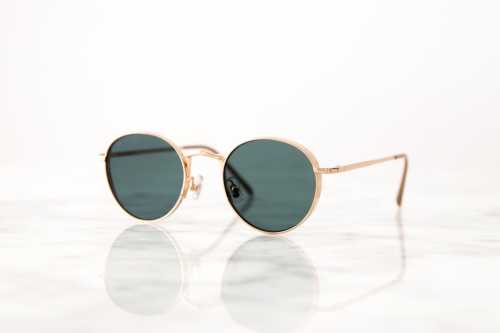
The Future of Fashion Is Wearing Smart Glasses
Imagine you're walking down the street, and your glasses can tell you exactly which store has the perfect pair of jeans in your size, at the best price, ready for you to try on. Or imagine having a personal shopping assistant that knows your style better than you know yourself, automatically finding deals and making purchases when you're not even looking. This isn't science fiction anymore. In 2026, this is the reality of American fashion retail, and it's changing everything about how we shop for clothes.
Smart Eyewear: The Hottest Fashion Accessory of 2026
According to a groundbreaking report from McKinsey and Business of Fashion, smart eyewear has officially become the fastest-growing accessory category in the entire fashion industry. By 2030, experts predict this market will exceed $30 billion, but the real explosion is happening right now, in 2026. Major technology companies and fashion brands are racing to release products that blend style with artificial intelligence, creating glasses that don't just look good but actually help you navigate your day, shop for clothes, and interact with the digital world.
Meet Your New AI Shopping Agent
Here's where things get really interesting. In 2026, consumers aren't just browsing websites anymore. They're using what industry experts call "agentic AI" — autonomous shopping agents that act on your behalf. These aren't simple chatbots. These are sophisticated artificial intelligence systems that can monitor prices across dozens of stores, compare products, read reviews, and even complete purchases automatically based on your preferences.
Think of it like having a super-smart personal shopper who never sleeps, never gets tired, and has access to every piece of information about every product in existence. According to the Business of Fashion's State of Fashion 2026 report, customers are increasingly turning to large language models to search for products, compare offerings, and receive tailored recommendations. This isn't just a trend — it's becoming the primary way people discover and buy fashion.
Why Brands Are Panicking (and Adapting)
This shift has fashion executives both excited and terrified. Here's the problem: if an AI agent is doing the shopping, how do brands make sure their products get chosen? In the old days, companies relied on eye-catching advertisements, celebrity endorsements, and beautiful store displays. But an AI doesn't care about a flashy billboard or a famous model. It cares about data — specific, detailed, technical information about products.
The report explains that to ensure their products are visible and favored by AI models, brands must completely rethink their digital marketing and e-commerce infrastructure. They need what experts call "semantically rich data" and "API-accessible content." In plain English, this means brands have to provide incredibly detailed information about their products in a format that AI systems can easily read and understand. A shirt isn't just "blue" anymore — it needs to be described as "navy blue, 100% organic cotton, pre-shrunk, tailored fit, machine washable, sustainably manufactured in Portugal, carbon-neutral shipping available." The brands that provide this level of detail are the ones whose products will be recommended by AI shopping agents.
The Physical Store Isn't Dead — It's Evolving
While digital transformation accelerates, physical retail is experiencing its own revolution. Take H.Lorenzo, for example. On June 1, 2026, this longtime destination for emerging designers opened a spectacular new 9,000-square-foot flagship store on Beverly Boulevard in West Hollywood. Designed in collaboration with Italian architect Oliviero Baldini, this isn't just a store — it's a multi-sensory experience that blends fashion, architecture, and art.
The space features everything from designer collections to collectible books and objects, creating an immersive environment where shopping feels more like visiting a museum or art gallery. This reflects a broader trend in American retail: physical stores are no longer just places to buy things. They're destinations, experiences, and community spaces where people go to be inspired, learn, and connect with brands on a deeper level.
Similarly, Shopbop hosted a major pop-up event in Newport Beach from June 4-7, 2026, at The Store at Lido Marina Village. The temporary boutique featured activations from brands including Roxanne Assoulin, Alex Mill, Alémais, and Frame, plus exclusive styles from Madewell and Simkhai. Shoppers could personalize their purchases, creating a memorable retail experience that goes far beyond a simple transaction.
Collaboration Nation: The Partnership Boom
June 2026 has been dubbed "Collaboration Month" in American fashion, with an unprecedented wave of brand partnerships hitting the market. On June 5, French fashion house Marine Serre unveiled a limited-edition capsule collection with Under Armour, celebrating the sportswear brand's 30th anniversary. The collection blurs the lines between luxury fashion and activewear, featuring everything from sports bras and running tops to sneakers, all available through an immersive pop-up experience in Paris and at select retailers including H.Lorenzo's new Los Angeles flagship.
Designer Marine Serre explained the vision: "Sport has always been part of my life. With Under Armour, I wanted to explore the beauty of movement through pieces that combine performance, precision, and beauty — starting from the baselayer, the closest element to the body and to the athlete's experience."
Meanwhile, ahead of the World Cup, Umbro and American Eagle teamed up on a soccer-inspired collection featuring jerseys, shorts, dresses, hats, and other game-day essentials. Best of all, every piece is priced under $100, making it accessible to a wide audience. This partnership represents a strategic move to capture the excitement of the World Cup while offering affordable, trend-forward pieces.
Even Your Dog Is Getting a Fashion Upgrade
In one of the more charming developments of June 2026, Glossier unveiled its Pink Capsule Collection, featuring accessories for both dogs and their owners. The lineup includes a sweatshirt, errand bag, leash, collar, and even coordinating waste bags. Yes, you read that right — designer waste bags for your dog.
This reflects a broader trend in American fashion: the pet humanization movement. Pets are no longer just animals — they're family members, and consumers want to dress them in stylish, high-quality products that match their own aesthetic. The success of this collection shows that the fashion industry is paying attention to every aspect of consumers' lives, even their afternoon walks with their dogs.
New Categories, New Opportunities
June 2026 also saw several brands expanding into entirely new product categories. Khy, the fashion label founded by Kendall Jenner, released its Summer 2026 collection, marking the brand's first foray into swimwear. Inspired by summer getaways, the lineup features standout silk styles with hand-drawn floral prints, the label's signature Leo Leopard motif, and lingerie-inspired pieces in seafoam blue and black, all crafted from 100% silk georgette.
Similarly, jewelry brand LIÉ Studio made its debut in eyewear on June 1, launching a sunglasses collection for Pre-Fall 2026. Priced at $270 each, the line features three styles: the Leo, Matteo, and Robyn. Crafted in Italy from premium Mazzucchelli acetate and fitted with lenses that provide 100% UVA and UVB protection, the frames come in black, light tortoise, dark tortoise, and burgundy.
Clare V. entered the swimwear space by partnering with Left On Friday on a 27-piece collection — the activewear brand's largest partnership to date. The collaboration combines Left On Friday's signature silhouettes and technical fabrics with Clare V.'s hand-drawn prints, featuring designs like Lucky Stripe and Check It alongside neutral hues such as Cold Brew and a vibrant Tropic green.
The Bigger Picture: What This All Means
The American fashion industry in 2026 is experiencing a fundamental transformation driven by three major forces: artificial intelligence, experiential retail, and strategic collaborations. Brands that succeed are those that embrace technology while maintaining human connection, that provide incredible detail for AI systems while creating unforgettable physical experiences, and that stay true to their heritage while fearlessly exploring new categories and partnerships.
For consumers, this means more choices, better prices, and more personalized shopping experiences than ever before. But it also means the shopping process itself is changing. Whether you're using an AI agent to find the perfect outfit, visiting an immersive flagship store, or buying a coordinated outfit for you and your dog, one thing is clear: fashion in America is more innovative, more accessible, and more exciting than it's ever been.
Official Social Media Announcement
See the official announcement from Business of Fashion about the State of Fashion 2026:
The State of Fashion 2026: Smart eyewear is the fastest-growing accessory category, AI shopping agents are transforming discovery, and brands must rethink their digital infrastructure. The rules have changed. Read the full report: https://t.co/BoF_State2026
— The Business of Fashion (@BoF) June 24, 2026
Related Articles
The Phylloxera of the Wardrobe: How Regulatory and Material Shocks Are Permanently Restructuring Global Fashion
Sep 24, 2026
The Kimberley Moment for Couture: How Digital Passports, Algorithmic Labor, and Private Equity Are Rewiring the Fashion Value Chain
Sep 23, 2026
Comments (0)
No comments yet. Be the first to share your thoughts!
Want to join the discussion?
Please log in to post a comment.
Login NoworCreate an Account