
Broadway's Biggest Night: How the 79th Tony Awards Reshaped the Summer Theater Landscape


The United States events landscape in June 2026 is witnessing an unprecedented surge in live gatherings, blending cultural celebrations with cutting-edge technological showcases. At the forefront of this vibrant season is the aftermath of the 79th Tony Awards, which took place on June 7, 2026, at the iconic Radio City Music Hall in New York City. This prestigious ceremony not only honored the pinnacle of American theatrical excellence but also set the tone for the summer tourism and entertainment economy. The Tony Awards, often referred to as the highest recognition in American theatre, serve as a critical barometer for the health of the live arts sector. In a post-pandemic world where digital consumption has dominated, the resounding success of this year's ceremony underscores a profound public hunger for shared, in-person experiences. The event was a spectacular display of artistic merit, bringing together the brightest stars of Broadway and drawing millions of viewers across the country.
Understanding the Magic of Broadway
To understand the magnitude of this event, we must break it down simply. Imagine your school puts on a big play. At the end of the year, the principal and teachers give out gold stars to the best actors, the best costume makers, and the best stage builders. The Tony Awards are exactly like that, but for the entire country of America, and instead of gold stars, they give out shiny medallions to the best plays and musicals on Broadway. It is a night where the people who create the magic of live theatre are celebrated by their peers and fans alike, ensuring that the art of storytelling on stage continues to thrive. This simple analogy captures the essence of the Tonys: a national celebration of creativity, hard work, and the irreplaceable magic of live performance.
ELI5: What are the Tony Awards?
The Tony Awards are the biggest prize in American theater. Just like the Oscars are for movies and the Grammys are for music, the Tonys are for stage plays and musicals. Winning a Tony means you are the absolute best at your job in the entire country, and it helps more people want to buy tickets to see your show!
This year's ceremony was marked by several historic victories that have sent ripples through the theatre community. The revival of Arthur Miller's classic "Death of a Salesman" was the undisputed champion of the night, taking home an impressive six Tony Awards. This monumental sweep is a testament to the enduring power of Miller's work and the brilliant interpretation by the current cast and creative team. The production's success highlights a fascinating trend in modern theatre: audiences and critics alike are deeply resonating with classic narratives that are reimagined with contemporary relevance. The win also signals a robust market for serious drama, proving that musicals are not the only draw for Broadway patrons. The economic implications of such a victory are massive, as a Tony win often translates to a significant boost in ticket sales, extending the run of the show and creating hundreds of jobs for actors, stagehands, and venue staff.
Another major highlight of the evening was the musical "Schmigadoon!", which secured four Tony Awards. Known for its clever parody of classic musical tropes and its infectious score, the show's success represents the growing appetite for original, meta-theatrical works that appeal to both hardcore theatre enthusiasts and casual viewers. The show's ability to blend nostalgia with sharp, modern humor resonated deeply with the voting body. This victory is particularly significant for the composers and lyricists involved, as original musicals are notoriously difficult to produce and market. The success of "Schmigadoon!" encourages producers to take risks on new intellectual property, fostering a more diverse and innovative Broadway landscape. It also demonstrates the power of cross-media appeal, as the show leveraged its previous streaming popularity to build a massive live audience.
The Broadcast and Economic Impact
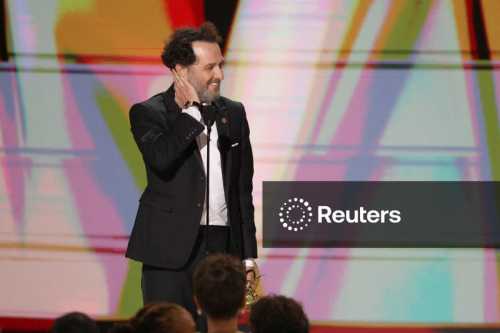
The ceremony itself was a masterclass in modern event production, featuring innovative segments that kept the audience engaged throughout the lengthy broadcast. One of the most talked-about elements was the First Impressions Cam, hosted by the talented Jordan Fisher. This segment, which captures the raw, unfiltered reactions of nominees as their names are called, provides a deeply humanizing contrast to the highly polished performances on stage. Fisher's charismatic hosting brought a sense of warmth and spontaneity to the broadcast, making the millions of viewers at home feel like they were sitting in the audience. The integration of such interactive, social-media-friendly segments is crucial for the Tonys to remain relevant in an era of shrinking attention spans. It bridges the gap between the exclusive, high-ticket world of Broadway and the digital, fast-paced world of online entertainment.
Beyond the artistic triumphs, the economic footprint of the Tony Awards and the surrounding Broadway week cannot be overstated. The influx of tourists, industry professionals, and media personnel into New York City generates tens of millions of dollars for the local economy. Hotels, restaurants, transportation services, and retail shops all benefit from the concentrated surge in visitors. This economic stimulus is vital for the city's recovery and continued growth. Furthermore, the global broadcast of the event serves as a multi-million-dollar commercial for New York City as a premier tourist destination. Viewers from across the globe are inspired to add a Broadway show to their travel itineraries, ensuring a steady stream of tourism revenue for months to come. The event is not just a celebration of art; it is a powerful economic engine.
The Intersection of Art and Technology
While the Tony Awards dominated the cultural conversation, the United States events landscape in mid-June also encompasses massive technological and professional gatherings. A prime example is AWE USA 2026, the premier augmented and virtual reality event, which took place from June 15 to June 18 in Long Beach, California. This conference represents the cutting edge of spatial computing and immersive technologies. Unlike the artistic focus of the Tonys, AWE USA is driven by innovation, business networking, and the future of human-computer interaction. The event brought together thousands of developers, engineers, investors, and visionaries to showcase the latest advancements in spatial AI. The timing of this event, occurring just days after the Tonys, highlights the diverse nature of the US events sector, which seamlessly transitions from celebrating the arts to shaping the future of technology.
ELI5: What is AWE USA?
Imagine wearing a pair of magic glasses that lets you see a dinosaur standing in your living room, or lets you move digital boxes with your bare hands. AWE USA is a giant gathering where smart people show off these magic glasses and the computer tricks that make them work. They are figuring out how to mix the digital world with the real world we live in every day. This event is where the future is built, one line of code and one prototype at a time.
The convergence of these two vastly different events—the Tony Awards and AWE USA—illustrates a broader trend in the American events industry: the increasing integration of advanced technology into live experiences. Theatrical productions are now utilizing complex projection mapping, automated staging, and enhanced sound design that relies on the very technologies showcased at conferences like AWE USA. Furthermore, the way events are marketed, ticketed, and experienced by remote audiences has been revolutionized by spatial computing and AI. The US events sector is not just hosting gatherings; it is actively testing and deploying the technologies that will define the future of live interaction. This symbiotic relationship between the arts and technology ensures that American events remain at the global forefront of innovation and entertainment.
As we move through the summer of 2026, the momentum generated by these June events will continue to drive the industry forward. The success of the Tony Awards has secured the financial viability of numerous Broadway productions, ensuring that world-class theatre will remain accessible to audiences for the foreseeable future. Meanwhile, the breakthroughs announced at AWE USA will begin to filter into consumer markets, changing how we work, play, and connect. The United States continues to prove that it is the undisputed global leader in the events industry, capable of hosting gatherings that celebrate the depths of human creativity and the heights of technological ambition. The stage is set, the technology is loaded, and the show is just beginning.
Related Articles
The Cultural Default: How Live Sports, Billionaire Underwriting, and Algorithmic ROI Are Rewriting the Awards Ecosystem
Sep 16, 2026
The 2026 Live Events Fracture: How Algorithmic Pricing and Streaming Fragmentation Are Rewiring the Awards Economy
Sep 15, 2026
Comments (0)
No comments yet. Be the first to share your thoughts!
Want to join the discussion?
Please log in to post a comment.
Login NoworCreate an Account