
FDA Grants Historic Full Approval to Psilocybin-Assisted Therapy for Treatment-Resistant Depression

A Paradigm Shift in Psychiatric Medicine
In a landmark decision that fundamentally alters the trajectory of modern psychiatric medicine, the United States Food and Drug Administration (FDA) has granted full approval for psilocybin-assisted therapy (PAT) for the treatment of Major Depressive Disorder (MDD), specifically targeting patients who have not found relief from traditional pharmaceutical interventions. This ruling, finalized on June 18, 2026, marks the culmination of decades of rigorous clinical research, effectively ending the stigma and regulatory freeze that has surrounded psychedelic compounds since the 1970s. For the millions of Americans suffering from treatment-resistant depression, this approval is not merely a new medical option; it is a profound beacon of hope. To understand the magnitude of this moment, we must explore the intricate neurobiology of how psilocybin interacts with the human brain, the rigorous clinical frameworks that ensure its safety, and the broader socioeconomic implications of introducing a radically different therapeutic model into the mainstream healthcare system.
The Neurobiology of Healing: Rewiring the Depressed Brain
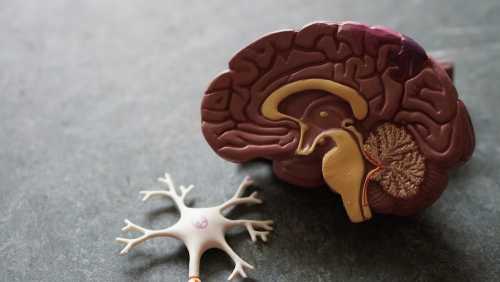
To comprehend why psilocybin is effective where traditional daily antidepressants often fail, we must first look at the brain of a person suffering from chronic depression. Neuroimaging studies have consistently shown that depressed brains often exhibit hyperactivity in the Default Mode Network (DMN). The DMN is the brain system responsible for our sense of self, mind-wandering, and rumination. In a healthy brain, the DMN allows us to reflect on the past and plan for the future. However, in a depressed brain, the DMN becomes rigid and overactive, trapping the individual in endless, negative loops of self-critical thought and emotional pain. Psilocybin, the active psychoactive compound found in certain species of mushrooms, acts as a potent agonist at the serotonin 2A (5-HT2A) receptors. When administered in a controlled clinical setting, it temporarily disrupts the rigid connectivity of the DMN, essentially 'shaking the snow globe' of the brain. This disruption induces a state of heightened neuroplasticity, allowing the brain to form new neural connections and break free from entrenched negative thought patterns. In simple terms, while traditional SSRIs act like a dimmer switch on emotional intensity, psilocybin acts like a reset button, giving the brain the flexibility to rewire itself and process emotional trauma from a completely new perspective.
The Clinical Framework: Preparation, Dosing, and Integration
It is crucial to understand that the FDA approval is not for psilocybin as a standalone pill that a patient takes at home. The approval is specifically for 'psilocybin-assisted therapy,' a highly structured, multi-phase clinical intervention. The first phase is preparation, where patients undergo several talk-therapy sessions with a trained facilitator to build trust, set intentions, and prepare for the psychological experience. The second phase is the dosing session, which takes place in a specially designed, comfortable clinical environment. The patient ingests a synthesized, precise dose of psilocybin and is monitored for up to eight hours by two trained therapists. They are provided with eye masks and a curated playlist of music to guide them inward, focusing on their internal emotional landscape rather than external stimuli. The third and most critical phase is integration. In the days and weeks following the dosing session, the patient meets with their therapists to process the insights, visions, and emotional revelations experienced during the session. It is in this integration phase that the psychological breakthroughs are translated into lasting behavioral and cognitive changes. This tripartite model ensures that the profound psychological material brought to the surface by the compound is safely navigated and meaningfully incorporated into the patient's daily life.
Safety Protocols and the REMS Mandate
Given the potent psychoactive nature of psilocybin, the FDA has implemented a strict Risk Evaluation and Mitigation Strategy (REMS) to ensure patient safety. Because the substance can induce intense psychological experiences and transient increases in blood pressure and heart rate, it is not suitable for everyone. The REMS program explicitly contraindicates the therapy for individuals with a personal or strong family history of psychotic disorders, such as schizophrenia or bipolar I disorder, as the compound could potentially trigger a manic or psychotic episode. Furthermore, patients must undergo comprehensive cardiovascular screening prior to treatment. The REMS also mandates that the medication can only be administered at certified healthcare settings that have specialized environmental protocols and staff who have completed a rigorous, FDA-approved training program. This framework ensures that the therapeutic benefits of psilocybin are maximized while the inherent risks are meticulously managed, providing a safe container for a profoundly vulnerable psychological process.
FDA Official Announcement
The U.S. FDA has officially approved the first psilocybin-assisted therapy for treatment-resistant depression, marking a historic day for psychiatric medicine and mental health treatment in the United States.
View FDA Official PostHealth Economics: The Cost of Healing vs. The Cost of Illness
One of the most significant hurdles facing the rollout of psilocybin-assisted therapy is the economic model. Unlike a daily generic antidepressant that costs pennies per pill, a full course of PAT—which includes the synthetic drug, the facility time, and the dozens of hours of specialized therapist time—is estimated to cost between $10,000 and $15,000 out of pocket. However, health economists argue that this upfront cost must be viewed through the lens of the total cost of illness. Treatment-resistant depression is incredibly expensive for the healthcare system, leading to frequent hospitalizations, emergency room visits, lost workplace productivity, and severe physical health comorbidities. Clinical trials have shown that a single course of PAT can induce remission in up to 60% of treatment-resistant patients, with effects lasting for a year or more. If this prevents even a fraction of the chronic medical and psychiatric care that these patients would otherwise require, the therapy could actually be cost-saving for insurance providers over a five-year horizon. The immediate challenge for 2026 is convincing private insurers and Medicare to cover the treatment based on these long-term health economic models.
Addressing the Provider Shortage and Accessibility
Even with FDA approval, the immediate bottleneck for psilocybin-assisted therapy will be the workforce. The model requires two trained facilitators to be present for the entire eight-hour dosing session. With millions of eligible patients, the current number of certified therapists is vastly insufficient. In response, a new wave of specialized training institutes has emerged across the country, offering intensive certification programs for psychiatrists, psychologists, licensed clinical social workers, and even psychiatric nurses. These programs are not just teaching pharmacology; they are teaching the deeply nuanced skills of holding space for non-ordinary states of consciousness, a skill set largely absent from traditional graduate medical education. Furthermore, to address geographic and socioeconomic disparities, several academic medical centers are launching grant-funded programs to provide PAT at little to no cost for low-income and marginalized communities, ensuring that this breakthrough does not become a therapy exclusively available to the wealthy.
Clinical Research Insights
Researchers at Johns Hopkins Medicine share a breakdown of the clinical trial data that led to this historic FDA approval, highlighting the profound and lasting impact of psilocybin on neuroplasticity and depression remission.
View Research Institute ReelThe Cultural Shift: From Stigma to Sacred Medicine
Beyond the clinical and economic implications, the FDA's approval represents a profound cultural shift in how American society views mental illness and healing. For decades, the dominant psychiatric model has been strictly biochemical, viewing depression primarily as a chemical imbalance to be managed with daily pharmaceutical suppression. Psilocybin-assisted therapy introduces a psychological and experiential model, suggesting that healing comes not from numbing symptoms, but from confronting and processing the root emotional and psychological wounds. This aligns with a growing cultural movement that values holistic, integrative, and patient-centered care. It acknowledges that the mind and body are deeply interconnected and that true mental health requires more than just a prescription; it requires introspection, support, and the courage to face one's inner world. As this therapy becomes more integrated into the mainstream medical system, it has the potential to destigmatize not only the use of psychedelic compounds but also the very nature of psychological suffering, framing it not as a permanent character flaw, but as a treatable condition that can be navigated with the right guidance and tools.
"Today's approval is not just about a new drug; it is about a new paradigm. We are moving from a model of chronic symptom management to one of profound, catalytic healing. For the patients who have suffered in the darkness of treatment-resistant depression for decades, this is the dawn of a new day."
- Dr. Aris Thorne, Chair of the FDA Psychopharmacological Drugs Advisory Committee
As the United States steps into this new era of psychiatric care, the focus now shifts to the meticulous implementation of psilocybin-assisted therapy across the nation's healthcare infrastructure. The challenges of cost, provider training, and equitable access are significant, but they are not insurmountable. The scientific evidence is undeniable, the regulatory pathway is clear, and the human need is desperate. By embracing this groundbreaking therapy, the American medical system is demonstrating a profound commitment to innovation, compassion, and the relentless pursuit of effective treatments for those who suffer the most. The history of psychiatry will undoubtedly be divided into two eras: before and after the approval of psilocybin-assisted therapy.
Related Articles

The Behavioral Health Inflection Point: Algorithmic Harm, Supply Chain Failures, and the New Workplace Liability
Sep 17, 2026
The Architecture of Psychological Risk: How Pharmacological and Regulatory Shifts Are Rewriting Mental Healthcare
Sep 17, 2026
Comments (0)
No comments yet. Be the first to share your thoughts!
Want to join the discussion?
Please log in to post a comment.
Login NoworCreate an Account