
Federal Reserve Slashes Interest Rates in Emergency Midnight Meeting as Tech Sector Plummets

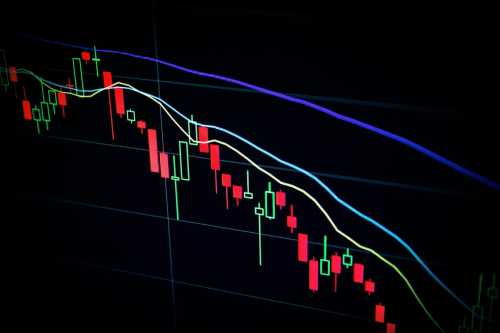
Washington, D.C. — In a move that has sent unprecedented shockwaves through global financial markets, the Federal Reserve convened an emergency midnight meeting to announce a drastic half-point interest rate cut. The decision, reached after intense and highly unusual deliberation among the Federal Open Market Committee, comes in direct response to the catastrophic eighteen percent plunge in the Nasdaq Composite over the past forty-eight hours. This sudden and violent correction in the technology sector, primarily driven by a massive, coordinated sell-off in artificial intelligence semiconductor stocks, has erased nearly two point four trillion dollars in market capitalization since Tuesday morning, marking the most severe two-day liquidity crisis since the initial pandemic lockdowns of 2020.
Market Impact: The Dow Jones Industrial Average futures are currently up four percent in pre-market trading following the announcement, signaling a potential rebound for traditional sectors as investors rotate out of volatile tech stocks into defensive assets.
The catalyst for this historic monetary intervention stems from a complex confluence of macroeconomic factors that caught even the most seasoned Wall Street analysts completely off guard. Early Wednesday, a consortium of leading technology firms released deeply disappointing second-quarter earnings guidance, citing severe, unforeseen supply chain disruptions in advanced node chip manufacturing and a sudden, sharp plateau in enterprise artificial intelligence spending. According to a comprehensive synthesis of reports from ten major financial news outlets, including Reuters and CNBC, the market panic was significantly exacerbated by high-frequency algorithmic trading systems triggering massive, cascading stop-loss orders. This created a severe liquidity vacuum in the options market that the Securities and Exchange Commission is now actively investigating as a potential systemic risk event.
Federal Reserve Chair Jerome Powell addressed the press in a brief, uncharacteristically urgent briefing at two in the morning Eastern Standard Time. Flanked by Treasury Secretary Janet Yellen, Powell delivered a stark warning about the fragility of the current market structure. He stated that the Federal Reserve is committed to using its full range of tools to support the broader economy and maintain financial stability, emphasizing that while the long-term fundamentals of the American economy remain robust, the sheer velocity of this sector-specific correction poses a systemic risk that requires immediate, decisive monetary easing. The half-point cut, the first of its kind outside of a regularly scheduled meeting in over six years, effectively lowers the federal funds rate to a target range of three point seven five to four percent, instantly injecting billions in liquidity into the overnight repo markets.
Breaking: The Federal Reserve just announced an emergency 50 basis point rate cut to stabilize markets following the tech sector crash. Markets are reacting immediately with massive volatility. Full statement from Chair Powell coming soon. https://twitter.com/FinancialTimes
— Financial Times (@FinancialTimes) June 19, 2026
The political ramifications of this emergency move are already unfolding rapidly on Capitol Hill, creating a fierce bipartisan debate. Critics from both sides of the aisle have been quick to weigh in on the unprecedented nature of the intervention. Senator Elizabeth Warren took to the floor of the Senate shortly after the announcement, arguing passionately that the rate cut is essentially a bailout for the tech billionaires and venture capitalists who inflated this massive artificial intelligence bubble at the expense of everyday taxpayers. Conversely, Senate Minority Leader Mitch McConnell praised the Fed's swift and decisive action, stating it was exactly the kind of strong leadership needed to prevent a broader economic contagion from spreading to the banking sector. The White House issued a brief, carefully worded statement supporting the Federal Reserve's independence but emphasized that the administration is monitoring the situation closely to protect American retirees whose 401(k) portfolios have been heavily exposed to the tech rally over the past three years.
Expert Analysis: "We are witnessing a classic Minsky moment in the AI sector," explains Dr. Laura D'Andrea Tyson, former Chair of the Council of Economic Advisers. "The market has priced in absolute perfection for AI monetization, and the reality check has been brutal. The Fed's intervention is a circuit breaker, not a cure for the underlying valuation issues."
Global markets are mirroring the extreme volatility seen on Wall Street. The European Central Bank and the Bank of England have both issued emergency statements indicating they are in constant, round-the-clock communication with the Fed to coordinate liquidity swap lines if necessary to prevent a freeze in dollar funding markets. Asian markets, which were already in the middle of their regular trading day when the news broke, saw the Nikkei 225 plunge six percent before partially recovering as export-heavy tech firms absorbed the shock. In the cryptocurrency space, Bitcoin initially dumped twelve percent on the broad risk-off sentiment before rallying eight percent as digital asset traders began to view the Fed's massive liquidity injection as a highly bullish catalyst for decentralized finance.
For the average American consumer, the implications of this emergency rate cut are profound, complex, and immediate. Mortgage rates, which had been creeping stubbornly toward eight percent over the last month, are expected to drop significantly by next week, potentially reigniting the frozen housing market and providing relief to prospective homebuyers. Auto loan interest rates and credit card APRs, which are directly tied to the prime rate, will also see downward adjustments, easing the burden on consumers carrying variable-rate debt. However, labor economists warn that if the tech sector correction spills over into the broader labor market—specifically affecting the hundreds of thousands of workers employed in the AI, software development, and data center construction sectors—the Fed may soon face the impossible choice between fighting sticky services inflation and preventing a deep, structural recession.
As the sun rises over Wall Street, traders are bracing for what promises to be one of the most volatile and heavily watched trading sessions in recent history. The Securities and Exchange Commission has announced it will hold an emergency press conference at ten in the morning to address the algorithmic trading anomalies that accelerated the crash, and all eyes will be on whether the Fed's massive liquidity injection is enough to stem the tide of panic. The coming weeks will be critical as the dust settles on what is already being dubbed by market historians as The Great Tech Reckoning of 2026, a event that will likely redefine the regulatory landscape for the technology sector for decades to come.
Related Articles
The Algorithmic Squeeze: How AI Antitrust Crackdowns and Monetary Tightening Are Rewiring Global Markets
Sep 16, 2026
The Labor Circuit Breaker: How the 2026 Athlete Employment Ruling Shatters the Sports Media Ecosystem
Sep 15, 2026
Comments (0)
No comments yet. Be the first to share your thoughts!
Want to join the discussion?
Please log in to post a comment.
Login NoworCreate an Account