
Healing the Historic Hospital: The UK's Massive 2026 Blueprint to Save and Modernize the NHS

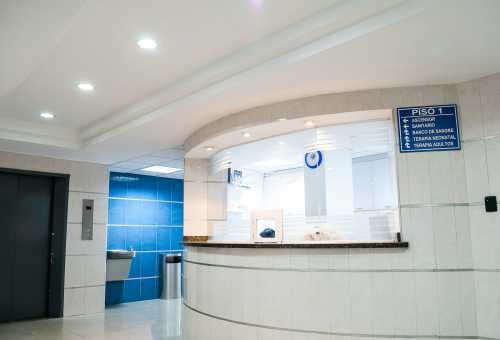
Imagine a giant, beautiful, historic library that belongs to everyone in the country. It is a place of incredible pride. When you walk through its grand doors, you do not have to pay an entrance fee. You do not have to show a special membership card. Whether you are the richest person in the kingdom or the poorest, the doors are open, and the knowledge inside is free. This is exactly what the National Health Service, or the NHS, is to the people of the United Kingdom. It is the grand library of health, a place where doctors and nurses provide care based on need, not on the size of your wallet. But just like a massive, historic building that has stood for over seventy-five years, the physical walls are old, the plumbing sometimes leaks, and the librarians—the brilliant doctors and nurses—are incredibly overworked. People often have to wait in long lines just to get a simple book, or in this case, a basic check-up. In 2026, the UK government has unveiled a monumental, multi-billion-pound healthcare policy blueprint designed to renovate this grand library, hire more staff, and completely digitize its catalog. This is the story of how the UK is fighting to save its most treasured institution.
The Heart of the Nation: Understanding the NHS Crisis
To understand the urgency of the 2026 policy blueprint, we must first understand the crisis the NHS has been facing. Over the last decade, the population of the UK has grown, and people are living longer. Living longer is a wonderful thing, but it means that more people are developing complex, chronic conditions like diabetes, heart disease, and dementia that require constant, ongoing care. The grand library was built for a different era, and it was struggling under the weight of modern demand. The most visible symptom of this crisis was the waiting lists. Millions of people were waiting months, sometimes over a year, for routine surgeries like hip replacements or cataract removals. Behind the scenes, the problem was exacerbated by what healthcare policy experts call "bed blockers." These are elderly patients who are perfectly healthy from a medical standpoint and are ready to leave the hospital, but they cannot go home because the social care system—the network of helpers who assist people with daily tasks like bathing and dressing—does not have the funding or the staff to support them. So, they remain stuck in a hospital bed, taking up space that a sick patient desperately needs.
Bridging the Gap: The Social Care Integration Mandate
The first and most crucial pillar of the 2026 healthcare policy is the formal, financial integration of social care with the NHS. For decades, healthcare (doctors and hospitals) and social care (home helpers and care homes) were funded and managed by completely different government departments. It was like the library and the bus service being run by two different companies that refused to talk to each other. The new policy creates unified "Integrated Care Systems" in every region of the UK. This means the money and the management for hospital beds and home care helpers now come from the same pot and are managed by the same local boards. If a hospital discharges an elderly patient, the funding for a home care aide is automatically triggered and guaranteed. By fixing the bottleneck at the exit of the hospital, the system frees up thousands of beds for the patients waiting in the emergency rooms. It is a policy that recognizes a fundamental truth: health does not just happen inside the four walls of a hospital; it happens in the living rooms, kitchens, and communities where people actually live.
The Digital Catalog: Remote Monitoring and the Virtual Ward
The second massive pillar of the 2026 blueprint is the aggressive rollout of the "Virtual Ward" and remote monitoring technology. The government has invested billions in providing patients with wearable devices that continuously track their vital signs—heart rate, oxygen levels, blood pressure—and send that data directly to a central digital dashboard. Imagine if the library could send a book to your house, and a magical sensor would tell the librarian exactly how many pages you had read and if you were getting confused, without the librarian ever having to visit your home. This is the Virtual Ward. Patients who are recovering from surgery or managing a flare-up of a chronic illness can stay in the comfort of their own beds. If their vital signs start to look worrying, the digital dashboard alerts a nurse, who can video-call the patient immediately or dispatch an ambulance. This policy keeps patients out of the physical hospital, drastically reducing the risk of them catching nasty hospital-acquired infections, and freeing up the physical beds for the most critical, life-threatening emergencies. It shifts the NHS from being a place you go when you are sick, to a system that watches over you while you heal at home.
The NHS is the closest thing to a religion that this country has. This 2026 blueprint is not just about spending money; it is about fundamentally redesigning the flow of care. By integrating social care and embracing the virtual ward, we are ensuring the NHS survives for its 100th birthday and beyond.
Paying the Piper: The Funding and Taxation Reality
Of course, renovating a grand library, hiring thousands of new nurses, and buying millions of digital sensors costs an astronomical amount of money. The 2026 policy is funded through a combination of long-term government borrowing and a slight, targeted adjustment to national insurance contributions. This is always the most politically sensitive part of healthcare policy. The government has to look the public in the eye and say, "If you want the waiting lists to go down, if you want the Virtual Wards to be built, and if you want the nurses to be paid fairly, we all have to contribute a little more to the giant community jar." The political debate in the UK is fierce, with opposition parties arguing about whether the money is being spent efficiently or if it is just being thrown into a black hole of bureaucratic inefficiency. However, the underlying consensus remains strong: the NHS is the beating heart of the nation, and letting it fail is simply not an option. The policy mandates strict, transparent reporting on how every single penny is spent, with independent auditors tracking the reduction in waiting lists month by month.
As the 2026 healthcare policy blueprint begins to take effect across the United Kingdom, the mood is one of cautious, hard-earned optimism. The grand old library of the NHS is finally getting the renovation it so desperately needs. The walls are being reinforced by integrating social care, and the catalog is being digitized through the magic of the Virtual Ward. It is a massive, complicated, and deeply human endeavor. It is about ensuring that the promise made in 1948—that comprehensive, free healthcare for all, from the cradle to the grave—remains a reality in the 21st century. The road to recovery for the NHS has been long and painful, but with this bold new policy, the UK is finally laying down a solid, modern foundation for the future of its most cherished institution.
Official Government Announcement:
The NHS is the beating heart of our nation. Today, we publish the 2026 Long Term Plan: integrating social care, launching the Virtual Ward, and securing the future of free healthcare for generations to come. ???????????? #NHS2026 #HealthAndCare
— Department of Health and Social Care (@DHSCgovuk) June 20, 2026
Read the full policy blueprint: Official DHSC NHS Plan 2026
Related Articles

The Healthcare Policy Fracture: How September 2026 Exposed the Structural Limits of Market Consolidation
Sep 18, 2026
The Fracturing of Chronic Care Economics: How 2026 Drug Policy is Rewiring the Healthcare System
Sep 17, 2026
Comments (0)
No comments yet. Be the first to share your thoughts!
Want to join the discussion?
Please log in to post a comment.
Login NoworCreate an Account