
Medicare's Historic $50 GLP-1 Coverage Launches: Millions of Seniors Gain Access to Weight Loss Drugs

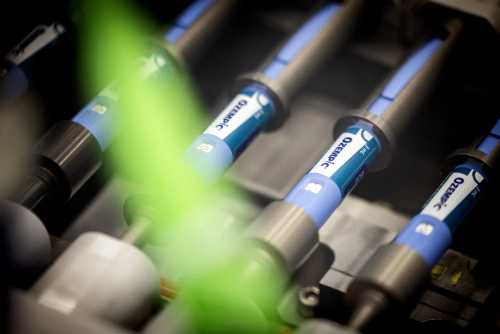
WASHINGTON, D.C. — In a landmark shift in federal health policy, the Centers for Medicare & Medicaid Services (CMS) launched the Medicare GLP-1 Bridge program on July 1, 2026, granting eligible Medicare beneficiaries access to groundbreaking weight-loss medications for just $50 per month.
The time-limited demonstration program, which runs through December 31, 2027, represents the first time Medicare will cover GLP-1 medications specifically for obesity treatment, circumventing a decades-old federal prohibition that previously barred coverage of weight-loss drugs alone.
CMS Administrator Dr. Mehmet Oz declared: "These treatments are a major medical advancement, but too many seniors are currently unable to access them due to high cost. The Medicare GLP-1 Bridge changes that by making these medications more affordable and accessible, while advancing our broader goal of helping Americans live healthier lives."
The program covers GLP-1 receptor agonists from pharmaceutical giants Novo Nordisk and Eli Lilly, including Wegovy (both injection and pill formulations), Zepbound KwikPen, and the newly launched Foundayo daily tablet.
Eligibility Requirements: Who Qualifies?
To qualify for the program, Medicare Part D enrollees must meet specific clinical criteria based on body mass index (BMI) and comorbidities:
- BMI of 35 or higher (no additional conditions required)
- BMI of 30 or higher plus history of heart failure, uncontrolled hypertension, or chronic kidney disease
- BMI of 27 or higher plus prediabetes, previous heart attack or stroke, or symptomatic peripheral artery disease
According to KFF estimates, approximately 3.8 million Medicare beneficiaries meet these eligibility requirements, though pharmaceutical companies Novo Nordisk and Eli Lilly suggest the potential patient pool could reach 15 to 20 million older adults.
???? Financial Impact: Dramatic Cost Reduction
The $50 monthly copay represents a substantial discount from typical out-of-pocket costs, which can range from $299 to $699 per month depending on the medication and dosage. However, the copay does not count toward patients' Part D deductible or the $2,100 annual out-of-pocket maximum.
How the Program Works
Unlike traditional Medicare Part D coverage, the Bridge program operates through a centralized prior authorization system administered by Humana. Healthcare providers must submit documentation certifying that patients meet clinical eligibility criteria, with CMS expecting approvals within 72 hours of electronic submission.
Once approved, patients pay the flat $50 copayment directly at the pharmacy when picking up their prescription, regardless of dosage strength.
⚠️ Important Caveats and Concerns
Health policy experts warn that the program's temporary nature creates ambiguity for patients who may begin what experts consider lifelong therapies. Studies show that patients who discontinue GLP-1 treatment often regain approximately two-thirds of their lost weight within one year.
"It's good news that Medicare is rolling out this program, but it is temporary, so it's really not clear at this point what happens after the end of the 18-month program duration," said Juliette Cubanski, director of the Program on Medicare Policy at KFF.
Industry Implications and Market Impact
The program marks a watershed moment for Novo Nordisk and Eli Lilly, unlocking a vast new patient population. Lilly currently leads with approximately 60% market share compared to Novo's 39% as of Q1 2026.
Analysts at Leerink Partners project the program could generate more than $1 billion in annual revenue for each company, with oral formulations particularly appealing to seniors—Novo's market research indicates 75% of older adults prefer daily pills over weekly injections.
???? Healthcare System Preparedness
Medical professionals express concerns about potential strain on clinics and pharmacies as pent-up demand unleashes. Dr. Carolynn Francavilla Brown, vice president of the Obesity Medicine Association, warned that patients shouldn't expect to pick up medications immediately on July 1, as the healthcare system is already stretched thin with long wait times for appointments.
The Path Forward
CMS originally envisioned Bridge as a six-month transition to a longer-term program called Balance, which would shift coverage responsibility to private Part D insurers. However, major insurers including CVS and UnitedHealthcare declined to participate voluntarily, citing concerns about program structure and costs.
A permanent solution would require Congressional passage of the Treat and Reduce Obesity Act, which would lift Medicare's statutory ban on obesity drug coverage. Despite bipartisan support, the legislation faces impediments due to cost concerns—the Congressional Budget Office estimated a $35 billion federal spending increase over nine years, though supporters argue this overstates net costs by not fully capturing potential savings from preventing obesity-related conditions.
As the program launches, CMS officials emphasized they will "carefully track participation and outcomes" to inform future policy decisions, with Dr. Holly Lofton, director of the Medical Weight Management Program at NYU Langone, calling the initiative a transformative step that will "improve access to so many Americans who need these medications."
Related Articles

The Actuarial Athlete: How Continuous Ketone Clearance and Muscle Oxygenation Mandates Are Rewiring the Fitness Value Chain
Oct 16, 2026
The Metabolic Ledger: How OTC Agonists, Biomarker Panopticons, and Epigenetic Mandates are Obliterating the Legacy Fitness Paradigm
Oct 15, 2026
Comments (0)
No comments yet. Be the first to share your thoughts!
Want to join the discussion?
Please log in to post a comment.
Login NoworCreate an Account