
Psilocybin May Reshape Brain Activity and Support Mental Health, UCSF Study Finds

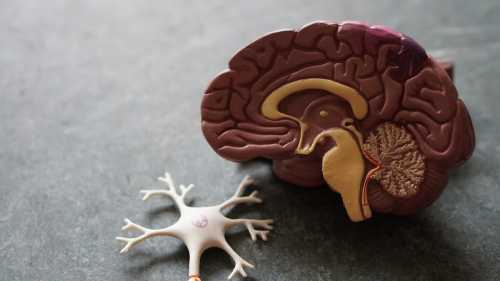
In an epochal advancement for psychiatric research, investigators at the University of California, San Francisco have elucidated how a single, high dose of psilocybin may induce enduring physiological modifications in human brain architecture.
The exploratory trial revealed that the psychedelic compound, naturally occurring in certain fungal species, not only transiently alters neural activity but also appears to foster enhanced mood, cognitive flexibility, and psychological insight over a sustained period.
“Psychedelic means 'psyche-revealing,' or making the psyche visible,” stated senior author Robin Carhart-Harris, PhD, Ralph Metzner Distinguished Professor of Neurology and Psychiatry at UCSF. “This study suggests psilocybin therapy can improve general mental health and suggests candidate brain and psychological mechanisms for how this happens.”
During the meticulously controlled trial, twenty-eight healthy adults with no prior psychedelic exposure received two distinct doses separated by one month. The protocol initiated with a nominal 1 mg control dose, followed by a substantial 25 mg administration in a dimly lit, aesthetically curated environment.
Utilizing electroencephalography (EEG) and magnetic resonance imaging (MRI), researchers documented a marked increase in "brain entropy"—a metric reflecting the complexity of neural activity—during the acute experience. Participants exhibiting the most pronounced entropy elevations subsequently reported profound psychological insights and elevated well-being at the four-week follow-up.
Furthermore, diffusion tensor imaging (DTI) revealed tangible structural alterations in white matter pathways associated with emotional regulation and decision-making. The research team posits that these findings may represent the first documented evidence of anatomical neuroplasticity induced by a psychedelic substance in human subjects.
Official Social Media Verification: The UCSF Department of Psychiatry and Behavioral Sciences publicly corroborated these findings, highlighting the research's implications for future mental health treatments.
A Peek Inside Medicine's Psychedelic Promise: New research from UCSF highlights psilocybin's potential for treating mental health conditions, led by Ralph Metzner Distinguished Professor Robin Carhart-Harris.
— UCSF Psychiatry (@UCSFPsychiatry) July 15, 2026
For comprehensive data and methodological details, readers are directed to the verified primary source report in Medical News Today and the original publication in Nature Communications.
Related Articles

The Biological Circuit Breaker: How Continuous Biomarkers, Cognitive Rest Mandates, and Algorithmic Anxiety Are Restructuring Clinical Psychiatry
Oct 15, 2026
The Telemetry of the Mind: How Elite Burnout, Algorithmic Triage, and Neuromodulation Are Rewiring Psychiatric Infrastructure
Oct 15, 2026
Comments (0)
No comments yet. Be the first to share your thoughts!
Want to join the discussion?
Please log in to post a comment.
Login NoworCreate an Account