
Ralph Lauren's Ultimate Masterpiece: How the American Icon is Redefining Luxury by Letting You Sleep Inside the Dream

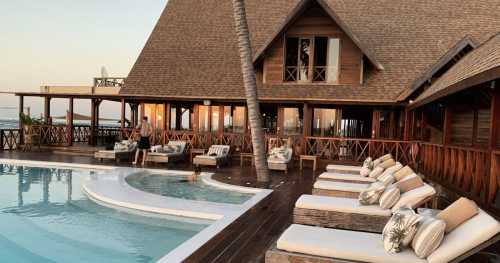
Imagine you have a favorite storybook about a magnificent, sprawling estate. The book describes beautiful mahogany libraries, crisp linen suits, polished silver tea sets, and endless green lawns where people play croquet in the afternoon. You love the story so much that you wish you could just step inside the pages and live there. For decades, the American luxury brand Ralph Lauren has been selling us the "clothing" version of that storybook. You could buy the suit, the tie, or the perfume, and take a tiny piece of that dream home with you. But in June 2026, Ralph Lauren has done something completely revolutionary. They are no longer just selling you the clothes from the storybook; they are inviting you to sleep in the castle, eat in the dining room, and live inside the dream. Through a massive, unprecedented expansion into luxury hospitality and experiential retail across the United States, Ralph Lauren is redefining what it means to be a modern luxury brand. Let us explore how a clothing company becomes a lifestyle empire, the psychology behind "experiential luxury," and why this brilliant American strategy is sending shockwaves through the European fashion houses.
The Milestone: Ralph Lauren has officially accelerated its luxury hospitality and experiential retail expansion in the US, blurring the lines between high fashion, fine dining, and luxury hotels to create a fully immersive brand ecosystem.
The Psychology of Selling a Dream
To understand why this business move is so genius, we first need to understand what luxury actually is. In the simplest terms, luxury is not about the physical materials of a product. A cotton polo shirt costs a few dollars to make. When a luxury brand sells it for hundreds of dollars, the customer is not paying for the cotton. They are paying for the feeling. They are paying for the status, the heritage, and the dream that the brand represents. For over fifty years, Ralph Lauren has been the undisputed king of selling the "American Dream." His brand represents a very specific, idealized version of American life: old-money East Coast elegance mixed with rugged Western ranch life. It is a world of vintage cars, leather armchairs, and effortless sophistication.
But in the modern digital age, just selling clothes is no longer enough. Young, wealthy consumers—particularly Millennials and Gen Z—do not just want to own luxury items; they want to experience them. They value memories and aesthetics over simply filling their closets. Ralph Lauren recognized this shift earlier and more profoundly than almost any other brand. They realized that if their customers love the "Ralph Lauren world," the ultimate luxury product is not a jacket, but the opportunity to physically inhabit that world. This realization has birthed their massive push into hospitality, transforming the brand from a fashion label into a comprehensive lifestyle architect.
The Hospitality Push: Sleeping in the Storybook
The crown jewel of this 2026 strategy is the brand's aggressive expansion into luxury hotels and private clubs. While they have dabbled in restaurants before, the new hospitality ventures are on a completely different scale. Imagine checking into a hotel where every single detail has been curated by the same designers who create the brand's runway collections. The linens are heavy and crisp, the wood paneling is dark and rich, the scent in the lobby is a custom Ralph Lauren home fragrance, and the staff are dressed in impeccable, tailored uniforms. This is not just a place to sleep; it is a three-dimensional movie set where the guest is the star.
By opening these luxury properties in key US markets—from the snowy, glamorous slopes of Aspen to the bustling, historic streets of Chicago and New York—Ralph Lauren is capturing a massive new revenue stream. Hospitality is a highly lucrative business, but more importantly, it is a marketing tool of unparalleled power. When a guest spends a weekend in a Ralph Lauren environment, they are immersed in the brand for forty-eight hours straight. They drink from Ralph Lauren crystal, sleep on Ralph Lauren mattresses, and eat off Ralph Lauren tableware. By the time they check out, their emotional connection to the brand is so deep that buying a $500 sweater feels like a natural, necessary extension of the life they just experienced.
Retail Theater: The brand's new US mega-flagship stores now feature fully operational, high-end coffee shops and cocktail lounges, encouraging shoppers to linger for hours and turning the act of shopping into a leisurely, social event.
Experiential Retail: The Death of the Traditional Store
This philosophy extends directly into their retail spaces. The traditional clothing store—where you walk in, look at racks of shirts, and walk out—is dying. In its place, Ralph Lauren is building "experiential retail" destinations. Their newest flagship stores in major American cities are designed to look and feel like grand, historic mansions. But they are not just showrooms; they are functioning hospitality venues. You can walk into the store, sit down at a beautiful mahogany bar, and order a perfectly crafted cocktail or a gourmet coffee. You can browse the clothing while sipping your drink, or simply sit and read a book in a leather wingback chair.
This strategy solves one of the biggest problems in modern retail: foot traffic. By offering high-quality food and beverages, the brand gives people a reason to visit the store even if they do not immediately need to buy a new suit. It turns the store into a social hub, a place to meet friends or take a business meeting. And because the environment is so beautiful and immersive, people naturally start looking at the clothes. The conversion rate—the percentage of visitors who actually buy something—skyrockets because the customer is relaxed, happy, and completely surrounded by the brand's aesthetic. It is a masterclass in subtle, environment-driven sales.
The Competitor Landscape: Outmaneuvering the Europeans
For decades, the global luxury market has been dominated by massive European conglomerates like LVMH (which owns Louis Vuitton and Dior) and Kering (which owns Gucci and Saint Laurent). These European houses have traditionally focused on leather goods, handbags, and high fashion. While they have also started experimenting with restaurants and cafes, Ralph Lauren's deep, structural integration into hospitality and home goods gives the American brand a unique competitive advantage.
European luxury is often about exclusivity, heritage, and a touch of intimidation. It is about making the customer feel like they are entering a very exclusive, very serious club. Ralph Lauren's version of luxury is entirely different. It is about warmth, hospitality, and approachability. It is the luxury of feeling completely at home. By leaning into this uniquely American style of welcoming luxury, Ralph Lauren is capturing a massive segment of the market that finds traditional European fashion houses too cold or intimidating. They are proving that true luxury is not about making people feel small; it is about making them feel incredibly comfortable and deeply cared for.
The Financial Engine: By diversifying into high-margin home goods and hospitality licensing, Ralph Lauren has insulated itself from the volatile, trend-driven cycles of the seasonal apparel market, ensuring steady, year-round revenue growth.
The Home Collection: The Ultimate Anchor
Tying the hospitality and retail strategies together is the brand's massively successful Home Collection. When a customer falls in love with the aesthetic of a Ralph Lauren hotel or a flagship store cafe, they inevitably want to bring that feeling into their own house. The Home Collection allows them to do exactly that. From heavy velvet curtains and plush towels to exquisite dining tables and leather-bound photo albums, the brand offers a way for consumers to "Ralph Lauren-ize" their own living spaces.
This creates a beautiful, self-sustaining ecosystem. A customer visits the hotel, loves the bedsheets, and buys them for their home. They visit the store, have a coffee, and buy a sweater. They see the home collection catalog, and buy a dining table. Every touchpoint reinforces the others. The brand is no longer just a label on a tag; it is the wallpaper of the customer's life. This deep integration makes it incredibly difficult for the customer to switch to a competitor, creating a level of brand loyalty that is the holy grail of the luxury industry.
The Future of American Luxury
As we look at the luxury landscape in the summer of 2026, Ralph Lauren's strategy stands as a brilliant testament to the power of vision. While other brands are chasing fleeting internet trends and relying on controversial celebrity endorsements, Ralph Lauren has stayed true to its core mission: selling a beautiful, timeless, and deeply comforting way of life. They have understood that in a world that is increasingly chaotic, digital, and disconnected, the ultimate luxury is a physical, beautiful, and welcoming space.
By letting us sleep inside the dream, eat at the table, and wear the clothes, Ralph Lauren has transcended the traditional boundaries of the fashion industry. They have built an empire not just on cotton and wool, but on the universal human desire for beauty, comfort, and belonging. The storybook is no longer just something we read; it is a place we can visit, and for a brand that started with a simple line of wide neckties, that is the most luxurious achievement of all.
Official Social Media Moment: Ralph Lauren officially celebrated the expansion of its immersive luxury retail and hospitality experiences, inviting customers to step fully into the brand's iconic world.
Step inside the dream. From our flagship Ralph’s Coffee shops to our immersive luxury retail spaces, we are redefining the American luxury experience. Come sit, stay, and experience the world of Ralph Lauren.
— Ralph Lauren (@RalphLauren) June 2026
Related Articles
The Basketball Monetization Matrix: How Financial Consolidation is Reshaping the Global Game in 2026
Sep 22, 2026
The Valuation Paradox: How September 2026 Exposed the Structural Fragility of the Basketball Economy
Sep 18, 2026
Comments (0)
No comments yet. Be the first to share your thoughts!
Want to join the discussion?
Please log in to post a comment.
Login NoworCreate an Account