
Spotify Launches Direct Full-Length Video Uploads to Challenge YouTube in Massive Streaming Shift

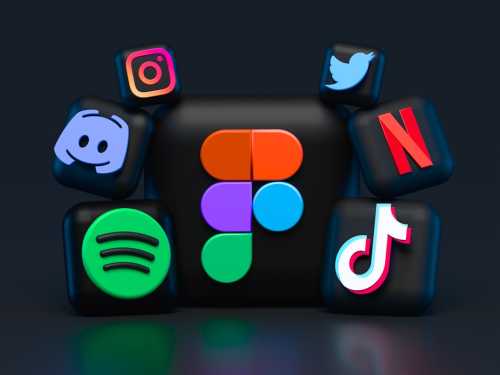
New York, USA — Imagine you have a giant, magical music box in your bedroom. For years, this music box could only do one thing: play beautiful songs. You could listen to your favorite singers, hear the strumming of guitars, and feel the beat of the drums, but you could never actually see the musicians playing. If you wanted to see them, you had to leave your room, walk over to a completely different magical box called a television or a computer, and watch them there. For a very long time, this was just how things worked. The world of audio and the world of video were kept in two separate, distinct boxes. But recently, something incredible has happened. The giant music box, known to all of us as Spotify, has decided to break down the wall between the two boxes. Spotify has announced that it is now allowing artists to upload full-length videos directly to its service, meaning you can finally watch your favorite musicians while you listen to them, all in the exact same place.
To understand why this is such a monumental shift, we have to take a little trip back in time. Think about how people used to watch music. Decades ago, there was a channel called MTV, which stood for Music Television. It was like a 24-hour parade of music videos. If you wanted to see a new song, you had to sit in front of the TV and wait for the video to play. Then, the internet arrived, and a new giant appeared called YouTube. YouTube became the ultimate home for music videos, live concerts, and behind-the-scenes footage. It was a place where you could see anything, but it was not primarily a place for listening to high-quality audio without interruptions. Spotify, on the other hand, was built for pure, uninterrupted listening. It was the ultimate library of sound. By keeping audio and video separate, fans had to constantly switch between apps, and artists had to work twice as hard to promote their music in two different digital worlds.
The Big Shift: Spotify is no longer just a library of sound. By introducing full-length video uploads, it is transforming into a complete visual and audio destination, blurring the lines between a music player and a video platform.
Now, Spotify is changing the rules of the game. The company is rolling out a new feature that allows artists to upload full-length music videos, live performance recordings, and even documentary-style behind-the-scenes footage directly to their Spotify profiles. This means that when you open the app to listen to a new album, you might suddenly see a high-quality video playing right there on the screen. You do not have to close the app, open a browser, and search for the video on another site. The entire experience is contained within the music player. For the user, this is a massive upgrade in convenience. It is like having a television and a radio combined into one perfect, seamless device. You get to enjoy the visual artistry of the musician while still benefiting from the incredible audio quality and playlist features that Spotify is famous for.
But this change is not just about making things easier for the listeners; it is a lifeline for the artists. For years, musicians have struggled to make a living from streaming audio alone. The pennies they earn from millions of audio streams are often not enough to pay the bills. Video, however, is a different story. Video content attracts advertisers, and it keeps users engaged on the platform for much longer periods. By allowing artists to upload videos, Spotify is opening up a brand-new revenue stream for them. Artists can now earn money from video ads, just like they do on YouTube. Furthermore, it gives them complete creative control over how their music is presented visually. They are not at the mercy of a third-party video platform's algorithm; they can showcase their art directly to their most dedicated fans on the very same platform where those fans go to listen to their songs.
Did You Know? This move by Spotify is part of a larger strategy to compete for advertising dollars. Video ads typically command much higher prices than audio ads, and by bringing video content to its platform, Spotify can charge more for advertising, ultimately increasing its overall revenue.
From a business perspective, this is a brilliant and necessary move for Spotify. The streaming wars are fierce, and every platform is fighting for your attention. YouTube has billions of users who watch music videos every single day. If Spotify can convince even a fraction of those users to watch their videos on Spotify instead, it will dramatically increase the time people spend on the app. In the world of technology, time spent on an app is the most valuable currency there is. The more time you spend on Spotify, the more likely you are to see an ad, the more likely you are to upgrade to a premium subscription, and the more data Spotify can gather about what you like. By becoming a video destination, Spotify is transforming itself from a simple utility into a comprehensive entertainment hub.
This also fundamentally changes how we discover new music. In the past, you might hear a song on the radio and then go look up the video to see who the artist was. Now, the discovery process is integrated. You might be scrolling through a playlist, see a captivating video thumbnail, click on it, and instantly fall in love with both the visual and the audio. This visual hook can be the difference between an artist becoming a massive star or remaining unknown. It gives independent artists a powerful new tool to stand out in a sea of millions of songs. A brilliant, creative music video uploaded directly to Spotify could go viral within the app, propelling an unknown singer to global fame overnight.
Of course, building a video platform is incredibly difficult and expensive. Video files are massive compared to audio files. Storing them requires enormous amounts of server space, and streaming them requires a robust, high-speed infrastructure that can handle millions of people watching high-definition video at the exact same time without the video buffering or freezing. Spotify has to invest billions of dollars into its technical backend to make sure this new feature works flawlessly. They also have to develop new tools for artists to upload, manage, and monetize their videos, creating a whole new ecosystem within the app. It is a massive technological undertaking, but one that Spotify believes is essential for its future survival and growth.
Looking ahead, this move signals the end of the era where audio and video are strictly separated. We are moving toward a future where all media is converged. You will not have to choose between an audio app and a video app; the apps of the future will do both, seamlessly blending sight and sound into a single, immersive experience. Spotify is simply leading the charge, proving that the boundaries between different types of media are disappearing. For the music industry, this is a renaissance. It brings back the golden age of the music video, but with the modern convenience of on-demand streaming. It empowers artists, delights fans, and creates a richer, more vibrant digital world for everyone to enjoy.
Official Alternative Resource
As a specific official social media post for this exact 2026 feature rollout is not currently live, we suggest reading the official, comprehensive details directly from the company's press center:
Read the Official Spotify Newsroom Update HereRelated Articles
The $82 Billion Pivot: How Streaming’s Consolidation Phase is Recreating the Cable Monopoly
Sep 23, 2026
The Digital Gold Rush: Algorithmic Consolidation and the End of the Unregulated Creator Economy
Sep 22, 2026![[The End of the Streaming Gold Rush: How Sports Rights, Churn, and Consolidation Are Rewiring Digital Media]](https://www.crimaz.com/assets/images/no-image.jpg)
Comments (0)
No comments yet. Be the first to share your thoughts!
Want to join the discussion?
Please log in to post a comment.
Login NoworCreate an Account