
Supreme and Nike Unveil 'Myco-Step': The First Fully Lab-Grown, Zero-Waste Sneaker Drop in New York City

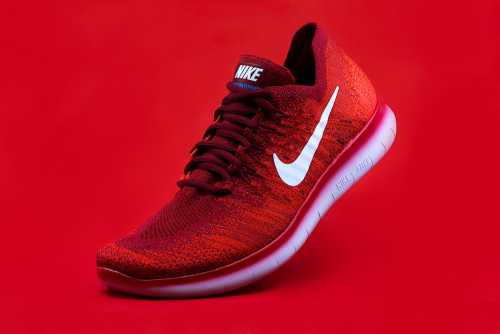
The American streetwear landscape experienced a monumental and environmentally transformative evolution on the morning of June 18, 2026, as Supreme and Nike officially unveiled the 'Myco-Step' collection at a massive, immersive pop-up experience in the heart of SoHo, Manhattan. This highly anticipated collaboration marks the first time in the history of hype culture that a major sneaker release has been constructed entirely from lab-grown mycelium leather and recycled ocean-bound plastics, completely eliminating the use of animal hides and virgin petroleum-based materials. For decades, the streetwear and sneaker industries have been heavily criticized for their massive environmental footprint, with traditional leather tanning and synthetic rubber production contributing significantly to global pollution and carbon emissions. The Myco-Step collection represents a definitive and aggressive pivot by two of the most influential brands in the world, proving that the highest echelons of streetwear hype can coexist with radical, uncompromising sustainability. The atmosphere outside the Lafayette Street pop-up was electric, with thousands of fans lining up not just to purchase a shoe, but to witness the dawn of a new era where the coveted 'drop' culture is fundamentally redefined by ecological responsibility and cutting-edge biotechnology.
The Science of Mycelium: Growing Shoes Instead of Manufacturing Them
To truly appreciate the magnitude of the Myco-Step release, one must understand the complex biological science that makes it possible. The upper of the sneaker is not made from traditional leather, nor is it a synthetic plastic alternative like polyurethane. Instead, it is grown from mycelium, the vast, underground root network of fungi. In a specialized, climate-controlled bio-facility in New Jersey, scientists feed agricultural waste to the mycelium, which rapidly grows into a dense, durable, and highly versatile mat. This mat is then compressed and treated using a proprietary, non-toxic tanning process developed jointly by Supreme's material scientists and Nike's innovation kitchen. The resulting material possesses the exact same tensile strength, breathability, and aging characteristics as premium calfskin leather, but it requires a fraction of the water and land to produce, and generates zero methane emissions. The sole of the sneaker is equally revolutionary, injection-molded from a blend of recycled ocean plastics and natural rubber tapped from sustainably managed forests. Every single component of the Myco-Step, from the organic cotton laces to the water-based, non-toxic adhesives, has been meticulously engineered to ensure that the shoe is 100% biodegradable at the end of its lifecycle. This level of material innovation transforms the sneaker from a mere consumer product into a triumph of modern biological engineering.
ELI5: How Do You Grow a Shoe Out of Mushrooms?
Imagine the hidden, root-like parts of a mushroom that live underground in the dirt. Scientists have figured out how to take these tiny roots and feed them leftover plant parts from farms. When they give the roots the right amount of warmth and moisture, they grow together really fast into a thick, strong mat. This mat can then be squished and treated so that it feels, looks, and acts exactly like the leather used for regular shoes. But instead of needing a cow and a lot of water to make the leather, they just grow it in a clean lab like baking a cake. It is like magic, but it is actually super-advanced biology!
The SoHo Pop-Up: An Immersive Experience in Eco-Hype
The physical rollout of the Myco-Step collection was designed to be as groundbreaking as the product itself. The SoHo pop-up was not a traditional retail store; it was an immersive, educational exhibition that guided consumers through the entire lifecycle of the shoe. Upon entering the space, fans walked through a dimly lit, atmospheric tunnel that simulated the underground environment of a mycelium bio-reactor, complete with ambient soundscapes and projected visuals of the fungal networks growing in real-time. The main retail floor featured the sneakers displayed not on traditional shelves, but inside transparent, climate-controlled terrariums that housed the actual living mycelium cultures used to create the materials. This visceral, visual connection between the raw biological material and the finished, highly coveted product was a masterstroke in experiential marketing. It forced the consumer to confront the reality of sustainable manufacturing, transforming the act of buying a hyped streetwear item into an educational journey. The pop-up also featured a 'Repair and Recycle' station, where customers could bring in any old Supreme or Nike footwear to be broken down and repurposed, reinforcing the brand's commitment to a circular economy. The event successfully shifted the narrative of streetwear drops from pure, mindless consumption to a more mindful, informed celebration of design and ecological stewardship.
Disrupting the Resale Market and the Economics of Sustainable Hype
The economic implications of the Myco-Step release are already sending shockwaves through the multi-billion-dollar streetwear resale market. Historically, the value of a hyped sneaker on platforms like StockX and GOAT is driven by artificial scarcity and the sheer cultural cachet of the brand. However, the Myco-Step introduces a new metric for value: verifiable sustainability. Because each pair of Myco-Step sneakers is embedded with a microscopic, scannable RFID thread, buyers can instantly verify the exact environmental impact of their purchase, including the carbon saved and the water conserved. This transparency is creating a new tier of 'eco-hype' collectors who are willing to pay a premium not just for the design, but for the garment's ethical provenance. Early data from the resale market indicates that the Myco-Step is commanding a thirty percent higher markup than traditional leather Supreme collaborations, suggesting that the modern streetwear consumer is deeply motivated by environmental values. Furthermore, the biodegradable nature of the shoe means that unsold inventory or heavily worn pairs do not end up in landfills; they can be industrially composted, completely eliminating the waste associated with traditional seasonal drops. This shift is forcing other major streetwear brands to urgently accelerate their own sustainable material research, knowing that the market's definition of 'cool' is rapidly expanding to include 'conscious.'
ELI5: Why Are People Paying More for Shoes That Are Good for the Earth?
When you buy a toy, you just care if it is fun. But when people buy expensive sneakers, they also care about the story behind them. In the past, the story was just about how rare the shoe was. Now, the story is also about how the shoe was made. If a shoe is made in a way that protects the oceans and doesn't hurt animals, it tells the world that the person wearing it cares about the planet. Because so many people want to show they care about the Earth, these special eco-friendly shoes become even more popular and valuable. It is a way of voting with your wallet to say, 'I like this brand because they are doing the right thing.'
As the sun set on the opening day of the SoHo pop-up, the consensus among the global fashion and streetwear press was unanimous: the Myco-Step collection is a watershed moment for the industry. Supreme and Nike have successfully proven that the relentless pursuit of hype and the urgent need for environmental sustainability are not mutually exclusive; rather, they can be powerfully combined to drive innovation. By leveraging their massive cultural influence, these two giants have effectively mandated a new standard for the entire streetwear ecosystem. The days of ignoring the environmental cost of fashion are over. The future of streetwear is biological, transparent, and deeply responsible. The Myco-Step is not just a shoe; it is a blueprint for the future of manufacturing, proving that the most coveted items in the world can be those that heal the planet rather than harm it. The streets of New York, and indeed the world, will never look at a sneaker drop the same way again.
Related Articles

The Hedge Fund on Cleats: Football's Regulatory Margin Call and the MCO Reckoning
Sep 17, 2026
The Gridiron's Structural Reset: Media Fragmentation, CTE Liabilities, and the Stadium Subsidy Trap
Sep 16, 2026
Comments (0)
No comments yet. Be the first to share your thoughts!
Want to join the discussion?
Please log in to post a comment.
Login NoworCreate an Account