
The 2026 Beauty Industry Fracture: How Regulatory Mandates and Algorithmic Diagnostics Are Rewiring the Prestige Economy

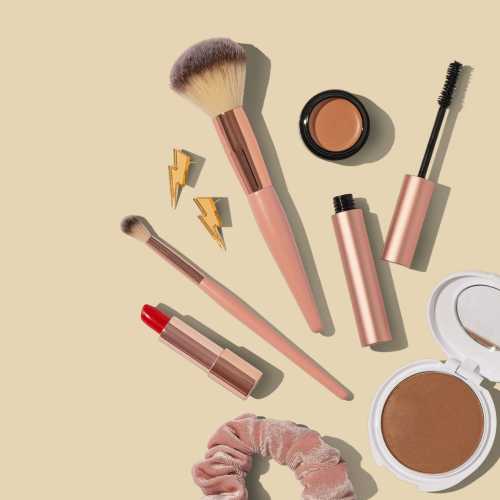
Managing a modern beauty brand is akin to navigating a high-frequency trading floor where the underlying asset is consumer trust, yet the regulatory exchange continuously rewrites the settlement rules in real time.
The September Regulatory Convergence
In September 2026, the global beauty industry reached a definitive inflection point as the FDA intensified enforcement of the Modernization of Cosmetics Regulation Act (MoCRA), mandating strict facility registrations and proposing new fragrance allergen labeling rules [[71]]. Concurrently, major conglomerates like L'Oréal reported robust H1 2026 earnings driven by strategic dermocosmetic acquisitions, while AI-driven skincare diagnostics and K-beauty viral trends continued to capture unprecedented market share [[20]].
The Algorithmic Extraction of Consumer Data
Mainstream coverage frequently celebrates the rise of AI skincare apps as a triumph of personalized dermatology, framing these tools as liberating forces for consumer education. However, this narrative obscures a systemic reality: the weaponization of biometric data to extract maximum margin from user vulnerability. As AI-powered skin analysis tools become mainstream, brands are no longer merely selling serums; they are harvesting first-party dermatological data to build proprietary consumer profiles. This creates a profound asymmetry where the user receives a generic product recommendation, while the conglomerate gains a permanent, monetizable map of the consumer's biological aging process, effectively transforming the bathroom mirror into a passive surveillance node for corporate research and development.
The Greenwashing Compliance Trap
Similarly, the aggressive crackdown on "clean beauty" marketing is often celebrated as a victory for environmental stewardship. Yet, the operational reality is that these mandates have devolved into a compliance trap that disproportionately crushes independent brands. While mega-conglomerates can absorb the costs of reformulating products and updating supply chain traceability to meet new state and EU transparency laws, indie founders lack the capital to navigate this bureaucratic labyrinth [[11]]. The unseen implication is not a cleaner industry, but a rapid consolidation of market power. Regulatory adherence is being weaponized as a competitive moat, forcing smaller, genuinely sustainable brands into distressed acquisitions by the very legacy houses they once sought to disrupt.
The K-Beauty Supply Chain Arbitrage
Furthermore, the explosive global dominance of K-beauty is fundamentally altering the traditional beauty supply chain. Viral products are driving massive retail expansion, with Americans spending an estimated $2 billion on these formulations annually [[55]]. However, this demand creates a severe geographic and economic arbitrage. Western legacy brands are increasingly bypassing traditional R&D cycles by directly acquiring or white-labeling successful Korean formulations, stripping the original innovators of long-term brand equity. This structural mimicry exports economic multipliers away from independent Korean laboratories, forcing a wave of consolidation where cultural innovation is rapidly commodified and repackaged by Western distribution monopolies.
The Innovation Defense Fallacy
Proponents of the current AI and regulatory landscape argue that these shifts represent a necessary market correction, providing consumers with safer, more effective products through rigorous scientific validation. They contend that MoCRA’s expanded FDA authority and the rise of algorithmic skin diagnostics ultimately democratize access to dermatological-grade care, bypassing the historical gatekeeping of elite clinical practices. While technically accurate regarding product safety, this perspective conflates regulatory compliance with genuine innovation. When compliance becomes the primary driver of research and development budgets, brands prioritize incremental, legally defensible tweaks over breakthrough scientific discovery, resulting in a homogenized market of safe but functionally stagnant products.
Echoes of the 2010s Clean Food Movement
To understand the current trajectory, one must examine the structural shifts following the "clean eating" food movement of the early 2010s. During that era, an influx of consumer demand for natural and chemical-free labels led to a massive oversaturation of loosely defined health claims. The lesson from that period is that transitional cultural movements, if left unregulated, are inevitably co-opted and homogenized by corporate capital. Just as the post-2010 landscape forced the FDA to crack down on deceptive natural food labeling, ultimately marginalizing small organic farms in favor of conglomerates that could afford the new compliance costs, the 2026 beauty regulatory squeeze will accelerate a similar extinction event for indie beauty brands.
The Democratization of K-Beauty Myth
A secondary counter-argument posits that the global proliferation of K-beauty perfectly offsets the stagnation of Western legacy brands, creating a net-positive, democratized environment for diverse skincare philosophies. Advocates for this view argue that digital platforms allow independent Korean creators to reach global audiences directly, dismantling the traditional dominance of Western beauty standards. Yet, this perspective ignores the macroeconomic drag of platform dependency and supply chain bottlenecks. These independent creators remain entirely subject to arbitrary algorithmic changes and the predatory acquisition tactics of major conglomerates, rendering this democratization largely illusory and economically precarious for the vast majority of participants.
Strategic Posture for the Micro-Economy
For local businesses and independent beauty professionals, navigating this landscape requires immediate strategic recalibration. Indie brands must pivot toward hyper-specialized, community-driven distribution models, prioritizing direct-to-consumer relationships that do not rely on the exorbitant costs of traditional retail shelf space. Citizens and consumers should treat clean and AI-recommended beauty claims with rigorous skepticism, demanding granular, third-party verified supply chain data before committing capital. Furthermore, local aesthetic clinics must invest in proprietary, human-led diagnostic services that offer verifiable, personalized care which mass-market AI applications cannot authentically replicate.
The 2027 Bifurcation Horizon
Looking six months ahead, the beauty landscape will undergo definitive structural bifurcation. By early 2027, expect the first major class-action lawsuits targeting legacy brands for MoCRA non-compliance and deceptive AI-driven efficacy claims, prompting stringent, platform-level enforcement of ingredient transparency. Simultaneously, the market will split into two distinct tiers: a hyper-exclusive, clinically verified dermocosmetic tier reserved for high-net-worth consumers, and a mass-market tier dominated by AI-generated virtual influencers and synthetic, white-labeled formulations. The era of frictionless, organically driven indie beauty growth is concluding, replaced by a landscape defined by strict regulatory compliance, verifiable provenance, and a stark valuation gap between authentic scientific innovation and algorithmic trend replication.
Related Articles

The Valuation Correction: How Regulatory Squeeze and Resale Dominance Are Rewiring Streetwear
Sep 14, 2026
The Liquidity Crunch: How Regulatory Friction and Subcultural Dilution Are Rewiring Streetwear Economics
Sep 14, 2026
Comments (0)
No comments yet. Be the first to share your thoughts!
Want to join the discussion?
Please log in to post a comment.
Login NoworCreate an Account