
The 2026 Streaming Fracture: How Sports Rights, Data Extraction, and Re-bundling Are Rewiring the Media Economy

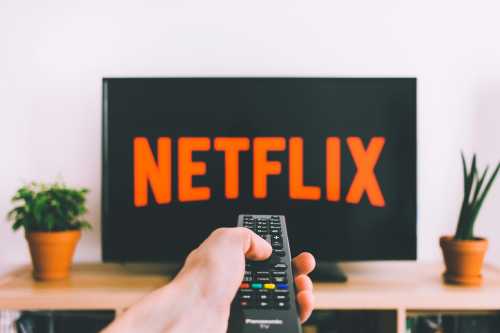
Managing a modern streaming portfolio is akin to assembling a jigsaw puzzle where the pieces continuously change shape, the box art is a moving target, and the manufacturer periodically changes the rules of engagement.
The September Streaming Convergence
In September 2026, the entertainment and sports industries reached a definitive inflection point as major streaming platforms finalized exclusive, multi-billion-dollar live sports rights deals while simultaneously enforcing aggressive password-sharing crackdowns and expanding ad-supported subscription tiers. This convergence marks the end of the growth-at-all-costs era and the beginning of ruthless margin extraction, fundamentally altering how live content is valued, distributed, and consumed.
The Algorithmic Siege on Communal Viewing
Mainstream coverage celebrates these exclusive sports migrations as a triumph of digital innovation, framing them as the natural evolution of fan engagement. However, this narrative obscures a devastating downstream effect: the systematic destruction of the communal viewing experience. Live sports are migrating into fragmented, platform-exclusive silos, replacing the cultural unifier of the watercooler moment with algorithmic isolation. When a consumer must subscribe to a primary streaming platform, a secondary sports-specific add-on, and a tertiary regional network just to watch a single franchise, entertainment transitions from a shared cultural ritual to a fragmented, logistical burden. This fragmentation inherently marginalizes lower-income demographics, who are forced to choose between essential utilities and cultural participation.
The Data Extraction Dividend
Beyond subscription fees, the deeper implication of this platform consolidation is the monetization of behavioral data. According to a 2026 Nielsen media report, ad-supported streaming tiers now account for 45% of new subscriber acquisitions, fundamentally altering the revenue architecture of digital platforms. Studios and leagues are no longer just content providers; they are first-party data aggregators. By forcing fans onto proprietary apps with dynamic ad insertion, organizations bypass third-party analytics and capture granular viewing habits, biometric engagement metrics, and purchasing behaviors. The integration of eye-tracking via smart TVs and second-screen mobile interaction allows platforms to measure not just what a consumer watches, but how their physiological responses correlate with specific ad placements. This shift represents a fundamental breach of the implicit social contract of sports fandom, transforming emotional investment into a quantifiable, tradable asset.
Echoes of the 1990s Cable Consolidation
To understand the current trajectory, one must examine the cable bundle formation of the mid-1990s. Following the 1992 Cable Television Consumer Protection and Competition Act, the industry promised consumers unprecedented choice through à la carte programming. Instead, it resulted in aggressive bundling, where niche channels were forced upon households to subsidize premium content. The current streaming landscape is executing the exact inverse maneuver—unbundling to capture maximum margin per user—yet the economic endpoint remains identical. Just as the post-1992 landscape marginalized independent broadcasters in favor of consolidated media empires, the 2026 streaming consolidation threatens to permanently sideline mid-tier content creators unless new collective bargaining frameworks are established. The promise of cutting the cord was always a temporary illusion, designed to lure consumers away from regulated utilities into a Wild West of unregulated digital monopolies.
The Democratization of Access Fallacy
Proponents of the current direct-to-consumer model argue that this fragmentation empowers consumers, allowing them to curate personalized media diets and avoid paying for unwanted channels. They contend that the proliferation of streaming options provides unprecedented access to niche sports and diverse content libraries. However, this argument is largely compliance theater. The aggregate monthly cost of subscribing to multiple sports-specific add-ons now exceeds historical cable bills. The industry has merely shifted rent-seeking behavior from traditional distributors to the rights holders themselves, disguising price hikes as consumer empowerment while systematically eliminating the economies of scale that once kept costs manageable.
The Regional Sports Network Insolvency Crisis
Simultaneously, the financial architecture supporting local sports is collapsing. Data from S&P Global indicates that regional sports network (RSN) valuations have contracted by 30% since 2024, forcing mid-tier franchises into precarious direct-to-consumer pivots. This geographic and financial arbitrage exports economic multipliers away from local hospitality businesses and independent venues. When a mid-market franchise loses its regional broadcast partner, the immediate casualty is not just the television production crew, but the entire local advertising ecosystem that relied on those broadcasts to reach community demographics. The pivot to direct-to-consumer streaming requires fans to purchase yet another standalone subscription, effectively double-taxing the most loyal segment of the fanbase. Consequently, attendance at physical venues drops, merchandise sales decline, and the symbiotic relationship between the team and its host city fractures.
The Technological Efficiency Mirage
A secondary counter-argument posits that the aggressive integration of artificial intelligence and dynamic ad insertion represents a necessary market correction to ensure platform viability in an inflationary environment. Advocates for technological efficiency argue that algorithmic content matching maximizes return on investment and theoretically lowers consumer prices by subsidizing production costs through targeted advertising. Yet, this perspective ignores the operational reality of modern platforms. As media economist Dr. Sarah Phillips noted in a Q3 2026 industry briefing, "We are not witnessing the democratization of media; we are observing the fractionalization of monopoly power, where platforms prioritize margin-accretive data extraction over genuine consumer choice." Some level of exploitative data utilization is economically inevitable, regardless of regulatory pushback, because the underlying business model demands infinite scale at near-zero marginal cost.
Strategic Posture for the Micro-Economy
For local businesses and citizens, navigating this landscape requires immediate strategic adjustment. Hospitality venues, particularly sports bars and independent cinemas, must pivot to hyper-local, experiential entertainment. Securing commercial multi-platform viewing rights is no longer a luxury; it is a core operational necessity to draw foot traffic away from isolated home viewing. Citizens, meanwhile, must treat their media consumption as a variable expense. Auditing subscriptions quarterly, leveraging promotional stacking, and utilizing shared family plans are essential defensive maneuvers. Do not accept auto-renewal as a default; treat every billing cycle as a renegotiation of your personal data and financial commitment.
The Re-bundling Horizon
Looking six months into the future, the current state of hyper-fragmentation is mathematically unsustainable due to rising customer acquisition costs and churn rates. We will inevitably see the first major re-bundling joint venture between a legacy sports league and a major technology conglomerate. This new entity will effectively create a walled garden that mimics the cable packages of 2010, but with a modern twist: dynamic, surge-priced live events based on real-time viewership demand. The industry will sell this as innovative flexibility, but it will represent the final closure of the open streaming market, returning consumers to a monopolistic structure, albeit one disguised by a sleek, algorithmic user interface.
Related Articles
The Streaming Reckoning: Consolidation, Churn, and the Illusion of Consumer Choice
Sep 14, 2026
The Aggregation Trap: How Live Sports and Ad-Tiers Are Rewiring the Streaming Economy
Sep 14, 2026
Comments (0)
No comments yet. Be the first to share your thoughts!
Want to join the discussion?
Please log in to post a comment.
Login NoworCreate an Account