
The Algorithmic Drop is Dead: How Wholesale Saturation and Guerrilla Tailoring are Rezoning the $218B Streetwear Economy

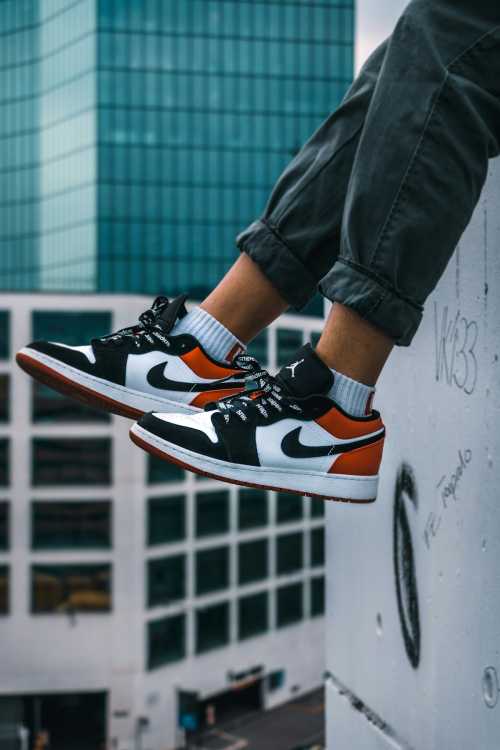
When a city council rezones a booming, chaotic nightlife district for high-density luxury residential, the dive bars do not merely raise the cover charge to survive; they are systematically replaced by reservation-only tasting menus that require a minimum spend. The global streetwear economy, currently valued at an estimated $218.3 billion in 2026, is undergoing its own structural rezoning www.mordorintelligence.com . On August 13, Ye’s YEEZY footwear officially breached the direct-to-consumer firewall, launching in broad wholesale distribution at brick-and-mortar giants like JD Sports and Finish Line sneakernews.com . Concurrently, market sentiment polls confirm that London-based guerrilla label Corteiz has officially dethroned Supreme as the most popular streetwear brand of the year www.instagram.com , while runway forecasts dictate a mass migration away from graphic drop-culture toward "elevated basics" and exaggerated tailoring www.instagram.com .
The Collapse of the Artificial Scarcity Algorithm
The mainstream sneaker press interprets the YEEZY wholesale expansion as a simple inventory clearance strategy engineered by adidas to liquidate dead stock. The unseen implication is the total collapse of the artificial scarcity algorithm that has governed streetwear pricing and cultural relevance for a decade. By flooding brick-and-mortar partners, the brand is intentionally destroying its own secondary market premium. For years, the streetwear business model relied on a manufactured deficit: drop limited inventory, let automated bots and professional resellers create a digital frenzy, and use the secondary market premium as free marketing to sell high-margin core apparel. When a marquee silhouette is permanently stocked at a suburban mall, the hype-cycle is broken. The power dynamic shifts instantly from the reseller back to the retailer, repricing the entire asset class of hyped footwear from a speculative commodity back into a standard consumer durable.
The Secondary Market's Institutionalization
This primary market saturation is forcing the secondary market to mature from a peer-to-peer bazaar into a highly regulated financial exchange. According to primary research from SNS Insider, the streetwear resale platforms segment is expected to register the highest compound annual growth rate (CAGR) from 2026 to 2035 www.snsinsider.com . McKinsey’s State of Fashion 2026 report corroborates this structural shift, noting that "the resale market—forecast to grow up to three times faster than the firsthand market through 2027—affords luxury players a way to" capture recurring revenue from the same physical asset www.mckinsey.com . The unseen implication for local boutiques is that they can no longer compete on exclusive access; they must compete on authentication and liquidity. The sneaker is no longer a piece of apparel; it is a bearer bond, and the resale platforms are acting as the clearinghouses, extracting transaction fees on every transfer of ownership while managing the floating supply of deadstock.
The Margin Compression of the Graphic Tee
The third structural shift is the quiet death of the graphic drop. Streetwear trends for Winter 2026 are aggressively pivoting toward "elevated basics," better fit, and repeat wear, replacing the low-cost, high-hype graphic tee with high-margin, tailored staples basicobranco.com . The unseen implication is a massive capital expenditure shift for streetwear brands. Printing a logo on a blank cotton tee requires minimal supply chain infrastructure; developing an exaggerated, tailored silhouette requires pattern-makers, premium textile sourcing, and complex grading. Brands like Corteiz are surviving this transition by utilizing hyper-localized, guerrilla marketing—such as trading high-value outerwear for their own pieces in public pop-ups—to offset the higher unit economics of elevated garments without spending on digital ads www.instagram.com . The brands that cannot afford the R&D for tailored streetwear will be squeezed out, leaving the market dominated by legacy fashion houses that already possess the infrastructure for high-end garment construction.
Echoes of the 2008 BAPE Bubble Burst
The closest historical analogue to this 2026 rezoning is the collapse of the BAPE (A Bathing Ape) monopoly in the late 2000s. When BAPE transitioned from hyper-exclusive Tokyo drops to broad global licensing and mall-level distribution under the I.T group, the secondary market premium evaporated overnight, and the brand lost its cultural supremacy to Supreme. The lesson from 2008 is that once a streetwear brand crosses the threshold from subcultural artifact to mass-market commodity, it cannot reverse the polarity. Ye’s wholesale move is a deliberate acceptance of this fate: he is cashing out the cultural equity for immediate, massive wholesale volume, fully aware that the brand will never again command a 400 percent secondary market premium. The brand is choosing liquidity over legacy.
The Operator's Playbook
For local streetwear boutiques: immediately liquidate your hyped footwear inventory before the YEEZY wholesale flood depresses the secondary market floor, and reallocate that capital into high-margin, exclusive tailored collaborations that cannot be purchased at a mall. For citizens and consumers: abandon the bot-infested drop model entirely; the true alpha in the 2026 streetwear economy is found in the secondary market's "deadstock" clearance bins, where over-saturated wholesale releases are trading below retail, allowing you to acquire marquee silhouettes at a discount. For investors: shift your focus away from primary drop platforms and look toward the B2B authentication and logistics infrastructure that powers the secondary market's clearinghouses.
The Six-Month Horizon
In six months, expect the first major streetwear resale platform to announce a "market maker" program, effectively guaranteeing the buy-back of specific hyped silhouettes at a fixed floor price to stabilize the collapsing secondary market. Concurrently, expect Supreme to announce a massive strategic pivot away from its traditional Thursday drop model, adopting a seasonal, lookbook-driven wholesale strategy to combat the guerrilla dominance of Corteiz. The era of the algorithmic drop is officially over; the next cycle of streetwear will be governed by the traditional, high-margin rules of luxury fashion distribution, where access is dictated by spend, not by speed.
Related Articles
The Liquidation of Synthetic Scarcity: How Streetwear Conglomerates are Weaponizing the Secondary Market
Aug 13, 2026
Off-White's L/AB Gambit and the Great Streetwear Price Descent: Who Owns the Middle Now?
Aug 12, 2026
Comments (0)
No comments yet. Be the first to share your thoughts!
Want to join the discussion?
Please log in to post a comment.
Login NoworCreate an Account