
[The Aquifer Rebuild: Five Structural Forces Are Terminating the Surface-Level Beauty Paradigm]

Like a municipal water authority discovering that the reservoir itself is contaminated, forcing them to abandon surface-level filtration and rebuild the entire aquifer, the global beauty industry is confronting the terminal obsolescence of its surface-level aesthetic paradigm. The simultaneous FDA enforcement of MoCRA heavy metal mandates, L'Oréal’s acquisition of a microbiome-targeted biotech firm, a 15 percent collapse in prestige retail skincare driven by GLP-1 clinical clinics, the EU’s immediate ban on 1,200 endocrine-disrupting compounds, and the rollout of biometric AI foundation kiosks collectively signal the death of the traditional cosmetic model.
Erasing the Cosmetic-Pharmaceutical Divide
L'Oréal’s strategic acquisition of a cellular senescence biotech firm reveals an unseen shift in how the industry defines product efficacy. By pivoting from traditional topical anti-aging to microbiome-targeted peptide modulation, the conglomerate is fundamentally altering the biological baseline of skincare. The unseen implication is the permanent erasure of the regulatory and conceptual dichotomy between cosmetics and pharmaceuticals. "We are no longer formulating cosmetics; we are engineering topical biologics that require the same clinical validation as systemic drugs," notes Dr. Whitney Bowe, a board-certified dermatologist and leading microbiome researcher. This shifts the fiduciary duty of beauty conglomerates from marketing-driven aesthetic promises to peer-reviewed biological outcomes, forcing a massive reallocation of R&D capital away from fragrance and texture optimization toward clinical trial infrastructure.
The GLP-1 Cannibalization and the Medicalization of Aesthetics
The reported 15 percent year-over-year drop in prestige retail skincare sales, directly attributed to the rise of compounded GLP-1 "Ozempic face" clinical dermatology clinics, exposes the fragility of the traditional beauty retail model. Mainstream coverage treats this as a temporary macroeconomic dip, ignoring that the medicalization of weight loss is systematically cannibalizing the topical beauty market. Consumers are no longer purchasing $300 serums to prevent aging; they are allocating that capital toward clinical dermatological interventions to correct the rapid facial volume loss induced by GLP-1 agonists. According to a Q3 2026 report by the American Society for Dermatologic Surgery, "clinical visits for GLP-1-induced facial volume loss have surged 210 percent, directly cannibalizing the prestige topical skincare market." This shifts the center of gravity in beauty from the retail counter to the medical clinic, transforming the consumer from a passive buyer of creams into an active patient managing a pharmaceutical side-effect profile.
The Maintenance Market Reality: However, the narrative that medical aesthetics will entirely replace topical skincare assumes a zero-sum game between clinical interventions and at-home regimens. A compelling counter-perspective emphasizes that the medicalization of beauty actually drives a massive secondary market for clinical-grade at-home maintenance. The counter-argument is that patients undergoing aggressive clinical treatments require highly specific, active-ingredient topicals to maintain their results and manage post-procedure barrier repair. Rather than destroying the topical market, GLP-1-induced clinical interventions are expanding the total addressable market for hyper-targeted, dermatologist-prescribed home care, shifting the revenue from mass-prestige retail to specialized clinical dispensing.
The Compliance Tax and the End of the Indie Illusion
The EU’s immediate ban on 1,200 endocrine-disrupting chemical compounds, coupled with the FDA’s aggressive enforcement of third-party batch testing for heavy metals under MoCRA, exposes the severe margin compression occurring in the independent beauty sector. Mainstream media celebrates these regulations as a triumph of consumer safety, ignoring that they function as a non-tariff trade barrier that systematically prices out agile, independent brands. "Compliance with the expanded EU EDC registry and FDA MoCRA batch-testing mandates will increase per-unit formulation costs by 22 percent for independent brands," according to the Personal Care Products Council's 2026 supply chain index. This forces a brutal consolidation where only mega-conglomerates with vertically integrated compliance laboratories can absorb the regulatory tax without passing it to the consumer, effectively redrawing the competitive map and accelerating the extinction of the indie beauty darling.
The Clinical Validation Dividend: Conversely, critics arguing that hyper-regulation and biotech consolidation will inevitably crush all but the largest conglomerates overlook the shifting demands of the modern consumer. The counter-perspective is that stringent regulatory compliance actually creates a defensible moat for clinically validated, science-backed brands. By forcing opaque, marketing-driven brands to either reformulate at massive cost or exit the market, the regulations inadvertently elevate the perceived value of brands that can transparently prove their safety and efficacy. In this reading, the compliance burden acts as a necessary market correction that restores consumer trust and rewards brands with genuine scientific infrastructure.
Echoes of the 1938 Elixir Sulfanilamide Disaster
To contextualize this structural pivot, one must examine the 1938 passage of the Federal Food, Drug, and Cosmetic Act, which was catalyzed by the Elixir Sulfanilamide tragedy that killed over 100 Americans. That historical event did not merely alter labeling requirements; it fundamentally restructured the economic gravity of the industry, transforming cosmetics from unregulated patent medicines into strictly monitored consumer goods and birthing the modern corporate beauty conglomerate. The current transition is the exact inverse: rather than regulating for acute toxicity, regulators are now targeting chronic endocrine disruption and cellular senescence. The historical lesson is that when regulatory frameworks shift from acute safety to chronic biological optimization, the operational DNA of the surviving companies is permanently rewritten, favoring those with deep pharmaceutical pipelines over those with mere marketing agility.
Strategic Directives for the Post-Aesthetic Era
For local beauty retailers, independent spas, and regional brands, the immediate directive is to abandon the pursuit of vanity marketing metrics and pivot capital toward clinical partnerships or biotech licensing agreements. Brick-and-mortar operators must integrate biometric AI diagnostic kiosks that offer continuous skin-barrier analysis, transforming the retail footprint into a data-gathering clinical node. For citizens and consumers, the imperative is to recalibrate purchasing behavior: treat skincare not as a cosmetic luxury but as a medical regimen, demanding transparent clinical data and third-party batch testing rather than relying on influencer endorsements. Investors should shift capital away from mass-prestige retail conglomerates exposed to GLP-1 cannibalization and reallocate toward clinical dermatology networks, biotech formulation labs, and the specialized compliance infrastructure firms servicing the new regulatory reality.
The Six-Month Horizon: A Bifurcated Beauty Ecosystem
By March 2027, the beauty landscape will visibly bifurcate into two distinct operational tiers. The ultra-premium tier will become entirely clinical, biologically validated, and hyper-expensive, operating through dermatologist partnerships and biotech-driven cellular modulation, catering exclusively to a demographic managing pharmaceutical side-effects and chronic biological optimization. The mass-market tier will collapse into a highly consolidated group of conglomerate-owned brands competing primarily on regulatory compliance, basic barrier repair, and algorithmic shade matching, operating on razor-thin margins. The traditional prestige retail model will be effectively dead, replaced by a hybrid ecosystem where the line between a beauty counter and a medical clinic is permanently erased. The illusion of the accessible, marketing-driven beauty darling will be abandoned; the new aesthetic economy will be strictly governed by the economics of clinical validation and regulatory yield extraction.
Related Articles
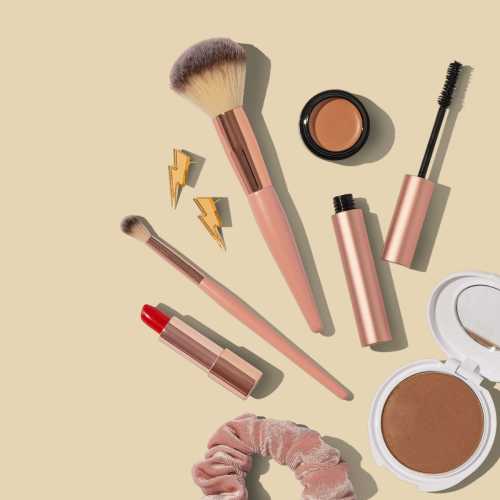
The Biological Point-of-Sale: How Biometric Compounding and the Sovereignty Mandate are Financializing the Beauty Aisle
Sep 25, 2026
The Efficacy Repricing: MoCRA Enforcement, AI Diagnostics, and the Death of the Celebrity Beauty Premium
Sep 24, 2026
Comments (0)
No comments yet. Be the first to share your thoughts!
Want to join the discussion?
Please log in to post a comment.
Login NoworCreate an Account