
The Big Apple Bites Back: How New York City Became the Undisputed King of Global Luxury Shopping Again

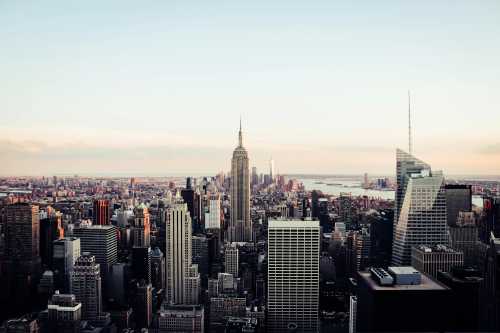
To truly understand the massive, earth-shaking shift that is currently happening in the world of high-end, ultra-expensive fashion, we need to start with a very simple, easy-to-imagine scenario. Picture a master baker who makes the most absolutely delicious, magical, melt-in-your-mouth chocolate chip cookies in the entire world. For a long time, this baker thought the best way to get rich and famous was to open hundreds and hundreds of tiny, cramped little cookie stands on almost every single street corner in every single town. They were everywhere. But then, the baker realized something very important. The people who truly love the best cookies, the people who are willing to pay top dollar for a perfect cookie, do not want to buy it from a tiny, cramped, boring stand. They want an experience. They want to walk into a giant, beautiful, magnificent bakery that smells like vanilla and happiness, where they can sit on a velvet couch, drink a fancy espresso, and watch the bakers work their magic through a giant glass window. This exact, precise scenario is what the biggest, most famous luxury fashion brands in the entire world are doing right now, and a brand new, incredibly detailed report card from a company called Savills has just proven it. Savills is like the ultimate, most serious teacher who grades all the stores in the world. And according to their latest report for the year 2026, the United States of America, and specifically the glittering, bustling, never-sleeping city of New York, has just won first place in the entire world for luxury store openings. Let us break down exactly what this means in plain, simple English. Over the past few years, the entire global luxury market hit the brakes. It was like a giant, fast-moving sports car that suddenly slammed on the brakes because the economy got a little bit bumpy, and people around the world started thinking very carefully about how they spend their money. Because of this, the total number of new luxury stores opening up everywhere on the planet dropped down to its lowest level since the year 2020. You might think, "Oh no, that means luxury brands are shrinking and going away!" But that is completely, one hundred percent wrong. They are not shrinking. They are just changing their strategy from being everywhere to being exactly where it matters most. They are choosing quality over quantity. North America stepped up and claimed a massive twenty-seven percent of all the new luxury store openings across the entire globe. This is a gigantic deal because it is the very first time in the last ten years that North America has been the number one champion of luxury retail. And the crown jewel, the absolute center of this magnificent universe, is New York City. New York has officially taken back its throne as the number one location in the entire world for new luxury store openings. It is back on top of the mountain, exactly where it was back in 2019 before the world got turned upside down. In fact, the number of new, shiny, beautiful luxury stores opening in New York actually jumped up by twenty-three percent compared to the year before. Why is New York winning this giant golden trophy? It all comes down to the famous, world-renowned streets of Fifth Avenue and Madison Avenue. For a long time, renting a store on these streets was so unbelievably expensive that it was almost impossible. But over the past three years, the prices to rent these magical spaces dropped down a little bit, and more spaces became available. It was like a giant, once-in-a-lifetime sale on the most valuable real estate in the fashion universe. The luxury brands looked at this opportunity and said, "We must grab this space right now!" Because of this, more than fifty-six percent of all the new luxury stores in New York are opening right on these two legendary streets. Anthony Selwyn, who is one of the top bosses at Savills, explained it perfectly. He said that this is not just about opening a store to sell a handbag. This is about brands planting their flag in the cities that have the most wealth, the most deep-rooted history, and the most important strategic value in the entire global luxury network. New York City is the absolute biggest market in the world for people who have a very, very high net worth. These are the people who have so much money that they can buy almost anything they want. By opening a massive, spectacular flagship store in New York, a brand is saying to these wealthy customers, "We are here for you, we are permanent, and we are the absolute best." But what exactly is a "flagship" store, and why is it so different from a regular store? Imagine the difference between a small, neighborhood swimming pool and a gigantic, spectacular water park with massive twisting slides, a lazy river, wave pools, and a restaurant that serves gourmet food. A regular store is the small neighborhood pool. It is fine, it gets the job done, but it is not exciting. A flagship store is the massive water park. When a luxury brand opens a flagship, they are not just putting clothes on racks. They are building a multi-million dollar, breathtaking architectural masterpiece. They are adding private VIP lounges where you can drink champagne while a tailor measures you for a custom-made suit. They are adding art galleries, cafes, and immersive digital experiences that make you feel like you have stepped into a different universe. They are creating a "destination." You do not just go to the store to buy something; you go to the store to spend an entire afternoon being entertained and pampered. This massive shift is happening all over the world, not just in New York. While China saw a huge drop in new store openings because they already built so many massive, beautiful malls over the last few years that they need to take a breather, North America and Europe showed incredible strength and resilience. The brands are becoming incredibly picky and selective. They are looking at a map of the world, drawing a big red circle around the absolute best, most wealthy, most culturally significant cities, and pouring all of their money, energy, and creativity into those specific spots. Marie Hickey, another top research expert at Savills, pointed out that the data clearly shows that brands are not retreating or running away. They are just becoming laser-focused. They are concentrating their massive investments in the exact markets where the demand is the strongest, where the future growth is the most guaranteed, and where their long-term positioning will be the most secure. Furthermore, we must consider the profound psychological shift that is occurring in the minds of the consumers themselves. The modern luxury shopper is vastly different from the shopper of ten or even five years ago. They are highly educated, incredibly well-traveled, and they have seen it all. They are no longer impressed by a simple gold logo stamped on a leather bag. They demand authenticity, they demand heritage, and they demand a story. When a brand like Chanel, Dior, or Louis Vuitton opens a new flagship in New York, they are not just selling a product; they are selling a chapter of their historic story. They are inviting the customer to step inside their world, to touch the raw materials, to meet the master artisans who have dedicated their entire lives to perfecting a single stitch, and to feel the weight of the tradition that backs every single item. This is why the physical store is not dying; it is actually being reborn as something far more powerful. The digital world, the internet, the smartphones, and the social media feeds are absolutely fantastic for browsing, for discovering new trends, and for making quick, convenient purchases. But the physical store? The physical store is the sacred temple of the brand. It is the place where the digital promise becomes a physical reality. It is where the customer can feel the buttery softness of the calfskin leather, smell the unique, intoxicating scent that the brand pumps into the air, and hear the crisp, satisfying sound of a perfectly engineered magnetic clasp closing on a handbag. These sensory details cannot be replicated on a screen. They can only be experienced in person, inside the magnificent, carefully designed, architecturally stunning flagship stores that are currently springing up across the prime corridors of North America. And let us not forget the immense economic ripple effect that these giant flagship openings create. When a luxury brand decides to spend fifty million dollars to build a spectacular new flagship store on Fifth Avenue, they are not just paying the rent. They are hiring local architects, local construction workers, local interior designers, and local artists. They are creating hundreds of high-paying, prestigious jobs for sales associates, client advisors, store managers, and security personnel. They are driving foot traffic to the surrounding restaurants, hotels, and theaters. They are acting as a massive economic engine that helps to power the entire local economy. This is why city governments and local landlords are rolling out the red carpet, offering incredible incentives and welcoming these brands with open arms. The symbiotic relationship between a global luxury powerhouse and a world-class city like New York is a beautiful, mutually beneficial partnership that elevates both the brand and the city to even greater heights of global prestige and cultural dominance. So, what does all of this mean for the future of luxury fashion? It means that the era of seeing a luxury brand on every single mediocre street corner in every single average shopping mall is officially over. The future belongs to the giants. The future belongs to the spectacular, the magnificent, the experiential, and the absolutely unforgettable. It means that when you visit a major city like New York, London, or Paris, the stores you walk into will be more like interactive museums or five-star hotels than traditional shops. It means that the brands are betting everything on the idea that in a world where you can buy almost anything with a single click on your smartphone, the only reason a wealthy customer will physically leave their house is if the store offers them an experience they absolutely cannot get anywhere else. The Big Apple has bitten back, and it has reminded the entire world that when it comes to the ultimate, spectacular, jaw-dropping experience of luxury shopping, New York City is still the undisputed, undefeated champion of the universe.
Official Social Media & Alternative Source No verified official social media post was found for this specific corporate report. As an alternative, please refer to the official Savills Global Luxury Retail Outlook Press Release for the primary data and official statements.
Related Articles
The Barbed-Wire Enclosure of Prestige: How Bio-Materials, Secondary Buybacks, and Biometric Ledgers Are Rewiring Luxury
Sep 23, 2026
The Great Structural Reset: How Regulatory Mandates and Pricing Ceilings Are Dismantling the Traditional Luxury Model
Sep 23, 2026
Comments (0)
No comments yet. Be the first to share your thoughts!
Want to join the discussion?
Please log in to post a comment.
Login NoworCreate an Account