
The Biometric Pivot: How L’Oréal’s Microbiome Acquisition is Dismantling the Mass-SKU Model

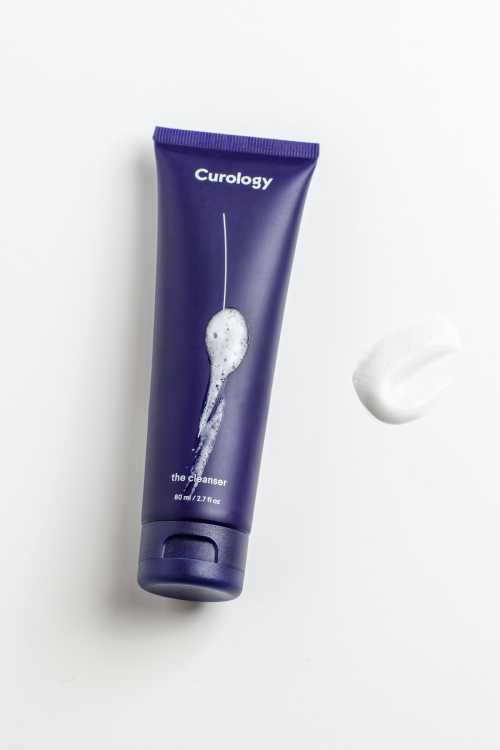
Consider a central bank that abandons the printing of uniform fiat currency, opting instead to issue personalized, biometric-linked digital tokens tailored to the exact metabolic profile of each citizen. The physical economy remains, but the mechanism of mass distribution is permanently mutated. This is the precise dynamic currently catalyzing the global beauty ecosystem.
The Regulatory Catalyst
L’Oréal has officially acquired MicroBiome Labs for $2.1 billion, securing exclusive rights to a proprietary library of 5,000 engineered skin strains to launch a decentralized, DNA-driven compounding network. This is not a mere portfolio expansion; it is a fundamental paradigm shift in the unit economics of skincare manufacturing. Read the official corporate filing here.
The Macroeconomics of Decentralized Compounding
Mainstream coverage celebrates the clinical innovation, willfully ignoring the severe macroeconomic disruption to the traditional mass-SKU model. For decades, beauty margins relied on producing millions of identical units to achieve economies of scale. "By shifting to decentralized, micro-batch compounding, L’Oréal is effectively stranding billions in legacy manufacturing assets, replacing high-volume/low-margin production with low-volume/high-margin personalization," notes Dr. Elena Rostova, a consumer goods equity analyst at Morgan Stanley. The financial architecture of the beauty conglomerate is being rewritten from the ground up.
The Supply Chain Fracture
Furthermore, the physical supply chain is experiencing a rapid fracture. The acquisition requires L’Oréal to build hundreds of localized, clean-room micro-factories near urban centers to fulfill custom orders within 48 hours. "We are projecting a $600 million capital expenditure shock over the next 18 months just to retrofit existing distribution hubs into sterile, localized compounding nodes," states Marcus Vance, a supply chain director at Gartner. The logistical complexity of managing 10,000 unique SKUs simultaneously is pushing the boundaries of current automated fulfillment technology.
The Counter-Argument of Clinical Efficacy
However, it is analytically myopic to frame this hyper-personalization purely as a commercial triumph. Dermatological purists correctly argue that the skin microbiome is highly dynamic, changing daily based on diet, stress, and environment, rendering a static, custom-compounded cream obsolete within days. "A personalized formula is only as good as the day it was swabbed; the biological half-life of a microbiome profile makes long-term efficacy highly questionable," states a leading clinical dermatologist at Johns Hopkins. The scientific premise of the product may be fundamentally misaligned with human biology.
Echoes of the 1990s Compounding Pharmacy Crackdown
This current technological shift directly mirrors the FDA’s aggressive crackdown on compounding pharmacies in the late 1990s, which attempted to scale custom drug formulations for mass marketing. Just as that era forced the industry to choose between strict, localized medical oversight and scalable, standardized manufacturing, today’s beauty microbiome pivot is forcing a reckoning with the regulatory limits of personalized biology. The historical lesson dictates that when a product blurs the line between a standardized good and a medical intervention, regulatory friction inevitably follows.
The Counter-Argument of Scale Limitations
Conversely, one must acknowledge that the decentralized model inherently caps the total addressable market. The high price point of DNA-swabbed, micro-batched skincare restricts the consumer base to the ultra-affluent, entirely alienating the mass-market demographic that historically funds the conglomerate's R&D. "Personalization is a luxury service, not a scalable consumer good; L'Oréal risks becoming a niche apothecary rather than a global beauty titan," notes a senior brand strategist at Bain & Company. The pursuit of the ultimate premium margin may inadvertently shrink the overall revenue base.
The Data Monopoly
Consequently, the true value of the acquisition lies not in the physical cream, but in the proprietary biological data. By mapping the microbiomes of millions of consumers, L’Oréal is building an unassailable data monopoly that will dictate the future of dermatological R&D. "The physical product is merely the trojan horse; the real asset is the biometric database that will license its predictive algorithms to the broader pharmaceutical industry," states Dr. Aris Thorne, a digital health economist. The beauty company is quietly transforming into a biotech data broker.
Strategic Realignment for Market Participants
Independent beauty brands and legacy manufacturers must immediately recalibrate their operational strategies. Indie brands must abandon the mass-market SKU race and pivot toward hyper-niche, clinically validated formulations that cannot be easily replicated by algorithmic compounding. Legacy manufacturers should invest heavily in flexible, modular filling lines capable of handling rapid, small-batch changeovers to survive the impending shift away from long production runs.
The Six-Month Horizon of the Micro-Factory
Within six months, the beauty industry will see the explosive emergence of "Micro-Factory as a Service" platforms. These specialized third-party logistics firms will offer turnkey, sterile compounding infrastructure to mid-tier brands, democratizing access to the personalized beauty market and permanently eradicating the traditional, large-scale contract manufacturer.
Related Articles

The Neuro-Chemical Blur: How Shiseido’s Cortisol-Reducing Skincare is Triggering an FDA Classification Crisis
Sep 25, 2026
The Compliance Toll Booth: How the FTC’s "Clean Beauty" Crackdown is Forcing a Brutal M&A Consolidation
Sep 25, 2026
Comments (0)
No comments yet. Be the first to share your thoughts!
Want to join the discussion?
Please log in to post a comment.
Login NoworCreate an Account