
The British Beauty Council's 'Skin Flora First' Mandate: UK Bans Microbiome-Disrupting Preservatives in Landmark Industry Shift

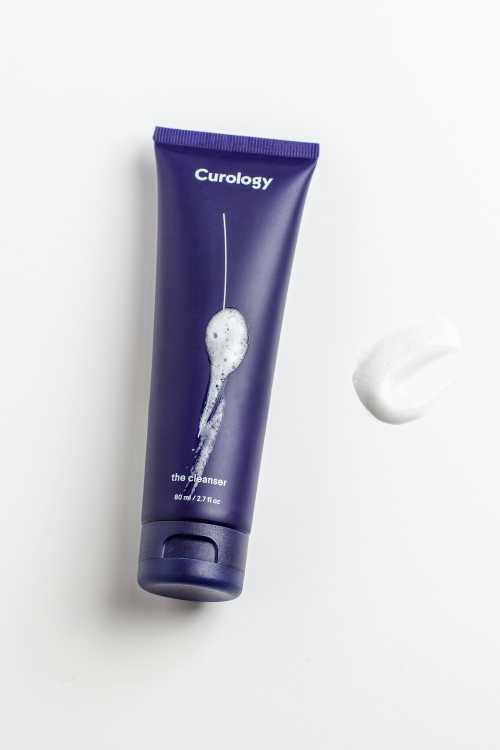
The United Kingdom's beauty and personal care sector witnessed a historic and uncompromising evolution on June 18, 2026, as the British Beauty Council, in unprecedented collaboration with the UK's major high street retailers, officially launched the 'Skin Flora First' initiative. This comprehensive industry mandate effectively bans the use of a specific class of broad-spectrum, microbiome-disrupting preservatives in all cosmetics and skincare products sold across Boots, Superdrug, and major department stores like Harrods and Selfridges. For decades, the global beauty industry has relied heavily on potent antimicrobial preservatives to ensure product safety and extend shelf life, often at the severe expense of the delicate, beneficial bacterial ecosystem that resides on the human skin. The 'Skin Flora First' mandate represents a definitive break from this traditional paradigm, prioritizing the long-term biological health of the consumer's skin barrier over the short-term logistical convenience of the manufacturer. The launch of this initiative was accompanied by a massive public awareness campaign across London, featuring digital installations in Covent Garden that visualized the microscopic world of the skin microbiome, educating the British public on the profound importance of bacterial diversity. The British beauty industry has made it unequivocally clear that the era of indiscriminate sterilization is over, and the future of UK cosmetics is fundamentally rooted in biological harmony and ecological respect.
Understanding the Skin Microbiome and the Preservative Problem
To fully grasp the significance of the 'Skin Flora First' mandate, one must understand the complex biology of the skin microbiome and the destructive impact of traditional preservation methods. The human skin is not a sterile surface; it is a thriving, complex ecosystem home to trillions of microorganisms, including bacteria, fungi, and viruses, collectively known as the microbiome. This microscopic community plays a crucial role in protecting the skin from pathogens, regulating the immune system, and maintaining the integrity of the skin barrier. However, the broad-spectrum preservatives traditionally used in cosmetics—such as certain parabens, formaldehyde releasers, and high concentrations of phenoxyethanol—are designed to kill all microbial life. When applied to the skin, these preservatives do not discriminate between harmful pathogens and beneficial commensal bacteria; they obliterate the entire ecosystem. This repeated microbial destruction has been linked by dermatologists to the dramatic rise in sensitive skin conditions, eczema, and accelerated skin aging observed over the past two decades. The British Beauty Council's mandate specifically targets these indiscriminate preservatives, requiring all member brands to transition to 'microbiome-positive' preservation systems. These new systems utilize advanced bio-fermentation techniques, natural antimicrobial peptides, and carefully balanced pH adjusters that prevent the growth of harmful pathogens in the product formula while leaving the beneficial bacteria on the skin completely unharmed. This shift requires a monumental overhaul of formulation chemistry, pushing British cosmetic scientists to the absolute cutting edge of biological skincare.
ELI5: What is the Skin Microbiome and Why Should We Protect It?
Imagine your skin is like a beautiful, lush garden. In this garden, there are millions of tiny, invisible helpers called good bacteria. These helpers protect your skin from bad bugs, keep it moist, and make it strong. For a long time, the ingredients in our face creams were like a super-strong weedkiller that accidentally killed all the good helpers along with the bad bugs. The new rules in the UK are making sure that face creams only use gentle ingredients that keep the cream safe from going bad, but leave the tiny helpers in your skin garden completely alone and happy. A healthy garden means healthy, glowing skin!
The Reformulation Challenge for British Heritage Brands
The immediate operational impact of the 'Skin Flora First' mandate has been a massive, industry-wide reformulation crisis that is simultaneously a renaissance of British cosmetic science. Heritage brands, some of which have relied on the same core preservative systems for over fifty years, have been forced to completely dismantle and rebuild their product portfolios. The challenge of creating a stable, safe, and aesthetically pleasing cosmetic formula without traditional broad-spectrum preservatives is immense. Formulators must now utilize complex hurdle technology, combining multiple gentle preservation methods—such as airless packaging, strict pH control, and natural antimicrobial blends derived from radish root or fermented sugars—to ensure the product does not grow mold or bacteria in the jar. This reformulation effort has required billions of pounds in research and development investment across the UK's cosmetic manufacturing hubs in Surrey and Hampshire. However, this crisis has also sparked an incredible wave of innovation. British cosmetic chemists are pioneering new bio-active preservation systems that not only protect the formula but actively feed and nourish the skin's microbiome upon application. The UK is rapidly becoming the global epicenter for microbiome-positive cosmetic science, attracting top scientific talent and massive venture capital investment from around the world. The mandate has forced the industry to evolve from simply 'not harming' the skin to actively 'biologically supporting' it.
The Retail Shift and the Economic Boom of Pro-Biotic Beauty
The retail landscape in the UK has been profoundly transformed by the implementation of the 'Skin Flora First' mandate. Major high street retailers like Boots and Superdrug have completely restructured their beauty aisles, creating dedicated 'Microbiome-Positive' zones that highlight products certified under the new initiative. This physical merchandising shift has educated the consumer at the point of sale, driving a massive surge in demand for pro-biotic and pre-biotic skincare. The economic impact has been highly positive for the brands that successfully navigated the reformulation process. Products carrying the 'Skin Flora First' certification are commanding a premium price point, as consumers are increasingly willing to invest in formulations that promise long-term biological health rather than just short-term cosmetic fixes. Furthermore, the mandate has significantly reduced the rate of product returns and customer complaints related to skin sensitivity and allergic reactions, saving retailers millions of pounds in reverse logistics and lost goodwill. The British beauty market is experiencing a renaissance of consumer trust, as shoppers feel confident that the products bearing the 'Skin Flora First' seal have been rigorously vetted for biological compatibility. This trust is translating into intense brand loyalty and increased basket sizes, proving that prioritizing the skin's ecological health is not just a moral imperative, but a highly lucrative business strategy.
ELI5: How Does Banning Preservatives Change Our Daily Creams?
You might wonder how a cream can stay fresh and safe to use without the strong chemicals that kill germs. Scientists have figured out how to use special, air-tight bottles that do not let any dirty air or bacteria get inside the cream. They also use gentle, natural ingredients, like extracts from certain plants, that stop bad germs from growing but are too soft to hurt your skin's good helpers. It means your daily cream is now packaged in a super-safe, high-tech container and filled with much gentler, smarter ingredients that keep the cream fresh without being harsh on your face.
As the British beauty industry rallies behind the 'Skin Flora First' mandate, the United Kingdom has firmly established itself as the global vanguard of biologically harmonious skincare. The comprehensive ban on microbiome-disrupting preservatives is a bold, uncompromising stance that prioritizes the long-term health of the consumer over the short-term convenience of the manufacturer. The success of this initiative demonstrates that the transition to a microbiome-positive beauty economy is not only scientifically viable but also economically highly rewarding. By protecting the delicate bacterial ecosystem of the skin, the UK beauty industry is not just selling products; it is actively participating in the biological well-being of the nation. The 'Skin Flora First' mandate is more than just a set of retail rules; it is a profound philosophical shift, a return to biological respect, and a bold declaration that the British beauty industry will no longer compromise the microscopic ecosystem of the skin for the sake of a longer shelf life. In the grand garden of global beauty, the UK has planted a new seed of biological harmony, ensuring that the future of skincare is deeply, fundamentally, and beautifully alive.
Related Articles

The Beauty Squeeze: Regulatory Crackdowns and AI Realities Reshape the Industry
Sep 16, 2026
The Efficacy Imperative: How Regulatory Crackdowns, AI, and Market Saturation Are Rewiring the Beauty Industry
Sep 16, 2026
Comments (0)
No comments yet. Be the first to share your thoughts!
Want to join the discussion?
Please log in to post a comment.
Login NoworCreate an Account