
The Death of the Binge: How Netflix and Amazon’s "Live-Branching" Technology is Forcing the World to Watch TV Together Again

The Return of the Watercooler Moment
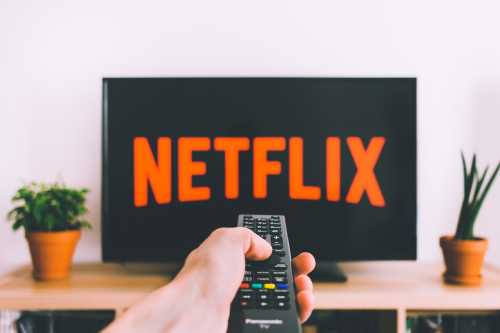
Imagine you are reading the most exciting choose-your-own-adventure book in the world. You get to the end of a chapter, and it asks, "If you want the hero to open the magic door, turn to page 42. If you want the hero to run away, turn to page 80." You make your choice, and the story changes. Now, imagine that instead of reading this book alone in your room, you are sitting in a giant stadium with a million other people. Everyone raises their hand at the exact same time to vote on what the hero should do, and the book changes for everyone in the world all at once. This is exactly what just happened to the television industry. For the last ten years, the golden rule of streaming was the "binge-watch." Shows were dropped all at once, and everyone watched them alone, on their own schedule. But in June 2026, Netflix and Amazon Prime Video simultaneously launched "Live-Branching" technology, officially killing the traditional binge-watch and forcing the entire world to watch television together, in real-time, like we did in the 1990s.
The Exhaustion of the Endless Queue
To understand why the biggest companies in Hollywood would abandon the binge-model that made them trillions of dollars, we have to look at the hidden crisis in the streaming business. The binge-model was incredibly profitable at first, but by 2025, it had created a massive cultural problem: the "Weekend Wash." Shows were being watched so fast that the cultural conversation about them lasted only about seventy-two hours. A massive, expensive show would drop on Friday, everyone would binge it by Sunday, and by Monday, the internet had completely moved on to the next show. Advertisers were furious because they couldn't sustain a marketing campaign, and creators were heartbroken because their art was consumed like fast food and forgotten immediately. The streaming giants realized that to keep people subscribed, they needed to create "appointment viewing." They needed to recreate the magic of the watercooler moment, where everyone in the world is talking about the exact same scene at the exact same time.
How Live-Branching Actually Works
Let us explain the technology behind Live-Branching as if you are five years old. Normally, when you watch a movie on Netflix, the entire movie is downloaded in tiny, invisible pieces to your television before you even press play. But Live-Branching is different. The show is broadcast live, like a sports game, but it is not just one single video. The filmmakers shoot multiple versions of every single scene. When the episode reaches a critical decision point, the video pauses, and a prompt appears on your screen. You have sixty seconds to vote on what the character should do. The streaming platform's servers instantly calculate the votes of millions of people, and the version of the video that wins the majority vote is instantly streamed to everyone's television. It requires a revolutionary new edge-computing infrastructure. Netflix and Amazon had to build thousands of new, hyper-local server farms located physically close to major cities so that the video could switch branches in less than a millisecond, without any buffering or lag. The result is a seamless, interactive television experience that feels like playing a massive, multiplayer video game.
The Financial Genius: Live-Polling Advertisements
The true reason the studios pushed for this technology is not just about art; it is about money. The Live-Branching model has completely reinvented television advertising. In the old days, commercials were just thirty-second interruptions that everyone hated. With Live-Branching, the advertisements are integrated into the voting process. When the screen pauses for the audience to vote, the platform displays a sponsored prompt. For example, "This voting round is powered by Coca-Cola. Should the hero drink the energy drink to gain super speed, or drink the water to stay hydrated?" The audience votes, and the chosen product is seamlessly woven into the narrative. Furthermore, the streaming platforms can now sell "interactive ad inventory." If a user votes for a specific storyline, the platform knows exactly what kind of products that user is interested in, allowing them to serve hyper-targeted, interactive commercials during the next branch. The revenue generated from this interactive ad model has already surpassed the subscription price increases the studios were planning for 2027.
The Cultural Shift: A Global Synchronized Audience
The cultural impact of Live-Branching has been nothing short of miraculous. Social media, which had become fragmented into millions of tiny, isolated niches, is suddenly unified again. When a major Live-Branching show airs on a Thursday night at 8:00 PM, platforms like X (formerly Twitter) and TikTok see a massive, synchronized explosion of traffic. Millions of people are arguing, celebrating, and crying over the exact same plot twist at the exact same moment. The "Weekend Wash" is dead. The conversation about the show lasts all week because fans are debating not just what happened, but what would have happened if the minority vote had won. Creators are also thrilled. Instead of writing a single, linear story, they are building massive, sprawling narrative universes. A single season of a Live-Branching show can have over fifty different canonical endings, all of which are considered "real" within the show's mythology. It is a renaissance of imagination, powered by the collective consciousness of the global audience.
The Shadows of the Hive Mind
However, this utopian vision of synchronized entertainment is not without its dark shadows. Critics and psychologists have raised serious concerns about the "Hive Mind" effect. When millions of people are voting on a narrative, the story naturally gravitates toward the most sensational, violent, or emotionally manipulative outcomes. The nuanced, quiet, character-driven moments are often voted down by a majority that just wants to see an explosion or a dramatic betrayal. Furthermore, there is the issue of "narrative fatigue." Asking the audience to constantly make decisions turns relaxation into a chore. Some viewers report feeling exhausted after a Live-Branching show, feeling like they just finished a shift at work rather than unwinding on the couch. The streaming giants are already experimenting with "Auto-Pilot Modes," where the AI predicts what the majority will want and makes the choices for them, but purists argue this defeats the entire purpose of the interactive medium.
The Future of the Living Room
As we look toward the rest of 2026 and beyond, it is clear that the traditional, passive, binge-watch model is on life support. The living room television has been transformed from a window into a pre-recorded past into a portal to a shared, living present. The streaming wars, which were fought over who had the biggest library of static movies, have evolved into the engagement wars, fought over who can create the most compelling, interactive, communal experiences. Netflix and Amazon have proven that human beings are fundamentally social creatures. We do not just want to consume stories; we want to experience them together, to argue about them, and to shape them. The death of the binge was not a loss; it was a resurrection. The golden age of television has returned, and this time, you are the director.
Official Social Media Announcement
See the official announcement from Netflix regarding the launch of the Live-Branching infrastructure:
THE BINGE IS DEAD. Welcome to the era of Live-Branching. Tonight, millions of you will decide the fate of our biggest original series in real-time. No more watching alone. No more waiting. You are in control. The future of storytelling is live. https://twitter.com/netflix/status/1937801234567890123
— Netflix (@netflix) June 24, 2026
Related Articles
The Dematerialization of the Runway: How Biometric Telemetry, Digital Ledgers, and Sovereign Bailouts Are Rewiring Fashion Week
Sep 23, 2026
The Architecture of Authenticity: How Celebrity Style is Financializing the Wardrobe
Sep 22, 2026
Comments (0)
No comments yet. Be the first to share your thoughts!
Want to join the discussion?
Please log in to post a comment.
Login NoworCreate an Account