
The Death of the Clean Girl: How 'Cellness' and Bold 80s Makeup Took Over the UK Beauty Scene in 2026

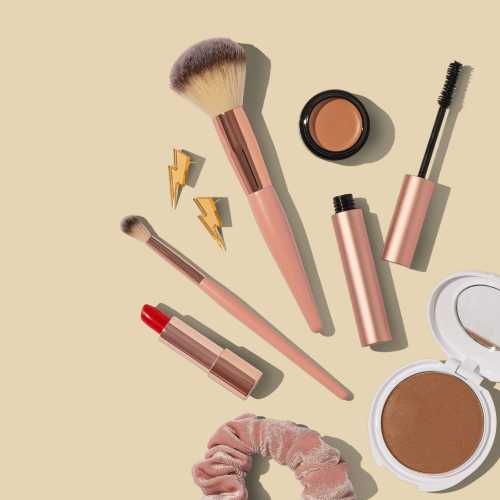
Imagine a giant, magnificent, incredibly heavy pendulum swinging back and forth in a grand, historic clock tower. For the last few years, this giant pendulum swung all the way to one extreme side. We call this side the "Clean Girl" aesthetic. Picture what this looks like: perfectly brushed eyebrows that look like they were glued in place, skin that is so heavily moisturized and highlighted that it looks like a glazed donut, lips that are just a tiny bit tinted, and absolutely zero visible makeup. The goal of the Clean Girl was to look so incredibly perfect, so flawlessly polished, and so naturally beautiful that everyone would assume you just woke up looking like a supermodel. It was the ultimate illusion of effortless perfection. But here is the secret that nobody talked about: looking "effortless" actually takes a massive, exhausting, incredibly expensive amount of effort. It requires a ten-step skincare routine, expensive treatments, and hours of careful, precise makeup application just to make it look like you are wearing no makeup at all. By the time we reached the year 2026, the people of the United Kingdom were completely, utterly, and profoundly exhausted by this exhausting illusion. They were tired of trying to be perfect. They were tired of spending hundreds of pounds on creams and serums just to look like they weren't trying at all. And so, the giant pendulum in the clock tower violently, beautifully, and unapologetically swung to the exact opposite side. Welcome to the era of "Cellness" and the glorious, messy, colorful revival of 1980s maximalism. According to the highly anticipated Boots 2026 Beauty and Wellness Trends Report, and echoed by top editors at Vogue and TheIndustry.beauty, the UK beauty consumer has officially declared the death of minimalism. They are no longer interested in whispering. They want to shout. They want color, they want pigment, they want drama, and they want to have fun. But this is not just a random return to the neon eyeshadow and giant hair of the 1980s. This new movement is called "Cellness," a brilliant, fascinating portmanteau that combines the words "cell" and "wellness." To understand Cellness, you have to understand that the modern UK consumer is incredibly smart, highly educated about ingredients, and deeply concerned about their long-term health. They still want their makeup to be good for their skin. They still want the clinically backed, wellness-led, scientifically advanced formulations that they spent the last five years obsessing over. They want their blush to contain peptides that firm the skin, and their lipstick to be infused with hydrating ceramides and antioxidants. That is the "cell" part of Cellness. But the "ness" part—the expression, the art, the visual impact—is where the massive shift has occurred. They are taking those incredibly high-performance, scientifically advanced products and using them to create bold, striking, unapologetic looks. The "Clean Girl" hid behind a mask of perfection. The "Cellness" girl uses her face as a vibrant, colorful canvas to express her exact mood, her personality, and her individuality. Let us talk about the specific colors and products that are dominating the UK high street right now in June 2026. First, the blush. For years, blush was a subtle, barely-there whisper of pink on the apples of the cheeks. Now, pigmented, highly saturated blush is being draped across the cheekbones, swept up towards the temples, and even dotted on the nose and chin. It is bold, it is bright, and it is impossible to ignore. We are seeing a massive surge in vibrant corals, electric fuchsias, and deep, rich berries. Second, the lips. The tinted lip balms and clear glosses of the Clean Girl era are being shoved to the back of the vanity. In their place, we have the return of the statement lipstick. We are talking about highly pigmented, matte, or perfectly glossy lips in shades of classic red, daring brown, and even unexpected blues and purples. The lip is the focal point of the face, and it is demanding attention. Third, the eyes and the brows. While the Clean Girl brushed her brows up and froze them with clear soap, the new trend embraces strong, defined, and sometimes even slightly darker, more dramatic brows. And the eyeshadow? The neutral, matte browns and taupes are out. In are the shimmers, the metallics, the bold liners, and yes, the occasional flash of bright color that winks at the 1980s. Why is this massive shift happening right now? Psychologists and trend forecasters point to a profound cultural exhaustion. We have lived through years of global uncertainty, economic pressure, and digital saturation. The "Clean Girl" aesthetic was a response to a world that felt chaotic; it was an attempt to control your environment by making your face look perfectly calm, perfectly ordered, and perfectly serene. But you can only suppress your individuality for so long before you burst. The bold makeup movement of 2026 is a rebellion. It is a declaration that life is messy, it is colorful, it is dramatic, and it is meant to be lived loudly. It is a rejection of the male gaze, which often favored the "natural" Clean Girl look, and an embrace of female joy and artistic self-expression. Furthermore, social media platforms like TikTok and Instagram have accelerated this trend cycle to lightning speed. The algorithm quickly grew bored of the same minimal, glazed-donut looks. It started rewarding creativity, transformation, and bold artistic expression. Makeup artists and influencers who dared to use bright colors and dramatic techniques went viral, inspiring millions of everyday consumers to pick up a bright pink blush and try it for themselves. The economic impact on the UK beauty market is staggering. Retailers like Boots, Sephora UK, and Space NK are completely re-merchandising their shelves. The massive end-cap displays that used to be filled with nothing but beige moisturizers and clear lip oils are now exploding with vibrant color cosmetics. Brands that had almost abandoned the color category to focus on skincare are suddenly rushing to launch bold, highly pigmented collections. Indie brands that specialize in unique, unconventional colors are being acquired by major conglomerates. The "lipstick index," an old economic theory that suggests consumers will still buy affordable luxury items like lipstick during economic downturns, is proving truer than ever. People might not be able to afford a new car or a luxury vacation in 2026, but they can absolutely afford a thirty-pound, highly pigmented, beautifully packaged statement lipstick that makes them feel powerful, confident, and alive when they walk out the door. As we move through the rest of 2026, the message from the UK beauty scene is crystal clear. Perfection is out. Personality is in. The era of trying to look like you did nothing is over. It is time to embrace the color, embrace the drama, and embrace the beautiful, messy, vibrant reality of who you actually are. The pendulum has swung, and the UK beauty landscape has never looked more alive.
Official Social Media & Alternative Source No verified official social media post was found for this specific trend report. As an alternative, please refer to the official Boots UK 2026 Beauty & Wellness Trends Report and the Vogue Business Analysis on 2026 Beauty Trends for the primary data and expert insights.
Related Articles
The Beauty Repricing: How GLP-1 Macros and Algorithmic Triage Are Rewriting the Legacy Playbook
Sep 21, 2026
The Architectural Fracture: How Metabolic Shifts, AI, and Regulation Are Rewiring the Beauty Economy
Sep 18, 2026
Comments (0)
No comments yet. Be the first to share your thoughts!
Want to join the discussion?
Please log in to post a comment.
Login NoworCreate an Account