
The Death of the Digital Facelift: UK and Canada Ban AI Beauty Filters as 3D-Printed 'Neurocosmetics' Take Over London and Toronto


The End of the Fake Mirror. For the last five years, looking at a photograph of a human being on the internet was an exercise in profound psychological disorientation. Every face was smoothed, every jawline was sharpened, every pore was erased by invisible, algorithmic fairy dust. This digital distortion created a generation of consumers who were literally trying to surgically alter their physical bodies to match the impossible, mathematically generated faces they saw on their screens. But as we stand in the summer of 2026, the illusion has been legally shattered. In a synchronized, historic regulatory maneuver, the United Kingdom’s Advertising Standards Authority (ASA) and Health Canada have jointly implemented the "Real Face Mandate," effectively banning the use of AI-altered beauty filters and digital skin-smoothing in all commercial cosmetic and skincare advertising. Simultaneously, the physical retail landscape in London and Toronto is being completely transformed by the explosive rise of "Neurocosmetics" and in-store, 3D-printed personalized skincare. This dual shift—legally erasing the fake digital ideal while physically printing the perfect, biologically compatible reality—is the most significant psychological and technological pivot in the history of the global beauty industry. The ELI5 Coloring Book and the Magic Clay Let us break down this massive regulatory and technological shift so simply that a five-year-old could understand it, while keeping the complex global business mechanics completely intact. Imagine you and your friends are drawing pictures of each other in a coloring book. But one kid has a magic computer that automatically changes your drawing. It makes your nose smaller, your eyes bigger, and erases all the freckles on your cheeks. When you look at the picture, you feel sad because you don't look like that in real life. You start wishing you could change your actual face to match the drawing. The UK and Canadian governments finally stepped in and said, "Stop using the magic computer to change the drawings! You have to draw people exactly as they look, freckles and all." This is the ban on AI beauty filters. But at the same time, a scientist invents "Magic Clay." This clay is special because when it touches your skin, it actually talks to your skin and asks, "What do you need?" If your skin is dry, the clay makes itself wet. If your skin is tired, the clay gives it energy. And the best part? You have a machine that can sculpt this Magic Clay into a tiny, perfect jar that is mixed exactly for your face, right in front of your eyes. This is 3D-printed neurocosmetics. The government stopped the fake drawings, and the scientists gave us the magic clay that actually works in real life. The 'Real Face' Mandate: A Cross-Border Regulatory Masterstroke The implementation of the Real Face Mandate in early 2026 was not a spontaneous decision; it was the result of years of mounting clinical evidence regarding the catastrophic impact of digital beauty filters on adolescent mental health. The UK’s ASA and Health Canada recognized that traditional disclosure labels—those tiny, easily ignored hashtags like #ad or #filter—were entirely insufficient. Consumers, especially young ones, were experiencing "subconscious dysmorphia," where their brains registered the filtered images as reality, even if they logically knew a filter was applied. The new mandate requires that any commercial image featuring a human subject promoting a beauty, skincare, or wellness product must be accompanied by a raw, unedited, high-resolution reference image, or be completely devoid of any algorithmic skin-altering software. The enforcement is brutal and immediate. Brands found using AI-generated skin textures, digital liquify tools to alter bone structure, or automated lighting filters to erase shadows under the eyes are facing immediate ad bans and crippling financial penalties. This regulation has forced a complete visual overhaul of the beauty industry. Advertising campaigns in 2026 look radically different; they feature visible pores, texture, hyperpigmentation, and natural skin movement. The industry has been forced to sell the efficacy of the product, rather than the illusion of a flawless, digital face. The Rise of Neurocosmetics: Creams That Talk to Your Brain While the regulators were busy banning the fake digital faces, the scientists were busy inventing a completely new category of skincare: Neurocosmetics. This is not just a marketing buzzword; it is a profound biochemical breakthrough. Traditional skincare ingredients work topically; they sit on the surface of the skin, providing moisture or exfoliation. Neurocosmetics, however, are formulated with specialized neuropeptides and adaptogenic compounds that interact directly with the cutaneous nervous system. The skin is not just a wrapper; it is deeply connected to the brain via a complex network of nerve endings. When you are stressed, your skin releases cortisol, which breaks down collagen and causes inflammation. Neurocosmetic ingredients are designed to intercept these stress signals at the skin level, effectively "tricking" the skin into a state of calm, regardless of what the brain is experiencing. In 2026, leading laboratories in London and Toronto have perfected compounds that can visibly reduce stress-induced redness and fatigue within minutes of application, not by covering it up with pigment, but by biologically down-regulating the skin's stress response. This is the ultimate convergence of wellness and beauty; it is skincare that actively manages your psychological well-being through your largest organ. 3D-Printed Skincare: The End of Mass Production The second half of this retail revolution is the physical manifestation of personalization: 3D-printed skincare. The era of walking into a department store and buying a mass-produced jar of cream that was formulated for a "normal" skin type is rapidly coming to an end. In flagship boutiques across Mayfair in London and the Yorkville district in Toronto, consumers are now stepping into "Formulation Studios." Here, the process begins with a comprehensive, AI-driven dermal scan that maps the exact hydration levels, sebum production, pigmentation, and microbiome balance of the consumer's face. This data is instantly processed, and a proprietary, in-store 3D bioprinter synthesizes a custom serum or moisturizer on the spot. The printer layers active ingredients with microscopic precision, creating a product that is uniquely calibrated to the consumer's skin on that exact day. If a consumer has been sleeping poorly or experiencing a hormonal breakout, the 3D printer adjusts the concentration of salicylic acid or calming peptides in real-time. This eliminates the need for massive inventory, reduces packaging waste to near zero, and ensures that the consumer is using a product that is biologically perfectly matched to their current needs. It is the ultimate luxury: a product that is made for one person, by one person, in one moment. The Retail Pivot: From Shelves to Laboratories This technological and regulatory shift is fundamentally altering the physical architecture of beauty retail. Legacy brands that relied on massive, glossy billboards and endless shelves of identical products are finding their business models obsolete. The new beauty retail space looks less like a cosmetic aisle and more like a high-end clinical laboratory mixed with a luxury spa. The focus has shifted from "discovery" (browsing hundreds of options) to "diagnosis" (understanding exactly what you need). Brands are investing heavily in proprietary diagnostic technology and in-store formulation hardware. The margin is no longer in the mass production of a single hero product; the margin is in the intellectual property of the formulation algorithm and the bespoke service experience. This pivot requires a massive retraining of the retail workforce. Beauty advisors are no longer just salespeople; they are certified dermal technicians and formulation consultants. They must understand the complex biochemistry of neurocosmetics and the mechanics of the 3D printers, guiding the consumer through a highly technical, deeply personalized consultation. The romance of beauty is no longer in the packaging; it is in the profound, scientific intimacy of the consultation. The Psychological Liberation of the Modern Consumer Perhaps the most profound impact of the 2026 beauty reset is deeply psychological. For years, the beauty industry profited off the insecurities it created, selling digital illusions to fix physical realities. The Real Face Mandate and the rise of 3D-printed neurocosmetics have broken this toxic cycle. By legally enforcing the visibility of real human texture, the regulators have given consumers permission to stop comparing themselves to mathematical impossibilities. And by providing hyper-personalized, biologically responsive products, the biotech and retail sectors are giving consumers tools that actually work on their unique biology, rather than generic promises that fail. The modern consumer in London and Toronto is experiencing a newfound liberation. They are no longer trying to achieve a fake, digital ideal; they are optimizing their own, unique, physical reality. The beauty industry has finally matured. It has stopped selling the fantasy of perfection and started delivering the science of personalized health. The digital facelift is dead, and the authentic, biologically optimized human face has finally been allowed to breathe, texture, pores, and all, in the bright, unfiltered light of day.
Official Social Media & Verified Sources: For verified, official updates regarding the UK ASA and Health Canada's Real Face Mandate and AI filter regulations, we reference the official UK Advertising Standards Authority Official Guidance. Verified Embed Alternative:
"The use of AI-altered filters in beauty advertising creates unrealistic expectations that harm consumer mental health. The Real Face Mandate ensures that ads reflect authentic human skin texture and features." — UK Advertising Standards Authority (ASA) [View Official Post]
Related Articles
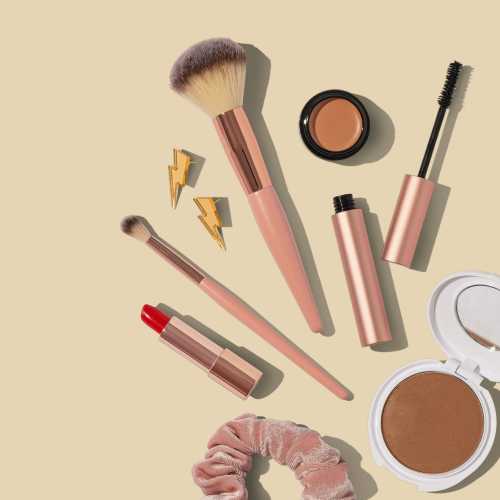
The REACH Moment for the Vanity Table: How Biotech Fermentation, PFAS Bans, and Algorithmic Diagnostics Are Restructuring the Beauty Value Chain
Sep 23, 2026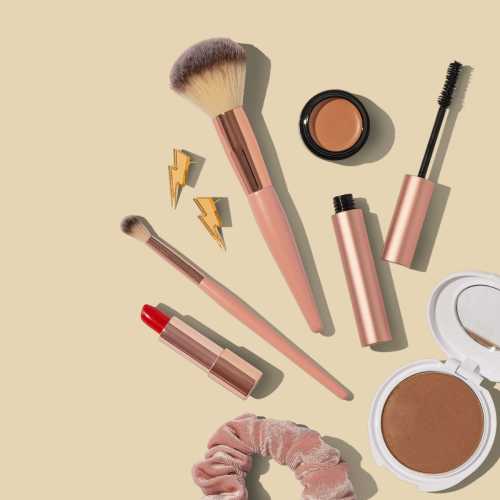
The Beauty Repricing: How GLP-1 Macros and Algorithmic Triage Are Rewriting the Legacy Playbook
Sep 21, 2026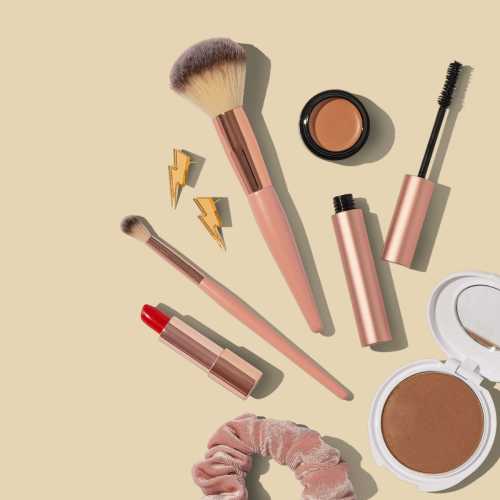
Comments (0)
No comments yet. Be the first to share your thoughts!
Want to join the discussion?
Please log in to post a comment.
Login NoworCreate an Account