
The Digital You: Oxford and Imperial Create Revolutionary Computer Models of Human Organs

The Grand Blueprint of the Human Machine
Imagine you are building the most magnificent, intricate Lego castle ever created. Before you start snapping the pieces together, you would probably want to look at the instruction manual, or maybe even draw a picture of what the castle will look like when it is finished. You might even build a small, digital version of the castle on a computer to see if the walls are strong enough to hold the heavy towers. This is exactly what engineers and architects do every day to make sure their buildings are safe and strong. Now, imagine applying that exact same brilliant idea to the most complex machine in the known universe: the human body. For centuries, doctors and scientists have had to guess how a new medicine would work inside a living person by testing it in a laboratory dish or, in the past, on animals. But today, in a breathtaking leap of innovation, scientists at the University of Oxford and Imperial College London, working together with the pharmaceutical giant GSK, have launched a revolutionary new center. Their mission? To create incredibly detailed, living computer models of human organs, including the lungs, liver, kidneys, and even cartilage. This is not just a simple drawing; it is a "digital twin," a virtual version of your actual insides that can predict exactly how you will react to a medicine before you ever swallow a single pill.
The Old Way: Why We Need a Better Map
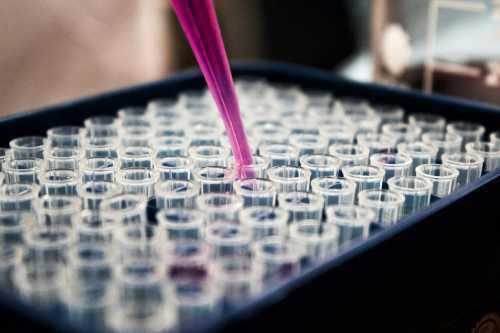
To understand why this digital breakthrough is so incredibly important, we have to look at how medicines have been developed in the past. It is a long, difficult, and sometimes frustrating journey. When scientists discover a new molecule that they think might cure a disease, they first test it on cells in a tiny plastic dish. But cells in a dish are very different from cells in a living, breathing body. A liver cell in a dish does not know that it is supposed to be connected to blood vessels, or that it needs to work together with the kidneys to filter out poisons. So, the next step has historically been to test the medicine on animals. While this has helped us develop many life-saving drugs, it is not perfect. A mouse is a wonderful creature, but its body is not exactly the same as a human body. A medicine that works perfectly in a mouse might fail completely in a human, or worse, it might cause unexpected side effects. This means that when a new drug finally reaches human clinical trials, it is still a bit of a mystery. It takes many years and billions of dollars to find a medicine that is safe and effective, and many promising drugs are abandoned because they do not work in the animal models, even though they might have worked beautifully in a person. The scientists in the UK realized that we needed a better map, a way to test medicines directly on a human model without putting a real human at risk.
Enter the Digital Twin: A Virtual You
This is where the concept of the "digital twin" comes in, and it is truly like something out of a science fiction movie. The new center at Oxford and Imperial is using the most powerful supercomputers in the world, combined with massive amounts of biological data, to build virtual organs. Imagine a 3D model of a human lung on a computer screen, but this is not just a static picture. This virtual lung is "alive" with mathematics. It knows how the air flows through the tiny branches, it knows how the oxygen passes into the blood, and it knows how the tissue stretches when you take a deep breath. When scientists want to test a new asthma inhaler, they do not need to give it to a patient right away. Instead, they "give" the medicine to the digital lung on the computer. The supercomputer runs a simulation, calculating exactly how the virtual cells will react to the drug. Will it open the airways? Will it reduce the swelling? Will it cause any irritation? The computer can answer all these questions in a matter of hours, providing a level of detail and safety that was previously impossible. This allows researchers to test thousands of different variations of a drug very quickly, weeding out the ones that do not work and perfecting the ones that do, long before they ever reach a human trial.
A Powerhouse Partnership: Oxford, Imperial, and GSK
Creating a living, breathing computer model of a human organ is not something that one group of people can do alone. It requires the brightest minds from the world of academic research and the vast resources of the medical industry. That is why this project is a collaboration between the University of Oxford, Imperial College London, and the global healthcare company GSK. The universities bring the deep, fundamental understanding of human biology and the cutting-edge computer science needed to build the models. They have the brilliant mathematicians and biologists who understand the tiny, hidden rules of how cells behave. GSK, on the other hand, brings the real-world problems. They know exactly what kinds of medicines are needed for diseases like asthma, chronic obstructive pulmonary disease, and kidney failure. They provide the massive datasets from decades of drug development, which are used to train the computer models to be accurate. By working together, they are bridging the gap between the laboratory and the pharmacy. The universities get to see their theoretical models tested on real medical challenges, and GSK gets to develop safer, more effective medicines much faster than ever before. This partnership is a shining example of how different types of experts can come together to solve the biggest problems in human health.
Official Institutional Research Update
For the most accurate and verified information regarding this groundbreaking initiative, we refer to the official innovation news from the University of Oxford's Medical Sciences Division, which details the launch of the center to create computer models of vital organs.
Read the Official Oxford Medical Sciences Innovation NewsFaster Cures: Speeding Up the Journey to the Patient
One of the most beautiful and practical benefits of these digital organ models is the gift of time. When a patient is suffering from a terrible disease, every single day matters. They do not have years to wait for a new drug to slowly make its way through the traditional, lengthy development process. By using digital twins, scientists can dramatically speed up the early stages of drug discovery. Instead of waiting months to see if a physical experiment in a lab works, they can run a computer simulation in a few days. If the simulation shows that the drug is not going to work, they can immediately tweak the molecule and try again. This rapid cycle of testing and learning means that promising medicines can reach the patients who desperately need them much, much faster. It also makes the entire process of developing medicines far more efficient, saving billions of dollars that can then be reinvested into researching even more rare and difficult diseases. In a world where we are constantly facing new health challenges, from aging populations to new viruses, the ability to develop treatments quickly is not just a luxury; it is an absolute necessity. These virtual organs are acting like a turbocharger for medical research, propelling us toward a future where cures are found in a fraction of the time it takes today.
The Ultimate Safety Net: Protecting Patients
Beyond speed, the digital twin models offer something even more precious: safety. The human body is incredibly delicate, and introducing a new chemical into it always carries some level of risk. In the past, the only way to know if a drug was toxic to the liver or the kidneys was to test it and carefully monitor the patient for side effects. But with a digital twin, scientists can test the toxicity of a drug on the virtual liver first. The computer model can predict if the drug will build up in the tissue, if it will interfere with the organ's ability to filter blood, or if it will cause inflammation. By identifying these potential dangers in the computer, scientists can discard the unsafe drugs before they ever reach a human clinical trial. This means that the patients who do volunteer for clinical trials are much safer, because the drugs they are given have already been rigorously vetted by their digital counterparts. It also means that once a drug is approved for the public, it is far less likely to have unexpected, dangerous side effects. This shift from reactive safety (dealing with side effects after they happen) to predictive safety (preventing side effects before they happen) is one of the most profound ethical and medical advancements of our time.
The Future: Your Digital Twin at the Doctor's Office
As we look toward the horizon, the possibilities of this technology become even more personal and exciting. Right now, the digital organs are general models, representing an "average" human lung or liver. But the ultimate goal of the researchers at Oxford and Imperial is to create personalized digital twins. Imagine going to the doctor in the future, and before they prescribe you a medication for your high blood pressure, they take a quick scan of your heart and blood vessels. They upload that data to the computer, and within minutes, a perfect digital replica of your own heart is created. The doctor can then test five different blood pressure medications on your virtual heart to see which one works the best for your specific anatomy, and which one has the lowest risk of side effects for you. This is the holy grail of personalized medicine. No more guessing which drug will work best for you; no more trial and error that leaves you feeling unwell while you wait for the right dosage. The medicine will be tailored exactly to your unique body, maximizing the benefits and minimizing the risks. We are moving away from a world of "one size fits all" medicine into an era where every treatment is as unique as the patient receiving it.
A British Legacy of Innovation
This groundbreaking work by Oxford, Imperial, and GSK also highlights the United Kingdom's continued position as a global superpower in scientific research and medical innovation. For centuries, British scientists have been at the forefront of discovering how the human body works, from the discovery of DNA's structure at Cambridge to the development of life-saving vaccines. This new center for digital organ modeling is a continuation of that proud legacy. It shows that the UK is not just keeping up with the future of medicine; it is actively building it. The collaboration between the world-class universities and the leading pharmaceutical industry creates an ecosystem where ideas can flow freely from the chalkboard to the pharmacy shelf. It attracts the brightest young scientists from all over the world who want to work at the cutting edge of computational biology. As these digital models become more sophisticated and are adopted by other research centers around the globe, the UK will remain at the heart of a medical revolution that will save millions of lives. It is a testament to the power of curiosity, collaboration, and the relentless pursuit of knowledge to make the world a healthier, happier place.
Conclusion: The Blueprint of Tomorrow
The creation of computer models of human organs is more than just a clever trick of mathematics and biology; it is a fundamental shift in our relationship with our own bodies. We are learning to read the blueprint of life, to understand the intricate dance of cells and tissues, and to predict the future of our health with unprecedented accuracy. For the patient suffering from a chronic disease, this technology means hope—a faster path to a cure that is tailored just for them. For the scientist, it means a powerful new tool to explore the mysteries of the body without the limitations of the physical world. And for all of us, it means a future where medicine is safer, smarter, and more effective than ever before. The digital twin is no longer a concept of science fiction; it is a reality being built today in the laboratories of the UK. As these virtual organs continue to learn and grow, they will guide us through the uncharted territories of human health, lighting the way toward a future where disease is not just treated, but truly understood and conquered. The blueprint of tomorrow is being drawn today, one line of code at a time, and it promises a world where we all live longer, healthier, and more vibrant lives.
Comments (0)
No comments yet. Be the first to share your thoughts!
Want to join the discussion?
Please log in to post a comment.
Login NoworCreate an Account