
The Efficacy Reckoning: How Regulatory Scrutiny and Capital Flight Are Dismantling the Vanity Beauty Empire

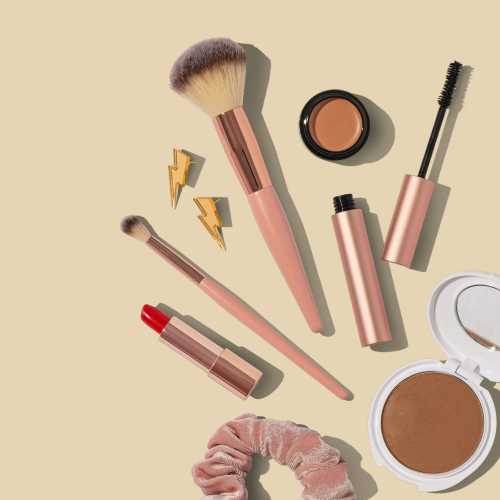
Like a speculative real estate bubble where flimsy structures built on sand collapse the moment the tide of easy capital recedes, the global beauty industry is undergoing a violent, necessary correction. The era of parasocial loyalty and unregulated marketing narratives is terminating, replaced by a ruthless market demand for clinical transparency and verifiable efficacy.
The Structural Fracture in Prestige Cosmetics
The January 2026 Chapter 11 bankruptcy filing of Pat McGrath Labs, coupled with aggressive state-level legislative crackdowns on undefined "clean beauty" claims, marks a definitive structural break in the cosmetics sector. [[15]] This dual shock exposes the fragility of a market long sustained by inflated valuations, celebrity halo effects, and opaque ingredient narratives rather than fundamental product merit or sustainable unit economics.
The Compliance Moat and the Death of "Science-Washing"
Mainstream coverage treats the Modernization of Cosmetics Regulation Act (MoCRA) and emerging state laws as mere bureaucratic hurdles, ignoring their function as a weaponized barrier to entry. State-level "clean beauty" legislation is expanding, and consumer lawsuits over misleading claims are at record highs as import regulations and labeling requirements tighten. [[7]] Legacy conglomerates possess the capital reserves to absorb the costs of rigorous supply chain auditing, facility registration, and adverse event reporting. Conversely, indie brands and influencer-led startups, which historically relied on "science-washing" to command premium margins, face existential liquidity crises. Compliance is no longer a moral imperative; it is a financial moat that will systematically price out non-scalable operators who built their business models on regulatory arbitrage.
The Algorithmic Upsell and the AI Privacy Trap
Simultaneously, the industry’s pivot toward AI-powered skincare diagnostics is encountering severe regulatory and consumer friction. While marketed as a democratization of dermatological expertise, these tools frequently operate as opaque recommendation engines designed to maximize basket size rather than address clinical needs. As recent industry analysis highlights, in the emerging sector of AI skincare, "Privacy Isn't a Feature - It's the Foundation," yet many platforms continue to harvest biometric facial topography and sebum production data without robust, informed consent frameworks. [[27]] This regulatory vacuum invites imminent federal intervention, which will likely invalidate the current business models of tech-forward beauty startups that treat sensitive user health data as an unregulated secondary revenue stream.
The Democratization Defense: A Necessary Nuance
Proponents of AI skincare integration argue that these algorithms democratize access to personalized routines, particularly for consumers in geographic areas lacking board-certified dermatologists. They contend that algorithmic analysis of skin barriers provides a net positive by preventing the misuse of potent active ingredients like retinoids or chemical exfoliants. However, this perspective dangerously overlooks the inherent conflict of interest embedded in these platforms. When the entity diagnosing the skin condition is the same entity selling the remedial product, the "personalization" is merely a sophisticated form of algorithmic upselling, devoid of the fiduciary duty and clinical objectivity expected in actual medical consultations.
Private Equity’s Surgical Pivot to Biotech
The capital markets have already priced in this paradigm shift. Private equity dealmaking in the beauty sector is evolving toward smarter, more selective growth, explicitly targeting biotech and proprietary R&D capabilities over high-growth, influencer-driven vanity brands. [[33]] The macroeconomic data is unequivocal: mass-market beauty grew around 4% in the first half of the year, while prestige growth slowed to roughly 2%, with fragrance remaining the only bright spot across categories. [[35]] Investors are no longer willing to fund exorbitant customer acquisition costs for brands lacking defensible intellectual property. The valuation multiple for a beauty brand is now directly tethered to its clinical trial data and patent portfolio, compressing multiples for non-differentiated brands to below 1x revenue.
Echoes of the Mid-2000s Celebrity Fragrance Collapse
This current contraction mirrors the collapse of the celebrity fragrance bubble in the mid-2000s. During that era, every reality television personality and pop icon launched a signature scent, relying entirely on existing fan bases rather than olfactory innovation or supply chain integrity. The market became so saturated that consumer trust evaporated, leading to massive inventory write-downs and the abrupt closure of countless vanity projects. The lesson from that period is clear: audience loyalty is finite, and it cannot be indefinitely monetized without delivering tangible product value. Today’s "clean" and "AI-driven" beauty brands are repeating this exact pattern, substituting wellness buzzwords for the hollow marketing tactics of two decades ago.
The Macroeconomic Scapegoat Fallacy
Some market analysts contend that the distress among influencer-led beauty brands is merely a cyclical downturn driven by broader macroeconomic headwinds and reduced discretionary spending. They argue that once inflation stabilizes, these brands will naturally rebound as consumers return to habitual purchasing. Yet, this argument fundamentally misdiagnoses the structural shift in consumer behavior. Small beauty brands are losing citation share in 2026, a visibility problem that is not solved by better Instagram content, more influencer partnerships, or higher ad spend. [[42]] The retreat from influencer brands is a permanent alteration of the total addressable market, driven by a sophisticated consumer base that now prioritizes dermatologist-backed formulations and transparent INCI (International Nomenclature of Cosmetic Ingredients) disclosures over parasocial marketing.
Strategic Imperatives for Market Participants
For Independent Beauty Founders: Pivot immediately away from vague "clean" marketing. Reallocate capital toward third-party clinical testing, rigorous MoCRA compliance, and transparent ingredient sourcing to build defensible brand equity.
For Consumers: Treat skincare claims with forensic skepticism. Demand peer-reviewed data over influencer testimonials, and utilize independent databases to verify ingredient safety and formulation efficacy before purchasing.
For Private Investors: Reallocate capital away from highly leveraged, influencer-dependent cosmetic lines. Target B2B biotech firms providing novel peptide synthesis, sustainable active ingredient sourcing, or proprietary delivery systems.
The Six-Month Horizon: Forced Consolidation
Looking six months ahead, the beauty landscape will undergo rapid, forced consolidation. We project that at least three mid-tier, influencer-backed beauty brands will announce strategic wind-downs or distressed asset sales as they fail to meet the new FDA MoCRA adverse event reporting deadlines. Concurrently, major legacy conglomerates will launch proprietary, clinically validated "derma-cosmetic" sub-brands to capture the market share abandoned by failing indie labels. The era of the vanity beauty empire is terminating. The next decade belongs exclusively to verifiable science, regulatory compliance, and those who control the infrastructure of clinical trust.
Related Articles

The Beauty Industry's 2026 Reckoning: Regulatory Moats, Efficacy Demands, and the End of the Influencer Gold Rush
Sep 02, 2026
The Beauty-Sports Complex: How GLP-1 Disruption and Athlete Endorsements Are Reshaping a $600 Billion Industry
Sep 01, 2026
Comments (0)
No comments yet. Be the first to share your thoughts!
Want to join the discussion?
Please log in to post a comment.
Login NoworCreate an Account