
The Future on a Plate: The Viral 'Cultured Sunday Roast' Divides and Delights British Pubs

The Sacred Tradition of the Sunday Table
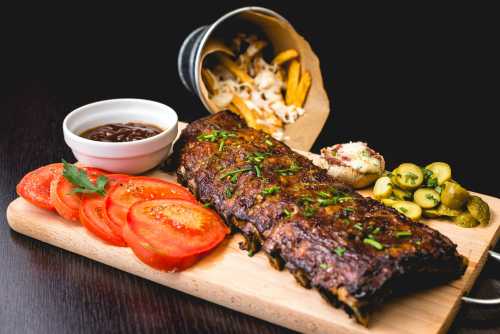
Imagine it is a cold, rainy Sunday afternoon in the United Kingdom. You are sitting in a cozy, historic pub with a roaring fireplace. The air smells of rosemary, roasting potatoes, and rich gravy. The waiter brings out a massive, steaming plate of the "Sunday Roast." This is not just a meal; it is a sacred British tradition that brings families and friends together at the end of a long week. The centerpiece of this meal is usually a large, beautifully cooked piece of beef, surrounded by Yorkshire puddings, carrots, and peas. For hundreds of years, this beef came from a cow that lived on a green, rolling farm in the British countryside. It is a tradition deeply connected to the land, to history, and to the very identity of British culinary culture. But in June 2026, a brand-new, highly controversial, and incredibly viral trend has taken over the UK. For the very first time in history, pubs across London, Manchester, and Edinburgh are serving a Sunday Roast where the beef was never part of a living, breathing animal. It is called "cultivated meat," and it is sparking the biggest food debate the nation has seen in a century.
The Magic Soup: How Do You Grow Meat Without a Cow?
To understand how this is possible, we have to look at the amazing science of biology, explained as simply as baking a cake. Imagine you want to grow a beautiful apple, but instead of planting a whole apple tree in the garden, you take a tiny, microscopic piece of the apple's cells and put it in a special, warm, nutrient-rich soup. This soup has everything the cells need to eat and multiply. Inside a machine called a bioreactor—which looks a bit like a giant, shiny metal beer keg—the cells start to divide and grow, eventually forming the exact same muscle and fat that makes up a piece of beef. This is called cellular agriculture. Scientists in the UK have spent the last decade perfecting this "magic soup." They take a tiny, painless sample of cells from a heritage British cow (which does not hurt the cow at all, like getting a haircut), and then they grow the meat in a clean, sterile laboratory. The result is a piece of beef that is biologically identical to traditional beef, down to the very last molecule, but it requires a fraction of the land, water, and energy, and absolutely no animals are harmed in the process.
The Green Light: The FSA Makes History
Before any new food can be sold to the public in the UK, it must pass the strictest safety tests in the world, overseen by the Food Standards Agency (FSA). The FSA is like a team of master food detectives. They test the meat to ensure there are no harmful bacteria, no dangerous chemicals, and that it is completely safe for human consumption. In early June 2026, the FSA made a historic, world-changing announcement: they officially approved the sale of cultivated beef for use in traditional British pubs and restaurants. This was a monumental decision. It made the UK one of the very first countries in the world to allow lab-grown beef to be served alongside pints of ale and traditional sides. The approval was based on years of rigorous data showing that cultivated meat is not only safe but actually cleaner than traditional meat, because it is grown in a sterile environment without the risk of the diseases that can sometimes affect farm animals. This green light opened the floodgates, and within weeks, the "Cultured Sunday Roast" became the most searched and talked-about food item on the internet.
Official Social Media Update
View Official FSA Approval Post on Facebook
The Taste Test: Does It Pass the Pub Test?
The biggest question on everyone's mind was, of course, the taste. British people are very serious about their roast beef. It needs to be tender, juicy, and full of rich, savory flavor. When the first pubs started serving the Cultured Sunday Roast, food critics, viral TikTokers, and everyday citizens rushed to try it. The consensus has been astonishing. Because the scientists can perfectly control the ratio of fat to muscle in the bioreactor, the cultivated beef is incredibly marbled and tender. When it is roasted with traditional duck fat and basted in its own juices, it tastes exactly like a premium, high-welfare cut of traditional beef. In blind taste tests conducted by major British newspapers, many professional chefs and food critics could not tell the difference between the lab-grown beef and the farm-raised beef. However, the psychological experience of eating it is what has made the trend so viral. People are filming their reactions, amazed that they are eating the future of food in a 400-year-old pub with wooden beams and horse brasses on the walls. It is a collision of deep history and cutting-edge science, served on a single plate with a side of Yorkshire pudding.
The Environmental Promise: Saving the Countryside
The driving force behind this viral trend is not just novelty; it is a desperate need to protect the planet. Traditional beef farming is one of the most resource-intensive activities on Earth. Cows require vast amounts of land to graze, massive quantities of water to drink and grow their feed, and they produce methane, a potent greenhouse gas that warms the planet. By growing meat in bioreactors, scientists estimate that cultivated beef uses up to 90% less land and water, and produces a fraction of the carbon emissions. For the UK, which is trying to meet its ambitious climate goals while preserving its beautiful, green countryside, this technology is a game-changer. It means that land currently used to grow animal feed could be rewilded, turning it back into lush forests and wetlands that absorb carbon and provide homes for endangered wildlife. Environmentalists are championing the Cultured Sunday Roast as a delicious, practical way for everyday people to fight climate change without having to give up their favorite cultural traditions. It is a compromise that allows people to keep their heritage while protecting the earth for their grandchildren.
The Great Debate: Tradition vs. Innovation
However, the rise of the Cultured Sunday Roast has also sparked a fierce and passionate debate across the British Isles. Traditional farmers, who have cared for the land and their herds for generations, feel deeply threatened and misunderstood. They argue that regenerative farming—where cows graze on pastures in a way that actually restores soil health and captures carbon—is the true sustainable path. They worry that the rise of lab-grown meat, which is owned by large biotech corporations, will destroy the rural economy and sever the ancient bond between the British people and their agricultural landscape. On social media, the debate is highly polarized. Some view the cultivated roast as a miracle of science that will save the planet and end animal suffering. Others view it as a dystopian, unnatural intrusion into a sacred cultural ritual. This clash of values is what has made the story so incredibly viral. It forces the nation to ask deep, philosophical questions: What does it mean to eat naturally? Who controls our food supply? And how do we balance our love for tradition with our responsibility to the future of the planet?
Conclusion: A New Chapter in British Culinary History
As the summer of 2026 progresses, the Cultured Sunday Roast has firmly established itself as more than just a fleeting internet trend; it is a permanent addition to the British culinary landscape. It represents a bold step into a future where technology and tradition can coexist. The pubs that serve it are not just selling a meal; they are offering an experience, a chance to taste the future and participate in a global conversation about food, ethics, and the environment. Whether you are a traditionalist who believes meat should only come from a sunlit pasture, or a futurist who believes bioreactors are the key to saving the planet, one thing is certain: the Sunday Roast will never be the same again. The UK has proven once again that it is a nation capable of deep innovation, willing to embrace the cutting edge of science while holding tightly to the cultural rituals that bring them together around the table. The gravy is still rich, the Yorkshire puddings are still crispy, and the conversation around the table is as lively and passionate as ever. The future of food has arrived, and it is being served with a side of mint sauce.
Related Articles

The Digital Cartel: Inside Streaming's Pivot to Sports Monopolies and Mega-Bundles
Aug 12, 2026
The Synthetic Margin Call: How Algorithmic Mandates and FTC Enclosures are Rewiring Internet Culture
Aug 12, 2026
Comments (0)
No comments yet. Be the first to share your thoughts!
Want to join the discussion?
Please log in to post a comment.
Login NoworCreate an Account