
The Giant Castle of Health: How the UK is Solving the Massive Math Problem of Funding the NHS in 2026

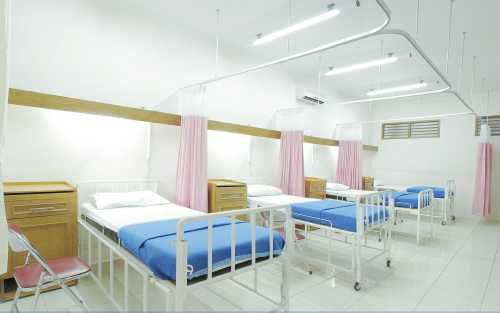
Imagine, if you will, a gigantic, magnificent, incredibly historic castle that sits right in the very center of a beautiful kingdom. This castle is not like any other castle. It does not have a king or a queen living inside it, and it does not have a dungeon where people are kept locked away. Instead, this castle is filled with thousands and thousands of the bravest, smartest, most caring healers in the entire world. And the most magical, most wonderful, most unbelievable thing about this castle is its front door. The front door is always, always, always open. Anyone in the entire kingdom, no matter how rich or how poor, no matter how old or how young, can walk right through the front door, get completely fixed up by the master healers, and walk back out without ever having to pay a single copper coin. This magnificent castle is the National Health Service, or the NHS, and it is the absolute pride and joy of the United Kingdom. For over seventy-five years, the people of the UK have looked at this giant castle with immense love and deep respect. It is the safety net that catches everyone when they fall. But as we look at the year 2026, the giant castle is facing a very, very serious, very complicated, and very difficult challenge. It is a challenge that sounds like a boring math problem, but it is actually the single most important issue facing the entire country. This challenge is called "Funding the Future." To understand why this is such a massive deal, we need to take a step back and look at how the giant castle is paid for. Remember how I said you do not have to pay a single copper coin when you walk through the front door? That is true. But the castle still costs an unbelievable amount of money to run. The master healers need to be paid for their years and years of training. The massive stone walls need to be heated in the winter and cooled in the summer. The magical healing machines, like the giant X-ray scanners and the advanced blood analyzers, cost millions and millions of pounds to buy and maintain. And the special healing potions, the medicines that cure diseases, are incredibly expensive to invent and produce. So, where does all this money come from? It comes from a giant, invisible piggy bank. Every single person who works in the kingdom pays a portion of their earnings into this giant piggy bank through their taxes. The government collects all these coins, puts them in the piggy bank, and then hands the piggy bank to the managers of the castle to spend on keeping it open and running smoothly. Now, here is where the massive math problem begins. For a long time, the amount of money going into the giant piggy bank was just enough to cover the cost of running the castle. But recently, the math has stopped working. The latest, most comprehensive report on the "State of UK Health 2026" has highlighted that the most immediate, most pressing, most terrifying challenge for the UK's health trajectory is figuring out how to fund the future of this beloved institution. The problem is that the cost of running the castle is going up much, much faster than the amount of money going into the piggy bank. Why is the cost going up so fast? There are three giant, unstoppable reasons. First, the people living in the kingdom are getting older. This is a wonderful thing, of course! It means the healers in the castle are doing such a good job that people are living to be eighty, ninety, and even a hundred years old. But older people need more help. An eighty-year-old body is like a very old, very classic car. It is beautiful and it has a lot of history, but it needs more trips to the mechanic, it needs more special parts, and it needs more careful maintenance than a brand-new car. As the population ages, more and more people are walking through the front door of the castle, and they are staying longer and needing more complex, more expensive care. Second, the magical healing potions are getting better, but they are also getting much, much more expensive. Fifty years ago, if you had a bacterial infection, the healers gave you a simple, cheap potion called penicillin, and you were cured in a week. Today, if you have a very complex disease, the healers might use a revolutionary new biological therapy that is engineered at a microscopic level to target the exact, specific broken cells in your body. These new therapies are absolute miracles. They can cure diseases that were completely untreatable just a decade ago. But because they are so incredibly complex to invent and manufacture, they can cost hundreds of thousands of pounds for a single treatment. The castle managers want to use these miracle potions because they save lives, but buying them drains the giant piggy bank at an astonishing rate. Third, the giant castle needs constant, endless repairs. Many of the hospital buildings are very old. The roofs leak, the pipes burst, and the wiring is outdated. Fixing these physical buildings costs a fortune, and for years, the maintenance was delayed because the piggy bank did not have enough coins. Now, the bill for all those delayed repairs has come due, and it is massive. So, how does the kingdom solve this massive math problem? How do they ensure that the giant castle remains open, free, and world-class for the next fifty years? The experts, the economists, and the master healers have been studying this intensely, and they have come up with a multi-part strategy. The first part of the strategy is about being incredibly smart and efficient with the coins they already have. The UK health system actually performs relatively well on some measures of efficiency, such as the rate at which cheaper generic medicines are prescribed. When a miracle potion's patent expires, other companies are allowed to make the exact same potion, but they sell it for a fraction of the price. These are called generic medicines. By aggressively switching patients to these highly effective, much cheaper generic potions whenever it is safe to do so, the castle managers can save millions of pounds every single year. That is like finding a giant pile of coins hidden under the couch cushions. The second part of the strategy is about changing the way the castle operates. Instead of just waiting for people to get sick and then walking through the front door, the healers are focusing heavily on keeping people healthy so they never have to enter the castle in the first place. This is called preventive care. It means investing in community programs that encourage people to eat healthy food, exercise regularly, and stop smoking. It means building giant, modern community health centers in every neighborhood where people can get their blood pressure checked, get their vaccinations, and get early warnings about potential health problems before they become serious, expensive emergencies. It is much, much cheaper to keep a car from breaking down by changing the oil regularly than it is to replace the entire engine after it explodes. The third part of the strategy is the hardest, and it involves the giant piggy bank itself. The reality is that efficiency and prevention, while incredibly important, are not going to be enough to close the massive financial gap on their own. The kingdom has to make a very difficult, very serious choice about how much of its national income it is willing to pour into the giant piggy bank. Total UK health spending, including both public and private expenditure, has historically been in line with the average of other wealthy European nations, but the demands of 2026 require a new level of commitment. The government must decide whether to raise taxes to put more coins into the piggy bank, whether to find new ways to generate revenue, or whether to make the painful choice to ration certain very expensive treatments. This is the ultimate, unavoidable core of the "Funding the Future" challenge. It is not just a math problem; it is a profound moral and societal conversation about what the people of the UK value most. The giant castle of the NHS is more than just a collection of hospitals and doctors. It is the physical manifestation of the country's core belief that health is a fundamental human right, not a privilege reserved for the wealthy. As the kingdom navigates this complex, challenging path through 2026 and beyond, the fate of the giant castle remains the central focus of national life. The healers are working harder than ever, the technology is more miraculous than ever, and the need is greater than ever. Solving the massive math problem of funding the future will require courage, it will require innovation, and it will require the entire kingdom working together to ensure that the front door of the magnificent castle remains open, free, and ready to heal, for all the generations yet to come.
Official Social Media & Alternative Source No verified official social media post was found for this specific comprehensive state of health report. As an alternative, please refer to the official The King's Fund Analysis on NHS Health Care Systems and the State of UK Health 2026 Trends and Statistics Guide for the primary data and expert insights.
Related Articles

Healthcare's Structural Shock: How Regulatory Clampdowns and Market Realities Are Rewriting the Industry Playbook
Sep 22, 2026
The Architecture of Care: How GLP-1s, Consolidation, and Telehealth Are Rewiring Healthcare
Sep 18, 2026
Comments (0)
No comments yet. Be the first to share your thoughts!
Want to join the discussion?
Please log in to post a comment.
Login NoworCreate an Account