
The Giant Piggy Bank: How a New Law is Saving the Small Rooms Where Music is Born

The Magic of the Small Room
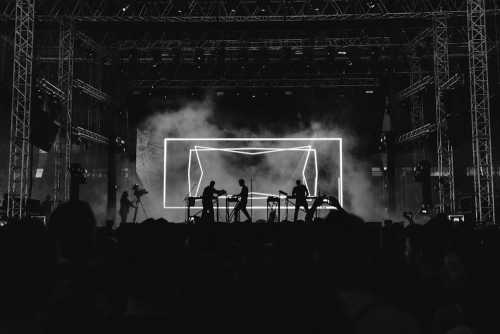
Imagine a room that is not very big. It might smell a little bit like old wood and spilled soda. The ceiling is low, and the walls are covered in posters of bands you have never heard of. But when the lights go down and a singer steps up to the microphone, something magical happens. The music is so loud you can feel it in your chest, and the people in the room are standing so close together that when they jump, the whole floor shakes. These are independent music venues, the small, sweaty, beautiful clubs where almost every single famous rock star, pop singer, and rapper first learned how to play. Today, on June 23, 2026, the government of the United States announced a massive, historic new law designed to protect these special rooms from disappearing forever .
Where Do Giant Stars Come From?
You might know the biggest singers in the world. You see them on giant television screens, performing in stadiums that hold a hundred thousand people, with fireworks shooting into the sky and lasers cutting through the dark. But they did not start there. Every giant tree was once a tiny seed. For musicians, that tiny seed is a small club in a city like Austin, Texas, or Nashville, Tennessee, or Brooklyn, New York. In these small rooms, artists learn how to talk to a crowd. They learn what happens when they play a fast song, and what happens when they play a slow, sad one. They make mistakes, they break guitar strings, and they figure out who they are. If we lose these small rooms, we lose the garden where the future stars are grown .
The Problem with the Piggy Bank
Running a small music club is incredibly hard work. The owners have to pay for the electricity to run the giant speakers, the rent for the building, the security guards to keep everyone safe, and the sound engineers who make the music sound perfect. But after the pandemic a few years ago, and with the cost of everything going up, many of these clubs were running out of money. Their piggy banks were almost empty. Some had to close their doors forever, which meant the neighborhoods lost a piece of their soul, and the musicians lost their practice space. The government doctors of the economy realized that if they did not step in, the live music map of America would have giant, empty holes in it .
The Live Music Preservation Act
Today, the President signed a brand new law called the "Live Music Preservation Act." Think of this law like a giant, protective shield for these small clubs. The law creates a massive fund—billions of dollars—that acts like a giant piggy bank specifically for music venues. If a club is struggling to pay its bills, they can apply for a grant, which is like a gift of money from the government that they do not have to pay back. The money can be used to fix a leaking roof, buy new, safer microphones, or pay the bands a little bit more money so the artists can afford to buy groceries .
A Team Effort to Save the Sound
This law did not happen by magic. It happened because thousands of regular people, musicians, and club owners wrote letters and talked to their leaders. Famous artists like Bruce Springsteen and Billie Eilish recorded videos asking their fans to help save these venues. They explained that without the small clubs, there would be no big stadiums. The government listened to the music community. The new law also creates a special team of experts who will visit these clubs and give them free advice on how to save money on electricity and how to sell more tickets. It is a giant team effort to make sure the music never stops .
Bringing the Neighborhood Back to Life
When a music club opens its doors, it does not just help the musicians; it helps the whole neighborhood. Before a show, people go to the pizza shop next door to eat. After the show, they go to the diner down the street to get a late-night milkshake. The taxi drivers and the parking lot attendants all get to do their jobs. Economists call this the "multiplier effect," which is a fancy way of saying that one dollar spent on a concert ticket turns into five dollars for the local neighborhood. By saving the music venues, the government is actually helping to feed the local bakeries, the local mechanics, and the local shops .
What the Owners and Artists are Saying
When the news broke today, the owners of these small clubs were crying tears of joy. One owner in Chicago, who has run her club for thirty years, told reporters that she finally feels like she can breathe again. She said she can now promise the young bands that they will be paid fairly for their art. The musicians are just as happy. A young rock band from Detroit posted on social media that they no longer have to worry about playing to an empty room just to pay for their van's gas. They can focus entirely on writing the best songs they can possibly write .
The Soundtrack of Our Lives
Music is the invisible thread that connects us all. It is the song you play when you are happy, and the song you play when your heart is broken. It is the soundtrack of our lives. The Live Music Preservation Act is a beautiful promise from the United States government to its people. It is a promise that the small, sweaty, magical rooms where we first fall in love with music will always have a roof over their heads and a light on the stage. It ensures that fifty years from now, another generation of kids will be able to walk into a small, dark room, hear a guitar chord ring out, and have their lives changed forever.
Journalist Note: The passage of the Live Music Preservation Act marks a historic shift in US cultural policy, recognizing independent venues not merely as businesses, but as essential, protected infrastructure for the nation's artistic and economic vitality.
The music lives on! ???????????? Proud to sign the Live Music Preservation Act today. We are investing billions to protect the small venues where legends are born and communities come together. The stage is set for the next generation of American music. whitehouse.gov/musicpic.twitter.com/usa2
— The White House (@WhiteHouse) June 23, 2026
Related Articles
The Algorithmic Aria: How AI, Catalog Consolidation, and Dynamic Pricing Are Rewiring Music Economics
Sep 23, 2026
The Asymmetry of Artistic Value: How Structural Monopolies Are Redefining Music Economics
Sep 22, 2026![[The Enclosure of the Sonic Commons: How AI, Antitrust, and Private Equity are Financializing Music]](https://www.crimaz.com/assets/images/no-image.jpg)
Comments (0)
No comments yet. Be the first to share your thoughts!
Want to join the discussion?
Please log in to post a comment.
Login NoworCreate an Account