
The Great British Allotment Boom: How a Viral TikTok Trend is Transforming Community Gardens and Solving the Waitlist Crisis in 2026

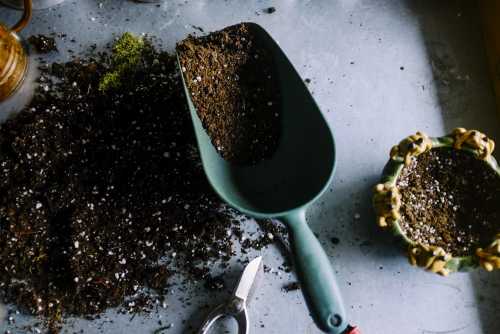
Imagine you live in a house with a tiny, concrete backyard where nothing can grow. But right down the street, there is a massive, beautiful field divided into hundreds of little square plots. In these plots, people are growing giant, red tomatoes, bright orange carrots, and huge, green cabbages. This field is called an allotment, and in the United Kingdom, it is like a shared treasure garden where the community comes together to grow food, relax, and connect with the earth. For a long time, these gardens were mostly used by older retirees who had plenty of free time to tend to their plants. But in the summer of 2026, something incredible has happened. A massive viral trend on TikTok and Instagram has caused young renters and first-time buyers to flock to these gardens, creating the 'Great British Allotment Boom.' The demand is so high that the waiting lists to get a plot of dirt are now stretching up to ten years in some cities, sparking a national conversation about land use, food costs, and mental health.
To understand why this is such a monumental shift, we have to look at what an allotment actually is. In the UK, an allotment is a piece of land owned by the local council (the local government) that is rented out to regular people for a very small fee, usually just a few pounds a year. The catch is that you cannot build a house on it; you can only use it to grow fruits, vegetables, and flowers. The history of allotments goes back over a hundred years, to a time when workers needed a place to grow food to feed their families during hard economic times. They were a vital part of the British war effort during World War II, when the 'Dig for Victory' campaign encouraged citizens to turn every available patch of grass into a vegetable garden. Today, there are roughly 330,000 allotment plots in the UK, but despite this large number, they are nowhere near enough to meet the sudden, explosive demand of 2026.
The catalyst for this boom was a viral TikTok hashtag called #GuerrillaGardening and #AllotmentTok. Young people, frustrated by the high cost of living and the rising prices of groceries, started posting videos of their incredible harvests. They showed how a single small plot of dirt could produce hundreds of pounds worth of organic, delicious vegetables over a summer. They showed the beautiful, rustic sheds they built, the cozy tea breaks they took in the sunshine, and the deep sense of peace they found in pulling weeds and watching seeds turn into food. These videos struck a deep chord with millions of young Britons who are struggling to afford nice things, who feel disconnected from nature, and who are deeply anxious about the climate crisis. Suddenly, having an allotment was no longer seen as an old-fashioned hobby; it was the ultimate, trendy, sustainable lifestyle hack.
The economic impact of this trend is profound on both a personal and a national level. For the individual, growing your own food is a massive financial relief. A packet of tomato seeds costs less than two pounds, but it can yield dozens of kilograms of beautiful, ripe tomatoes that would cost a fortune at the supermarket. For young people squeezed by high rent and inflation, this free food is a lifeline. On a national level, the boom is putting immense pressure on local councils. The waiting lists are a bureaucratic nightmare. In cities like London, Manchester, and Bristol, people are signing up for an allotment when they are in their twenties, hoping they might get a plot by the time they are thirty. Councils are scrambling to find new land to convert into allotments, but in densely populated urban areas, empty land is incredibly rare and expensive. Some councils are even negotiating with private landowners to lease unused fields temporarily, creating 'pop-up' allotments to ease the pressure.
But the true value of the allotment boom is not just about the money saved on groceries; it is about the profound mental and physical health benefits. We live in a world where young people spend most of their time indoors, staring at screens, feeling isolated and anxious. An allotment forces you to go outside, no matter the weather. You have to dig, lift, plant, and water, which provides excellent, low-impact physical exercise. But more importantly, it provides a deep, restorative connection to nature. The soil contains a bacterium called Mycobacterium vaccae, which scientists have discovered actually stimulates the brain to produce serotonin, the chemical that makes you feel happy and relaxed. Just by touching the dirt and breathing in the fresh air, you are literally medicating your brain with natural happiness. Furthermore, the allotment is a deeply social space. The sheds and the paths between the plots are places where people of all ages, backgrounds, and professions mix. A young tech worker might be sharing gardening tips with a retired teacher, bonding over their shared love of giant pumpkins. It destroys social isolation and builds strong, resilient communities.
The environmental benefits of this movement are also staggering. By growing food locally, right in the middle of the city, we reduce the massive carbon footprint associated with transporting food from farms to supermarkets. Allotment growers almost never use harmful chemical pesticides or fertilizers, which protects the local water supply and encourages biodiversity. The plots become tiny havens for bees, butterflies, and birds, creating a network of green corridors that allow wildlife to thrive even in the middle of concrete jungles. Furthermore, the composting of green waste on the plots reduces the amount of trash sent to landfills. It is a beautiful, holistic approach to environmentalism that starts with a single seed and grows into a healthier planet.
The Royal Horticultural Society, or RHS, which is the leading gardening charity in the UK, has fully embraced this boom. They have launched massive campaigns to support new, young growers, providing free online tutorials, seed giveaways, and mentorship programs that pair experienced older gardeners with beginners. This intergenerational knowledge transfer is a beautiful side effect of the trend. The deep, practical wisdom of the older generation, which was in danger of being lost, is now being eagerly absorbed and celebrated by the youth. They are learning how to save seeds, how to rotate crops, and how to build compost bins, ensuring that these vital survival skills are passed down to the next generation.
However, the boom has also brought challenges and conflicts. The sudden influx of young, enthusiastic beginners has caused some friction with long-term plot holders. Some older gardeners feel that the new arrivals do not understand the strict, unwritten rules of allotment life, such as keeping the paths clear of weeds or maintaining the sheds properly. When a plot is left to become overgrown, it can harbor pests that spread to neighboring plots, which is a serious issue. Councils have strict rules that if a plot is not actively cultivated, it can be taken away and given to the next person on the waiting list. This has led to some tense conversations and a need for better communication and education within the allotment communities. Many sites are now forming new committees to help integrate the younger growers and ensure that the traditional standards of the site are maintained while welcoming fresh energy.
As the summer of 2026 reaches its peak, the allotments of the United Kingdom are bursting with life. The air is filled with the sound of chatter, the buzzing of bees, and the rustle of leaves. The waiting lists may be long, and the struggle for land may be difficult, but the Great British Allotment Boom is a testament to the enduring human desire to connect with the earth and with each other. It is a rejection of the fast, disposable, digital world, and a return to the slow, nurturing, and deeply rewarding rhythm of nature. Whether you are growing a single row of radishes or a massive patch of potatoes, the act of putting a seed in the ground and watching it grow is a profound act of hope. It is a reminder that no matter how chaotic the world gets, the earth will always provide, and there is always a place for us to dig our hands into the dirt and find our peace.
Official RHS and Allotment Updates
The Great British Allotment Boom is here! We are seeing record demand for community garden plots as young people embrace #GuerrillaGardening. We are launching new support programs to help the next generation of growers get digging. https://t.co/rhsexample#AllotmentTok#GrowYourOwn
— Royal Horticultural Society (@RHS) June 12, 2026
Learn more at Royal Horticultural Society
Related Articles

The Digital Gold Rush: Algorithmic Consolidation and the End of the Unregulated Creator Economy
Sep 22, 2026![[The End of the Streaming Gold Rush: How Sports Rights, Churn, and Consolidation Are Rewiring Digital Media]](https://www.crimaz.com/assets/images/no-image.jpg)
[The End of the Streaming Gold Rush: How Sports Rights, Churn, and Consolidation Are Rewiring Digital Media]
Sep 22, 2026
Comments (0)
No comments yet. Be the first to share your thoughts!
Want to join the discussion?
Please log in to post a comment.
Login NoworCreate an Account