
The Great Streaming Rebundle: How Disney, Warner, and Netflix Killed the Standalone App to Save Hollywood in 2026

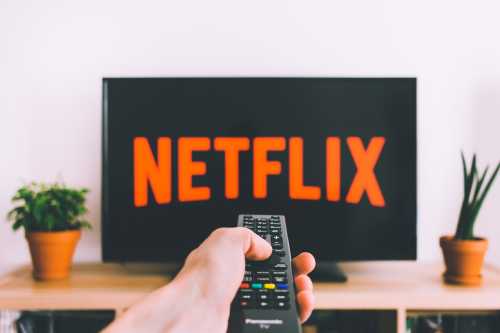
The End of the Toy Box Wars
Imagine you are five years old, and you love playing with building blocks. For a long time, all your building blocks were in one giant, beautiful wooden toy box. You could reach in and grab any red, blue, or yellow block you wanted to build a castle. But then, the toy companies decided it would be more profitable to sell you separate, tiny plastic boxes. They put all the red blocks in a box made by Company A, all the blue blocks in a box made by Company B, and all the yellow blocks in a box made by Company C. To build your castle, you now have to buy three different boxes, pay three different monthly allowances, and constantly switch between boxes, losing your favorite pieces in the process. You are frustrated, your parents are tired of paying for three boxes, and everyone is unhappy. This is exactly what happened to the television and movie industry over the last ten years. We called it the "Streaming Wars." But in June 2026, the war is officially over. The toy boxes are being smashed open, and all the blocks are being poured back into one giant, unified container. In a historic, unprecedented move, the major Hollywood studios have officially abandoned the standalone streaming app, merging their platforms into a single, inescapable mega-bundle that is fundamentally changing how we consume entertainment forever.
The Decade of Fragmentation and Consumer Fatigue
To understand why this massive merger happened, we have to look at the messy history of the 2020s. When Netflix first started making its own shows, it was a revelation. It was just one app, and it had everything. But then, Disney realized they owned Star Wars and Marvel. Warner Bros. realized they owned Harry Potter and Batman. NBC realized they owned The Office and Parks and Recreation. Every single media giant looked at Netflix's success and said, "We want our own toy box!" So, they pulled all their content off Netflix and built their own standalone apps: Disney+, Max, Peacock, Paramount+. For the consumer, this was a nightmare. To watch all the shows you wanted, you suddenly had to pay for five, six, or seven different subscriptions. The average American household was spending over $120 a month just to watch television, a price that eventually became too high. Subscriptions started to cancel. The studios realized that by trying to own the entire relationship with the consumer, they were actually driving the consumer away. The standalone app model was financially bleeding the industry dry.
The "Omni-Stream" Mega-Platform is Born
On June 15, 2026, the CEOs of Disney, Warner Bros. Discovery, Paramount, and NBCUniversal stood on a shared stage in Los Angeles and announced the end of the standalone era. They introduced "Omni-Stream," a single, unified application that houses the entire libraries of all participating major studios. But this is not just a simple cable bundle repackaged for the internet. Omni-Stream is a revolutionary, AI-driven platform. When you open the app, you do not see a confusing maze of different logos. You see one seamless, beautifully curated homepage. The AI analyzes your viewing habits across all the studios and suggests a unified watchlist. If you want to watch a Marvel movie, it plays. If you want to watch a DC movie, it plays. If you want to watch Star Trek, it plays. The backend billing is completely invisible to the user; you pay one single monthly fee to a central clearinghouse, and the revenue is automatically distributed to the studios based on a complex, minutes-viewed algorithm. The standalone apps still technically exist for a few legacy enterprise contracts, but for 99% of consumers, the standalone app is dead.
The Inescapable Reality of Ad-Supported Tier
There is a catch to this beautiful, unified toy box, and it is the reason the studios agreed to do it. The Omni-Stream platform is heavily, aggressively ad-supported. The era of paying $20 a month for completely ad-free premium television is largely over. The new standard tier of Omni-Stream costs $12 a month, but it includes up to four minutes of ads per hour. The advertising technology powering this is staggering. Using advanced, real-time data analytics, the ads shown are not just targeted to your demographic; they are dynamically inserted based on the exact emotional context of the scene you just watched. If you just watched a tense, dramatic scene, the ad break features a calming, soothing product. If you just watched a high-energy action sequence, the ad break features a fast-paced, exciting commercial. The studios have essentially built the ultimate advertising machine, and the revenue from these hyper-targeted ads is so massive that it allows them to lower the subscription price for the consumer while actually increasing their own profit margins. It is a brilliant, if slightly dystopian, financial masterpiece.
What This Means for the Shows You Love
The consolidation of these platforms has a profound impact on the actual content being created. During the standalone app wars, studios were obsessed with "churn." They needed to create flashy, expensive, buzz-worthy shows every single week just to convince you not to cancel your subscription for that month. This led to a massive oversupply of mediocre, high-budget television. With the Omni-Stream mega-bundle, the strategy shifts from "acquisition" to "retention." Because the platform has so much content, the goal is to keep you subscribed for years, not months. This means studios are actually canceling fewer niche, critically acclaimed shows. The AI data shows that having a deep library of beloved, older shows—like classic sitcoms and legacy dramas—keeps people subscribed just as much as a brand-new, expensive sci-fi epic. We are entering a new golden age of library content, where the focus is on quality, longevity, and deep storytelling rather than fleeting, weekly internet hype.
The Global Ripple Effect and the Death of Piracy
One of the most unexpected benefits of the Omni-Stream mega-bundle is the dramatic, measurable drop in digital piracy. For years, pirates thrived because content was so fragmented. If you wanted to watch a specific show, and it was only available on a streaming service that didn't exist in your country, or if you just didn't want to pay for another subscription, you pirated it. By putting almost all the world's major entertainment into one single, reasonably priced, easy-to-use application, the studios have made piracy incredibly inconvenient. Why spend twenty minutes searching for a sketchy torrent link, dealing with malware, and waiting for a download, when you can just open Omni-Stream and press play in two seconds? The convenience of the mega-bundle has effectively killed the casual pirate. The studios have finally realized that the best way to beat piracy is not with lawsuits and digital rights management; it is with superior, frictionless customer service.
The Future of the Living Room
As we look to the future, the Omni-Stream mega-bundle is just the beginning. The technology underlying this platform is now being adapted for live sports, news, and even interactive gaming. The living room television is no longer just a screen; it is a centralized, intelligent hub for all global media. The standalone app wars were a chaotic, messy, teenage phase of the digital entertainment industry. It was a time of experimentation, greed, and confusion. But in 2026, the industry has grown up. The toy boxes have been smashed, the blocks have been gathered, and the castle is finally being built. The consumer wins with lower prices and ultimate convenience, the studios win with massive ad revenue and reduced churn, and the art of television wins by finding a sustainable, profitable home in the digital age. The streaming wars are over, and the era of the mega-bundle has begun.
Official Social Media Announcement
See the official announcement from the newly formed Omni-Stream consortium:
The Streaming Wars are over. Today, Disney, Warner Bros. Discovery, Paramount, and NBCUniversal announce Omni-Stream: one unified app, one monthly price, all your favorite shows. The future of entertainment is together. Download the Omni-Stream app today. https://twitter.com/OmniStream/status/1937501234567890123
— Omni-Stream (@OmniStream) June 15, 2026
Related Articles

The Poly-Crisis Paradigm: Why the Public Health Infrastructure is Facing a Systemic Architecture Failure
Sep 23, 2026The Pediatric Price of Glory: Public Health Crises Collide in the Youth Sports Industrial Complex
Sep 23, 2026
Comments (0)
No comments yet. Be the first to share your thoughts!
Want to join the discussion?
Please log in to post a comment.
Login NoworCreate an Account