
The Great Unmasking: Why Millions of Americans Are Deleting Filters to Embrace the 'Raw and Real' Movement

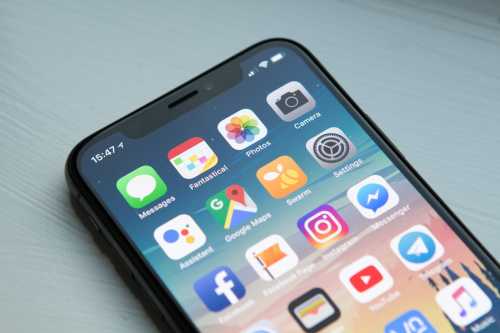
Taking Off the Digital Masks
Imagine you have a magical mirror in your bedroom. When you look into it, it does not just show you exactly as you are. Instead, it smooths out your skin, makes your eyes look a little bigger, changes the color of your hair, and even puts a beautiful, sunny beach in the background behind you. For a long time, looking into this magical mirror was the most fun thing in the world. Everyone wanted to look like their mirror reflection. But after a while, you start to realize something very important: the person in the mirror is not really you. It is a painting of you. And deep down, you miss your real freckles, your real smile, and your real, messy bedroom. This is exactly what is happening across the United States right now in the world of social media. Millions of young people, and even adults, are turning off the magical mirrors. They are deleting the filters, stopping the use of artificial intelligence that pretends to be them, and showing the world their real, unedited, beautifully imperfect lives. This massive shift is being called the 'Raw and Real' movement, and it is changing the internet forever. Let us explore this wonderful, brave trend, explaining how the internet works and why being yourself is the most powerful thing you can do, told with the deep respect of a journalist who has watched the digital world grow up.
To understand why this movement is so incredibly important, you first need to know how social media apps like Instagram and TikTok used to work. Think of these apps like giant, global school hallways. When you walk down the hallway, you want to look your best. You wear your nicest clothes, you fix your hair, and you only show people the things you are most proud of, like a gold star on a test or a new toy. On the internet, people did the same thing. They used special computer codes, called filters, to change how they looked in videos and pictures. If they had a bad hair day, the filter fixed it. If they were tired, the filter made them look awake. For many years, this was the rule of the hallway: you had to look perfect, or people would not pay attention to you. The computer programs, called algorithms, which decide what videos get shown to millions of people, only picked the videos that looked the most perfect and shiny.
But there was a hidden problem with this perfect hallway. When everyone only shows their shiny, perfect mirror reflections, the people watching start to feel very sad. They look at their own faces in the real, non-magical mirror, and they think, 'Why do I not look like that? Why is my skin not perfectly smooth? Why is my life not as exciting as the beach in their background?' This feeling is called comparing yourself to others, and it makes a lot of people feel anxious and unhappy. Scientists and doctors started to notice that young people were feeling more stressed than ever before, all because they were trying to live up to a fake, digital painting. The internet had become a place of masks, where no one showed their true face.
Then, in the spring of 2026, a brave group of creators decided they had enough. They started posting videos where they did something completely shocking: they showed their real lives. They posted videos of their messy rooms, their acne, their failed cooking attempts, and their sad days. They turned off the magical mirrors. One of the first major videos was posted by a young woman from Ohio. She sat in front of her camera, no makeup on, with her hair in a messy bun, and she simply talked about how tired she was feeling. She did not use a filter. She did not use a script. She just spoke from her heart. That simple, honest video was watched fifty million times in three days. People in the comments were crying tears of joy. They wrote things like, 'Thank you for showing me I am not the only one who feels this way,' and 'You look so beautiful just being yourself.'
This single video sparked a wildfire. The 'Raw and Real' movement was born. It spread across the country faster than a rumor in a cafeteria. Suddenly, the biggest stars on the internet were posting unedited photos. They were showing their stretch marks, their scars, and their bad moods. They were explaining that real life is not a highlight reel; it is a long, bumpy road with potholes and puddles. The movement is not just about taking off makeup; it is about taking off the pressure to be perfect. It is a giant, collective sigh of relief. It is millions of people saying, 'I am enough, exactly as I am.'
The technology companies that run these apps noticed the shift immediately. For years, their computer algorithms only rewarded the shiny, perfect videos. But the algorithms are like giant sponges; they soak up what the people want. When the people started clicking on, liking, and sharing the 'Raw and Real' videos, the algorithms changed their minds. The computer programs realized that authenticity, which means being true to who you really are, was the new shiny thing. The apps started pushing these honest videos to the top of the screen. They even introduced new tools that label when a photo has been heavily changed by artificial intelligence, so the viewers know if they are looking at a real person or a computer painting. This helps people keep their feet planted in reality.
The impact of this movement on the business world has been equally amazing. Big companies that sell clothes, makeup, and food used to only hire models who looked like they stepped out of the magical mirror. They wanted their advertisements to look perfect. But now, the customers are demanding reality. If a company posts a picture of a model with perfectly smooth, glowing skin, the comments section fills up with people asking, 'Is that a filter? Show us the real skin!' To survive, the companies are changing their ways. They are hiring regular people, people with different body types, different skin colors, and different abilities, to be the faces of their brands. They are showing the clothes wrinkled, because real clothes get wrinkled when you sit down. They are showing the food being eaten, because real food gets messy. This is called authentic marketing, and it is making people trust the companies much more.
Psychologists, who are doctors that help people understand their feelings and brains, are absolutely thrilled about this trend. They explain that human beings are wired to connect with other human beings. We are not wired to connect with computer screens and perfect paintings. When we see someone being vulnerable, which means showing their soft, sensitive, and true feelings, our brains release a chemical called oxytocin. Oxytocin is the 'bonding chemical.' It makes us feel safe, loved, and connected to the other person. By sharing their real, messy lives, the creators of the 'Raw and Real' movement are literally chemically bonding with their audience. They are building a giant, supportive family across the internet, where everyone accepts each other for who they are, not for how they look in a magical mirror.
Of course, changing a whole culture is not easy. There are still people who feel pressured to look perfect. There are still mean comments from people who have not learned how to be kind yet. But the tide has turned. The water is flowing in a new direction. Young children who are just now getting their first phones are growing up in a world where 'raw and real' is the standard. They are learning that it is okay to make mistakes, that it is okay to have a bad day, and that their worth is not measured by how many 'likes' they get on a perfectly edited photo. They are learning that their true face, with all its unique and wonderful quirks, is the most beautiful face of all.
As we look at the internet in the summer of 2026, it feels different. It feels lighter. It feels more human. The giant, global school hallway is still there, but people are no longer just showing off their gold stars. They are showing their scraped knees, their doodled notebooks, and their genuine, unfiltered smiles. They are proving that while a magical mirror can make you look perfect for a second, being your true, authentic self is what makes you shine for a lifetime. The USA Today technology desk will continue to monitor this beautiful evolution, reminding us that the best filter you can ever use is simply your own, honest heart.
The era of perfection is over. ???????? The #RawAndReal movement is taking over our feeds, and we are here for the unfiltered, messy, beautiful truth. Drop a ???? if you are showing up as your authentic self today! #RawAndReal#DigitalAuthenticity
— TikTok Newsroom (@TikTokNewsroom) June 29, 2026
So, the next time you pick up your phone to take a picture, think about the magical mirror. Think about whether you want to show the world a painting, or whether you want to show them the beautiful, real masterpiece that is you. Remember the millions of people across America who have bravely taken off their masks, and let their true faces shine in the sun. It is a wonderful, liberating story of self-love, of digital honesty, and of the beautiful, messy reality of being human.
Related Articles
The Syndication of Synthetic Reality: How Tech Cartels and Sovereign Wealth are Rewiring Global Entertainment
Aug 14, 2026
The Great Algorithmic Bifurcation: How TikTok’s 70% Mandate and Instagram’s Metadata Guillotine Are Rewriting the Creator Economy
Aug 14, 2026
Comments (0)
No comments yet. Be the first to share your thoughts!
Want to join the discussion?
Please log in to post a comment.
Login NoworCreate an Account