
The NHS Backlog Blitz: How Community Hubs are Rescuing the British Healthcare System

London, England — Imagine you live in a beautiful, old, giant house. This house has been around for a very, very long time, and it takes care of everyone in the neighborhood. But one day, a massive storm hits, and the roof starts leaking in a hundred different places. Water is dripping into the bedrooms, the kitchen, and the living room. The problem is, the house only has one giant bucket to catch the water, and that bucket is located all the way up in the highest, hardest-to-reach attic. To get a cup of water out of the house, you have to climb all those stairs, wait in a long line, and hope the giant bucket is not completely full. This is exactly what the National Health Service, or NHS, has been experiencing over the past few years. The giant bucket in the attic represents the massive, central hospitals, and the leaking roof represents the millions of people needing scans, tests, and minor surgeries. The hospitals became so overwhelmed that patients were waiting in lines for months, sometimes even years, just to get a simple scan. But today, a brilliant, historic new healthcare policy is changing the architecture of the house. The NHS is no longer relying on the giant bucket in the attic; they are placing hundreds of small, super-fast buckets in every single neighborhood, clearing the backlog and saving lives.
To understand why this policy shift is so incredibly important, we have to look at the sheer scale of the NHS waiting list. After the global pandemic, the number of people needing medical help in the UK skyrocketed. People had put off going to the doctor for years, and when they finally did, the system was completely gridlocked. The central hospitals were full to bursting. Beds were occupied, operating theaters were running twenty-four seven, and yet, millions of people were still stuck at home, in pain, unable to work, and unable to live their lives. The traditional way of fixing this was to just build more giant hospitals or add more beds to the existing ones. But building a massive hospital takes ten years and billions of pounds. The UK did not have ten years; people needed help right now. The government and the NHS leaders had to think completely outside the box. They realized that if they could not bring the patients to the giant hospitals faster, they had to bring the hospitals to the patients.
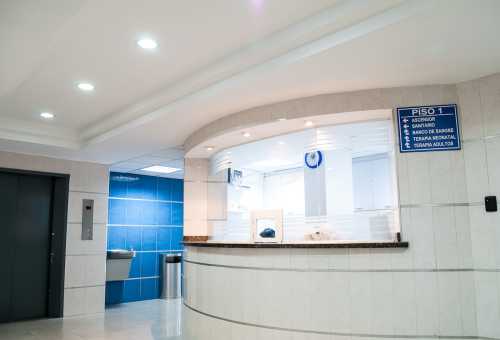
The Neighborhood Solution: Instead of making patients travel to massive, overwhelmed central hospitals for routine scans and minor surgeries, the NHS is opening hundreds of Community Diagnostic and Surgical Hubs right in local neighborhoods, bringing the care directly to the people.
This is where the magic of the Community Diagnostic Centres, or CDCs, and the Surgical Hubs comes in. The policy, fully accelerated and funded as of mid-2026, involves taking over empty retail spaces, old office buildings, and even shopping center units in local high streets across the country. They are transforming these ordinary buildings into state-of-the-art, miniature hospitals. These community hubs are equipped with the exact same high-tech MRI scanners, CT scanners, and X-ray machines that you would find in a giant central hospital. But because they are located in the community, they are incredibly easy to get to. You can take a local bus, or even walk. They do not have the chaotic, stressful environment of a massive emergency room. They are calm, clean, and focused entirely on getting you scanned and sent home quickly. By moving millions of routine scans out of the central hospitals, the giant hospitals are finally freed up to focus on the most critical, life-threatening emergencies. It is a beautiful, elegant division of labor that is clearing the backlog at a record-breaking pace.
Let us talk about what this means for a real person. Imagine a woman named Sarah. Sarah is forty-five years old, and she has been having terrible, sharp pains in her knee for six months. She cannot walk up the stairs at work, and she has to stop playing football with her son on the weekends. Under the old system, Sarah would go to her local doctor, get a referral, and then wait eight months for an MRI at the central city hospital. Eight months of pain, eight months of missing work, eight months of misery. But under the new community hub policy, Sarah goes to a bright, modern clinic that opened up in an old bank building just two miles from her house. She gets her appointment in two weeks. The scan takes thirty minutes, the doctors use advanced AI to read the images immediately, and she gets a treatment plan the very next day. Sarah is back on her feet, back at work, and back to playing with her son. The policy did not just fix her knee; it saved her job, her income, and her happiness.
More Than Just Healthcare: By getting people scanned and treated faster, the community hubs are not just improving health; they are keeping people in the workforce, reducing disability claims, and boosting the entire national economy.
The economic impact of this decentralized healthcare policy is absolutely profound. When people are stuck on a waiting list for a surgery or a scan, they cannot work. They go on sick leave, which costs their employers money, and they often have to claim government benefits, which costs the taxpayer money. It is a massive, invisible drain on the country's wealth. By clearing the backlog through these community hubs, the NHS is essentially acting as an engine for economic recovery. Every person who gets their hip replaced in a local surgical hub, rather than waiting a year in pain, goes back to work and pays taxes instead of collecting benefits. Economists estimate that for every pound the government spends on these community hubs, they get three pounds back in economic productivity. It is one of the smartest financial investments the UK could possibly make.
Furthermore, this policy is tackling the deep, historical inequalities in British healthcare. For decades, if you lived in a wealthy neighborhood near a famous, well-funded teaching hospital, you got fast care. If you lived in a rural village, or in a deprived inner-city area, you waited much longer. The community hub policy deliberately targets these "healthcare deserts." The government is placing these new diagnostic centers in the exact postcodes where the waiting lists are the longest and the health outcomes are the worst. They are using mobile scanning vans—literally giant trucks equipped with MRI machines—that park in the shopping centers of the most underserved towns. This ensures that the quality of your healthcare is determined by your need, not by your zip code. It is a massive step toward true health equity, ensuring that the NHS lives up to its founding promise of care for all, based on clinical need, not the ability to pay or the luck of geography.
Naturally, rolling out hundreds of new clinics across the country requires a massive workforce. The policy includes a historic recruitment drive for radiographers, sonographers, and community nurses. The government is funding thousands of new training apprenticeships, allowing young people to earn a salary while they learn to operate these life-saving machines. This is creating a whole new generation of highly skilled, well-paid healthcare professionals who are rooted in their local communities. It is a beautiful synergy: the policy is fixing the healthcare backlog while simultaneously creating thousands of good, stable, green jobs for the future. It is investing in the physical health of the nation while investing in the economic health of the workforce.
As we look at the broader picture, this shift toward community-based care is the future of the NHS. The giant, central hospitals will always be needed for complex trauma, major organ transplants, and intensive care. But for the millions of routine diagnostics, minor surgeries, and chronic disease management, the future is local, accessible, and integrated into the community. The government is also linking these hubs with local pharmacies and social care providers, creating a seamless web of support. If you get a scan at the community hub and need a new medication, the prescription is sent directly to the pharmacy next door. If you need help getting home, a community care worker is arranged on the spot. It is a holistic, wrap-around approach to health that treats the patient as a whole person, not just a set of symptoms.
In the end, the NHS Backlog Blitz and the rollout of Community Diagnostic and Surgical Hubs is a story of innovation, resilience, and deep compassion. It is a recognition that a healthcare system built for the 20th century needs to be radically reimagined for the 21st century. By taking the care out of the overwhelming, distant attic and bringing it down into the bright, accessible neighborhoods, the NHS is healing not just the bodies of its patients, but the very fabric of the communities they live in. The giant house is still standing, but now, every single room has its own bucket, and the leaks are being fixed faster than ever before. The waiting lists are shrinking, the pain is easing, and the great British public is finally getting the swift, world-class care they deserve, right on their own doorstep. It is a triumph of policy, a victory for the people, and a shining beacon of what a publicly funded healthcare system can achieve when it adapts, evolves, and puts the patient first.
Official Statement
Our plan to get the NHS fit for the future is working. ???? By opening more Community Diagnostic Hubs and bringing care closer to home, we've cleared record numbers of the backlog. Faster scans, faster treatment, closer to home. ????????❤️ https://t.co/NHSCommunityHubs
— NHS England (@NHSEngland) June 22, 2026
Related Articles

The Architecture of Extraction: How Regulatory Whiplash is Dismantling the Creator Economy
Sep 22, 2026![[The End of the Vanity Metric: How FTC Crackdowns and AI Are Rewiring the Influencer Economy]](https://www.crimaz.com/assets/images/no-image.jpg)
[The End of the Vanity Metric: How FTC Crackdowns and AI Are Rewiring the Influencer Economy]
Sep 22, 2026
Comments (0)
No comments yet. Be the first to share your thoughts!
Want to join the discussion?
Please log in to post a comment.
Login NoworCreate an Account