
The Public Health Poly-Crisis: How Zoonotic Spillover, GLP-1 Disruption, and AMR Expose Systemic Fragility

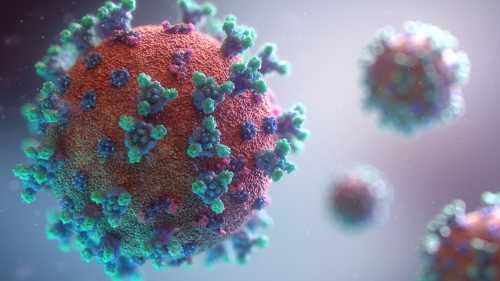
Like a municipal water system that simultaneously faces a toxic chemical spill, a sudden surge in demand, and crumbling pipes, the global public health apparatus in 2026 is confronting a poly-crisis that exposes the profound fragility of our epidemiological defenses. The facade of routine disease management obscures a foundational crisis in surveillance, pharmacological equity, and microbial resistance that threatens the entire healthcare ecosystem.
The Poly-Crisis Paradigm
The World Health Organization continues to monitor multi-country mpox outbreaks alongside sporadic but persistent H5N1 avian influenza human cases, signaling sustained zoonotic pressure www.who.int . Concurrently, the rapid proliferation of GLP-1 receptor agonists is fundamentally reshaping chronic disease management, while the WHO has adopted an updated Global Action Plan on Antimicrobial Resistance (2026–2036) to combat escalating drug-resistant pathogens www.who.int . These are not isolated events; they are compounding stressors testing the limits of global health infrastructure.
The Zoonotic Pressure Cooker
Mainstream media treats mpox and H5N1 as isolated infectious disease events, ignoring the systemic erosion of zoonotic surveillance. The persistence of H5N1 in mammalian hosts, including recent human cases linked to dairy exposure in the United States, signals a dangerous, ongoing adaptation of the virus repository.netecweb.org . Similarly, the latest mpox situation report highlights sustained transmission across multiple WHO regions, continuously straining localized contact-tracing resources www.who.int . The unseen implication is not merely the threat of a single pandemic, but the compounding fatigue of public health workforces. These professionals are forced to manage endemic zoonotic spillover with pandemic-level vigilance, systematically diverting critical resources away from routine immunization and chronic disease management.
The Pharmacological Paradigm Shift
The explosion of GLP-1 receptor agonists represents a tectonic shift in public health, yet the discourse remains fixated on corporate profit margins rather than population-level epidemiological consequences. In the U.S., GLP-1 usage for weight loss has reached 11% of adults, fundamentally altering the projected trajectory of obesity-related comorbidities like type 2 diabetes and cardiovascular disease news.gallup.com . However, this creates a secondary public health crisis: supply-chain constraints and prohibitive costs are exacerbating health inequities. As state Medicaid programs oscillate on coverage due to budgetary pressures, lower-income populations are left reliant on outdated, less effective interventions www.kff.org . The healthcare system is inadvertently bifurcating into a two-tier model of metabolic health.
"GLP-1 receptor agonists have revolutionized obesity management, yet high costs, limited production capacity, and supply-chain constraints have created a profound access disparity that threatens to widen existing health inequities," noted a recent analysis in The Lancet www.facebook.com .
The Innovation Dividend
Critics argue that the rapid adoption of GLP-1 medications represents an unsustainable pharmacological band-aid that distracts from foundational public health investments in nutrition and physical activity infrastructure. However, this perspective underestimates the biological complexity of obesity. Primary research indicates that GLP-1 therapies are comparably effective across diverse demographics, with women losing an average of 11% of starting weight compared to 7% in men, demonstrating a robust, scalable clinical efficacy that lifestyle interventions alone have historically failed to achieve at a population level publichealth.jhu.edu . Dismissing these agents as mere temporary fixes ignores their proven capacity to reduce major cardiovascular events, offering a legitimate, evidence-based tool to blunt the long-term burden on hospital systems nam.edu .
The Silent Pandemic of Antimicrobial Resistance
While zoonotic viruses and weight-loss drugs dominate headlines, antimicrobial resistance (AMR) continues its unchecked ascent, functioning as a silent pandemic that undermines a century of medical progress. The WHO’s adoption of the updated Global Action Plan on AMR (2026–2036) is a necessary bureaucratic step, but it masks a grim reality: the effectiveness of first-line treatments is increasingly compromised globally www.cidrap.umn.edu . The proliferation of resistant pathogens in both community and healthcare settings means that routine surgeries, chemotherapy, and childbirth are reverting to high-risk procedures. The economic and mortality burden is disproportionately concentrated in low- and middle-income countries, yet the global pharmaceutical pipeline for novel anti-infectives remains critically underfunded pmc.ncbi.nlm.nih.gov .
According to the 2026 Antimicrobial Resistance Benchmark by the Access to Medicine Foundation, despite heightened awareness, "the pharmaceutical industry’s efforts to combat drug resistance and ensure equitable access to new anti-infectives remain fragmented and insufficient to meet global demand" accesstomedicinefoundation.org .
Echoes of the 2009 Inflection Point
The current poly-crisis mirrors the 2009 H1N1 influenza pandemic, not in its sheer mortality rate, but in its stark exposure of systemic surveillance and supply chain vulnerabilities. In 2009, the global response was severely hampered by fragmented data sharing, acute vaccine production bottlenecks, and a rapidly deteriorating public trust deficit. We are witnessing a modern, more complex echo of this dynamic. The current mpox and H5N1 responses are similarly hindered by uneven genomic sequencing capabilities across different WHO regions and the geopolitical hoarding of medical countermeasures by high-income nations. The historical lesson is unequivocal: reactive pandemic preparedness is both a fiscal and epidemiological failure. The aftermath of 2009 taught the global health community that resilient public health requires permanent, flexible funding mechanisms and decentralized manufacturing capabilities. Yet, as the 2026 data demonstrates, these lessons remain only partially implemented.
The Illusion of Administrative Resilience
Some public health officials contend that the confirmation of new leadership at the CDC and the establishment of weekly, transparent epidemiological reporting demonstrate a robust, modernized public health infrastructure ready to handle these threats www.apha.org . Yet, this optimism conflates administrative reshuffling with operational capacity. The reality is that local health departments remain chronically underfunded, relying on ephemeral grant cycles rather than sustained baseline funding. A change in federal leadership does not automatically translate to enhanced contact-tracing capabilities or improved community-level health literacy, leaving the front lines vulnerable to the next acute shock.
A recent study in Nature Medicine evaluating antimicrobial resistance governance across 193 countries concluded that "the effectiveness of national action plans remains highly uncertain, with significant gaps in implementation and financing that render many strategies purely performative" www.nature.com .
Strategic Imperatives for Stakeholders
Local health departments: The immediate operational imperative is to integrate zoonotic surveillance data directly with human health metrics, forcibly breaking down the archaic silos between veterinary and public health agencies.
Hospital systems: Formulary committees must develop equitable, tiered access protocols for GLP-1 medications to prevent the exacerbation of metabolic health disparities among marginalized populations.
National policymakers: The strategic focus must pivot from reactionary, emergency outbreak funding to sustained, baseline appropriations for antimicrobial stewardship programs and the domestic manufacturing of essential medical countermeasures.
Citizens: The most effective immediate action is to prioritize foundational preventive care, including routine immunizations, to reduce the baseline morbidity burden on an already strained healthcare ecosystem.
The 2027 Horizon
Within six months, the public health landscape will face a critical stress test. We will likely see at least one localized, high-mortality cluster of H5N1 or a novel mpox clade that triggers a disproportionate media panic, exposing the continued fragility of global supply chains. Simultaneously, the financial unsustainability of widespread GLP-1 coverage will force at least two major national health systems to implement strict, outcome-based prescribing restrictions, sparking intense ethical debates over healthcare rationing. The AMR crisis will worsen, with a notable increase in hospital-acquired resistant infections, finally forcing the WHO to declare AMR a formal, standing global health emergency distinct from pandemic influenza. The era of treating public health as a reactive emergency service is ending; the transition to a proactive, resilient infrastructure is no longer optional, but an existential necessity.
Related Articles

The Silent Corrosion: How Fragmented Funding and Emerging Pathogens Are Reshaping Public Health
Aug 18, 2026
The August Defensive Collapse: How CDC Leadership Shifts and Fragmented Vaccine Policies Reprice Public Health Security
Aug 17, 2026
Comments (0)
No comments yet. Be the first to share your thoughts!
Want to join the discussion?
Please log in to post a comment.
Login NoworCreate an Account