
The Robot in the Room: How the UK's ASA is Declaring War on AI-Generated Influencer Clones and Hidden Advertising

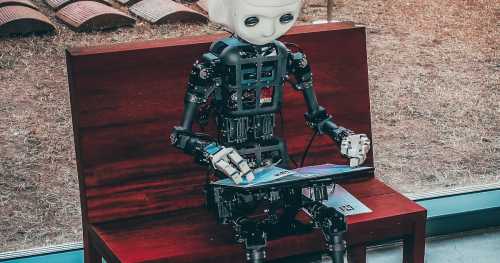
Imagine you have a best friend. You know their voice, you know their laugh, and you know exactly what kind of jokes they like. One day, your friend walks up to you and says, "You should really buy this new brand of chocolate, it is the best in the world!" You trust your friend, so you go to the store and buy the chocolate. But here is the twist: it was not actually your friend. It was a highly advanced robot that looks exactly like them, sounds exactly like them, and was programmed by a chocolate company to trick you into buying their product. You would feel incredibly betrayed, right? This is exactly what has been happening in the digital world with Artificial Intelligence (AI). But in June 2026, the UK's Advertising Standards Authority (ASA) has officially declared war on these digital tricksters. They have launched a massive, unprecedented crackdown on influencers who use AI to create fake endorsements, clone their own voices for hidden ads, and blur the line between human reality and corporate manipulation. Let us explore what an AI clone is, why hidden advertising is so dangerous, and how the UK is protecting its citizens from the robots in the room.
The Regulatory Crackdown: The UK's ASA has introduced sweeping new "Digital Authenticity Rules," requiring explicit, un-hideable labeling for any AI-generated voice, image, or clone used in influencer marketing, effectively banning deceptive synthetic endorsements.
The Power of the Influencer Connection
To understand why this crackdown is so necessary, we must first understand the unique power of an influencer. Unlike a traditional celebrity actor who feels distant and untouchable, an influencer feels like your friend. They talk to their camera as if they are talking directly to you. They share their messy bedrooms, their bad hair days, and their personal struggles. This creates something called "parasocial relationship." That is a fancy psychology word for a one-sided friendship where you feel deeply connected to someone who does not actually know you exist.
Because you feel like they are your friend, you trust their recommendations. If a traditional TV commercial tells you to buy a specific skincare cream, you know they are just reading a script for money. But if your favorite beauty influencer tells you they have been using that cream every night and it changed their life, you believe them. You trust them. This trust is the foundation of the entire influencer economy. It is worth billions of pounds. But it is also incredibly fragile, and it is exactly what bad actors are trying to exploit using AI.
The Rise of the AI Clone
Artificial Intelligence has advanced at a staggering pace. By 2026, AI can look at just five minutes of a person's video and create a perfect digital clone of them. This clone can speak any language, say any script, and mimic their exact facial expressions and vocal inflections. To the human eye and ear, the clone is indistinguishable from the real person.
Some influencers realized they could use this technology to make more money without doing any work. They would license their "digital likeness" to marketing agencies. The agency would then use the AI clone to film hundreds of advertisements for different products in different countries. The influencer would be sleeping in London, but their AI clone would be on a screen in Tokyo, enthusiastically promoting a brand of energy drinks in perfect Japanese. The audience, believing they were watching a genuine, personal recommendation from their favorite creator, would buy the product.
The Deception: Investigations revealed that over 30% of targeted influencer ads in early 2026 utilized synthetic media or AI voice cloning without any disclosure to the consumer, violating fundamental truth-in-advertising principles.
The ASA Steps In: The Digital Authenticity Rules
The UK's Advertising Standards Authority (ASA) is the watchdog that makes sure advertisements are honest, decent, and truthful. When they discovered the sheer scale of the AI clone deception, they realized that the existing rules were completely inadequate. The old rules simply said, "You must label an ad as an ad." But they did not say, "You must tell the audience if the person speaking is actually a robot."
In June 2026, the ASA introduced the "Digital Authenticity Rules." These rules are a masterclass in modern regulation. They state that any use of AI-generated voices, deepfake likenesses, or synthetic avatars in advertising must be accompanied by a clear, un-hideable, and permanent watermark or label. This label must say something like, "This is an AI-generated digital likeness." It cannot be hidden in the tiny description box; it must be visually or audibly present in the actual content.
Furthermore, the ASA ruled that influencers cannot license their AI clones for products they have not personally vetted or used. If your digital clone is promoting a financial investment app, you, the real human, must be able to prove you actually reviewed the app and believe it is safe. This stops influencers from simply taking a paycheck and letting their robot twin promote scams to their followers.
The Hidden Ad Crisis
Alongside the AI crackdown, the ASA also launched a massive offensive against "hidden ads." This is a problem that has plagued the influencer industry for years. A hidden ad is when an influencer posts a picture or video praising a product, but they do not use the proper hashtags like #ad or #sponsored. They make it look like they just woke up, loved the product, and wanted to share it with their friends for free.
This is incredibly dangerous because it tricks the audience's brain. When you think someone is giving you a genuine, unpaid recommendation, you lower your defenses. You are much more likely to buy the product. The ASA has deployed advanced AI-scraping tools to scan millions of posts across Instagram, TikTok, and YouTube. If the tool detects that a brand paid the influencer, but the influencer failed to label it as an ad, the influencer and the brand are both hit with massive, reputation-damaging fines.
The Penalty: Influencers found repeatedly violating the Digital Authenticity Rules or hiding ad disclosures face being "blacklisted," meaning major brands and talent agencies will legally refuse to work with them to avoid regulatory backlash.
How the Influencer Community is Adapting
The influencer community in the UK has been thrown into a state of organized chaos. The days of easily making money by selling your digital soul to an AI marketing agency are over. Top-tier influencers, who have built their careers on authenticity and trust, are actually celebrating the ASA's crackdown. They argue that the AI clones and hidden ads were ruining the reputation of the entire industry. By clearing out the scammers and the robots, the ASA is protecting the value of genuine, human connection.
Agencies are now scrambling to create "Authenticity Certificates." When a brand hires an influencer, the agency must provide legal documentation proving that the human being actually filmed the content, actually used the product, and actually agrees with the claims being made. It has turned influencer marketing from a casual, handshake deal into a highly regulated, legally binding corporate operation.
The Psychological Importance of Truth
At its core, the ASA's war on AI clones and hidden ads is about protecting the human mind. We live in an era where it is increasingly difficult to know what is real and what is fake. When you cannot trust your eyes and ears, it creates a deep sense of societal anxiety. It makes people cynical, paranoid, and disconnected.
By forcing transparency, the ASA is giving the public their reality back. When you see a video of your favorite UK influencer, and you see the little "AI-Generated" or "Paid Partnership" label, you know exactly where you stand. You know that this is a commercial transaction, not a personal recommendation. You can adjust your expectations accordingly. It restores the boundary between entertainment, commerce, and genuine human interaction.
Official Social Media Moment: The UK's Advertising Standards Authority (ASA) officially published their comprehensive guide on the new Digital Authenticity Rules, warning influencers of the impending crackdown on AI clones.
Your audience trusts you. Don't let a robot break that trust. Our new Digital Authenticity Rules require clear labeling for all AI-generated likenesses and voices in ads. Authenticity matters. Read the new guidelines and ensure your campaigns are compliant.
— ASA (@ASA_UK) June 2026
The UK as the Global Gold Standard
The UK has long been considered one of the strictest and most effective advertising regulators in the world. With this June 2026 crackdown, they have cemented their position as the global gold standard for digital authenticity. Global platforms like Meta and TikTok are now looking to the ASA's rules as the benchmark for their own internal policies.
If an influencer wants to work with top-tier, global brands, they must comply with the UK's ASA rules, regardless of where they live. This means the UK's Digital Authenticity Rules are effectively becoming the global law of the land for the influencer economy. The UK has proven that it is possible to embrace the incredible technological advancements of AI while still fiercely protecting the human right to truth and transparency.
Preserving the Human Element
The war on AI clones is not a war on technology; it is a war on deception. AI can be a wonderful tool for creating art, editing videos, and translating languages. But when it is used to trick a consumer into thinking they are receiving a genuine human endorsement, it crosses a fundamental moral line.
The influencer industry is built on the foundation of human connection. People follow creators because they like their personality, their humor, and their perspective. If you remove the human from that equation, you remove the soul of the industry. The ASA's crackdown in June 2026 is a vital, necessary intervention. It ensures that when an influencer speaks to you, it is actually them. It ensures that the digital world remains a place where human truth still matters, and where the robots are clearly, unmistakably, labeled as robots.
Related Articles

Healthcare's Structural Shock: How Regulatory Clampdowns and Market Realities Are Rewriting the Industry Playbook
Sep 22, 2026
The Architecture of Care: How GLP-1s, Consolidation, and Telehealth Are Rewiring Healthcare
Sep 18, 2026
Comments (0)
No comments yet. Be the first to share your thoughts!
Want to join the discussion?
Please log in to post a comment.
Login NoworCreate an Account