
The Royal Slumber: The Massive Trend of Sleeping in Ancient British Castles and Historic Landmarks

Sleeping Inside a Giant Stone Time Machine
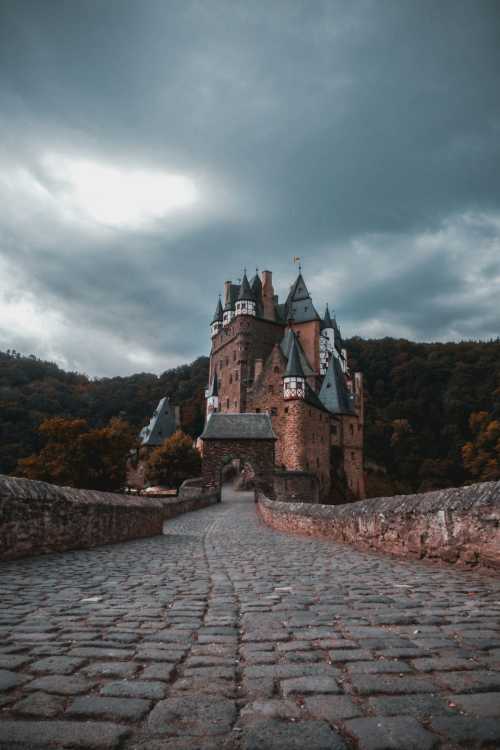
Imagine you are reading a wonderful, thick storybook about brave knights, wise kings, and grand banquets. The pages are filled with descriptions of giant, stone castles sitting on top of green hills, surrounded by deep, watery moats. You trace the pictures with your finger, wishing you could step inside the book and see what it feels like to live in such a magnificent, mysterious place. Well, on a misty, magical Wednesday in late June 2026, a dream that has captivated the imagination of the United Kingdom has officially become the biggest travel trend in the world. The National Trust and Historic England have opened the doors to hundreds of ancient castles, manor houses, and historic landmarks for people to actually sleep in. This is not a modern hotel built to look old; this is the real thing. You are sleeping in the exact same stone rooms, walking on the exact same creaky wooden floorboards, and looking out the exact same arrow-slit windows that people have slept in for over eight hundred years. Let us explore this wonderful, time-traveling trend, explaining the history of these giant stone buildings, the psychology of sleeping in history, and the magic of the British countryside, told with the elegant, poetic grace of a master travel journalist.
To understand why this trend is so incredibly special, you first need to understand what a castle actually is. A castle is not just a house made of stone; it is a giant, defensive fortress built to keep people out. The walls are ten feet thick, designed to stop arrows and catapults. The windows are narrow slits, designed to let archers shoot out while keeping enemies from getting in. For centuries, these buildings were cold, dark, and strictly for survival and warfare. But as time went on, the wars ended, and the castles became grand estates for lords and ladies. They added massive fireplaces, beautiful tapestries to keep the wind out, and giant, four-poster beds with thick velvet curtains. Today, these buildings are preserved as museums. During the day, thousands of tourists walk through them, taking pictures and listening to audio guides. But when the sun goes down and the last tour bus leaves, the castles become completely empty, silent, and deeply atmospheric. For a long time, they just sat in the dark, waiting for the next morning.
The new 'Sleep in History' initiative changes all of that. The heritage organizations realized that to truly understand a historic building, you cannot just look at it for two hours in the bright daylight. You have to experience it in the quiet of the night. You have to hear the wind howling around the stone towers. You have to see the moonlight casting long, spooky shadows across the great hall. You have to feel the deep, heavy silence of a room that has stood for a millennium. So, they carefully converted the old servant quarters, the gatehouses, and the unused wings of the manors into beautiful, comfortable, but historically accurate bedrooms. They kept the original stone walls and the wooden beams, but they added modern, hidden heating, incredibly soft mattresses, and luxurious bathrooms. It is the perfect blend of ancient romance and modern comfort.
The trend has absolutely exploded on social media and in the travel industry. People are not just booking a room; they are booking an experience. They want to wrap themselves in a heavy, woolen blanket, sit by a roaring fire in a giant stone hearth, and drink a cup of hot tea while listening to the rain tap against the leaded glass windows. They want to feel a tiny, thrilling shiver of the 'ghost story' atmosphere, knowing that they are sleeping in a room where a queen might have rested five hundred years ago. It taps into a deep human desire to connect with the past, to feel like we are part of a long, continuous story that stretches back through the centuries.
To see the true magic of this trend, let us talk about a young couple, Liam and Emma, who live in a busy, noisy, modern apartment in London. They work long hours staring at computer screens, and their life feels very fast and very digital. For their anniversary, they decided to book a night in a 14th-century gatehouse in the rolling green hills of Yorkshire. When they arrived, the sun was setting, painting the ancient stone walls in shades of gold and pink. The heavy oak door creaked open, and they stepped inside. The air smelled of beeswax, old wood, and a faint, sweet hint of woodsmoke from the chimney.
Their room was in the highest tower. The ceiling was vaulted stone, and the floor was covered in thick, hand-woven rugs. There was no television, and there was no Wi-Fi signal. The only light came from the flickering flames in the fireplace and a few beautifully crafted brass lamps. That night, as they lay in their massive bed, listening to the absolute, profound silence of the countryside, they felt something they had not felt in years: true, deep peace. The thick stone walls blocked out the noise of the modern world completely. They felt safe, enclosed, and wrapped in history. The next morning, they woke up to the sound of birds singing and the smell of a full English breakfast cooking in the grand kitchen downstairs. They said it was the most restful, magical night of their lives. It felt like they had stepped out of time.
The economic impact of the 'Sleep in History' trend is a massive blessing for the rural communities of the UK. Many of these castles and manors are incredibly expensive to maintain. The roofs need constant repairing, the stonework needs special care, and the gardens need teams of gardeners. By opening them up for overnight stays, the heritage organizations generate millions of pounds in revenue that goes directly back into the preservation of the buildings. Furthermore, the guests do not just sleep and leave. They eat at the local village pubs, they buy souvenirs from the local artisans, and they hire local guides to take them hiking in the surrounding hills. The trend is breathing vibrant, economic life into small, historic villages that might otherwise struggle to survive in the modern economy.
The architectural and historical preservation aspects are equally fascinating. By allowing people to sleep in these buildings, the organizations are ensuring that the buildings remain 'alive.' A house that is lived in, even occasionally, is kept in much better condition than a house that is sealed up and empty. The gentle heat from the guests, the circulation of air, and the constant, loving maintenance required to host them keep the dampness and the decay at bay. The trend is literally saving the architectural heritage of the nation, one cozy night at a time.
Psychologists note that this trend is also a powerful antidote to the modern feeling of rootlessness. In a world where we move houses frequently, where our furniture is made of flat-packed particle board, and where everything feels temporary and disposable, sleeping in a castle provides a profound sense of grounding. The stone walls have survived plagues, wars, and storms. They have stood for eight hundred years. When you sleep inside them, you absorb a tiny bit of that permanence. It reminds you that you are part of a long line of human beings who have sought shelter, warmth, and safety. It makes our modern, fleeting problems feel a little bit smaller, and it makes the world feel a little bit more solid and reliable.
As the summer of 2026 continues, the waiting lists for these historic stays are over a year long. People are saving up their vacation days just to spend one night in a gatehouse, one night in a Tudor manor, and one night in a Scottish baronial castle. The National Trust has even introduced special 'Moonlight Tours,' where guests can walk the castle walls at midnight with a lantern, looking out over the dark, sleeping countryside, just as the ancient guards once did. It is a beautiful, immersive way to experience the history not as a dry list of dates, but as a living, breathing, emotional reality.
Step into the storybook. ???????????? The #SleepInHistory trend is booming as the National Trust opens ancient castles and manors for overnight stays. Experience the magic, the silence, and the profound peace of sleeping in history! ????✨ #SleepInHistory#NationalTrust
— National Trust (@NationalTrust) June 29, 2026
So, the next time you read a fairy tale or look at a picture of a grand, stone castle, do not just admire it from afar. Remember that the heavy oak doors are open, and the fire is lit. Remember the 'Sleep in History' trend, and the thousands of people who are finding peace by wrapping themselves in the quiet, stone embrace of the past. It is a beautiful, enduring story of preservation, of romance, and of the wonderful truth that sometimes, the best way to move forward in life is to spend a night resting in the footsteps of history.
Related Articles

The Hub-and-Spoke Screen: How Ad Tiers and Mega-Bundles Are Recreating Cable in the Streaming Yield Era
Aug 13, 2026The Digital Cartel: Inside Streaming's Pivot to Sports Monopolies and Mega-Bundles
Aug 12, 2026
Comments (0)
No comments yet. Be the first to share your thoughts!
Want to join the discussion?
Please log in to post a comment.
Login NoworCreate an Account