
The Runway as the New Arena: How Luxury Fashion is Rewriting the Economics of Sports Stardom

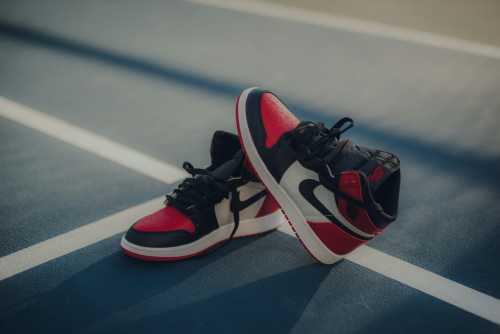
The Runway as the New Arena: A Paradigm Shift
When Michael Jordan signed with Nike in 1984, the athletic shoe was primarily a functional commodity, and the endorsement was a calculated gamble on a rookie's potential. Today, the paradigm has inverted: the athlete is no longer merely endorsing a product; they are the product. The boundary between the locker room and the front row of Paris Fashion Week has not just blurred—it has been entirely demolished, creating a new, highly lucrative asset class.
Over the past year, a structural realignment has occurred at the intersection of high fashion and professional sports. LVMH became the first luxury conglomerate to secure a premium sponsorship of the Olympic Games, signaling institutional validation of this crossover [[6]]. Simultaneously, individual athletes are executing unprecedented fashion maneuvers: Tom Brady debuted on the Gucci runway in New York, Jannik Sinner is actively redefining tennis aesthetics through his Italian fashion house partnership, and rising stars like Caitlin Clark are securing nine-figure luxury apparel deals [[38]], [[45]], [[32]]. This is not a fleeting trend; it is a fundamental rewriting of sports marketing economics.
The Monetization of 'Aura' Over Athletic Metrics
Mainstream financial coverage frequently fixates on the headline dollar figures of these contracts, ignoring the underlying valuation shift. Luxury houses are no longer purchasing mere access to an athlete’s fan base; they are acquiring their "aura." This aura is a composite of perceived discipline, global mobility, and an aspirational lifestyle that resonates with high-net-worth demographics. As Tom Chapman, head of commercial at WME Sports, observed regarding Jannik Sinner’s collaboration: "Full credit to them. They created a moment" [[46]]. This moment is highly quantifiable. Industry analysis indicates that luxury brand endorsements for top-tier athletes have outpaced traditional entertainment celebrity deals, primarily because sports figures offer a perception of authenticity and global reach that Hollywood increasingly struggles to guarantee [[34]]. Consequently, an athlete’s on-field performance is becoming secondary to their off-field stylistic coherence and media footprint.
Correcting the Gender Asymmetry in Sports Valuation
Furthermore, this convergence is correcting a historical gender asymmetry in sports valuation. For decades, male athletes dominated luxury fashion endorsements, while female athletes were largely relegated to activewear or beauty campaigns. The recent trajectory, exemplified by Caitlin Clark securing a landmark nine-figure deal with Prada, signals a definitive market shift [[32]]. Luxury conglomerates are recognizing that female athletes command highly engaged, demographically diverse audiences that are highly receptive to premium apparel. This is not merely a progressive corporate stance; it is a calculated response to the explosive growth in viewership and commercial viability of women’s professional sports.
The Authenticity Paradox: When Heritage Meets Hype
However, this aggressive courtship of sports stars introduces a critical vulnerability for heritage brands, revealing a flaw in the prevailing narrative. The argument that athletes inherently elevate luxury prestige is dangerously one-sided. When a historic fashion house aligns with a controversial or underperforming athlete, the brand’s equity is directly exposed to the extreme volatility of professional sports. For instance, while footballers like Jude Bellingham and Rafael Leão are successfully bridging the gap between the pitch and high fashion with Louis Vuitton, the risk of reputational contagion remains acute [[27]]. If an athlete’s public image fractures due to injury, scandal, or poor performance, the luxury brand cannot simply distance itself without absorbing significant financial and reputational write-downs. The compliance theater of "values alignment" frequently crumbles under the unpredictable pressure of real-time sports controversies.
Echoes of 2009: The Beckham Blueprint Industrialized
This phenomenon is not without historical precedent, though its current scale is unprecedented. The David Beckham and Armani partnership of 2009 demonstrated that an athlete could transcend their sport to become a global style icon. Yet, the Beckham model was an exception, carefully curated and managed over a decade to ensure brand safety. Today’s strategy is industrialized and accelerated. LVMH’s landmark Olympic sponsorship represents a structural shift, moving beyond mere individual athlete partnerships to institutional integration at the highest level of global sports [[28]]. The lesson from history is clear: brands that treat athletes as long-term cultural partners, rather than short-term marketing vehicles, are the only ones that survive the inevitable performance slumps and public relations crises.
The Sovereignty Imperative: Risk of the Athlete-as-Mannequin
A second, often overlooked counter-argument centers on the athlete’s loss of narrative sovereignty. The prevailing media narrative suggests these mega-deals are purely empowering for the athletes, granting them access to elite cultural circles. In reality, the stringent aesthetic controls and exclusivity clauses imposed by luxury conglomerates can reduce elite competitors to high-priced mannequins. When a seven-time Super Bowl champion like Tom Brady walks the Gucci runway in head-to-toe leather, the spectacle generates immense short-term buzz [[38]]. However, it also risks diluting the athlete’s core brand identity. If the fashion narrative overshadows their athletic legacy, the long-term commercial viability of the athlete’s personal brand may be severely compromised once their competitive career concludes, leaving them with a fragmented public persona.
Strategic Imperatives for Agencies and Emerging Brands
For sports agencies and athlete representatives, the strategic directive is clear: negotiate for creative equity, not just financial compensation. Athletes must retain contractual veto power over campaigns that conflict with their core identity or moral compass. For emerging and mid-tier fashion brands, attempting to outbid LVMH or Kering for top-tier global talent is a fool’s errand. Instead, capital should be deployed toward niche, emerging athletes in non-traditional sports—such as climbing, surfing, or esports—where the cost of entry is lower, and the authenticity of the partnership is significantly higher. For regional apparel manufacturers and local sporting goods retailers, the lesson is to avoid direct competition with heritage luxury houses. Instead, these entities should leverage data analytics to identify rising local talent before they achieve national prominence, cultivating brand loyalty that scales with the athlete’s career.
The Six-Month Horizon: Consolidation and Backlash
Looking ahead six months, the landscape will likely bifurcate sharply. We will witness a consolidation of power, where only the top one percent of athletes secure mega-deals with legacy fashion houses, while the mid-tier faces a contraction in luxury sponsorship dollars as brands tighten their marketing budgets. Concurrently, a consumer backlash is imminent. As audiences become increasingly sophisticated, they will begin to penalize brands that engage in overt, inauthentic "sportswashing" or forced aesthetic alignments. The brands that will thrive in this new era are those that facilitate genuine, athlete-led creative direction, transforming the sponsorship from a transactional endorsement into a legitimate, mutually beneficial cultural collaboration.
Related Articles

The Architectural Shift: How Regulatory Moats and Demographic Squeezes Are Rewiring Global Fashion
Sep 23, 2026
Fashion’s Strategic Pivot: Craftsmanship as a Defensive Moat Against Algorithmic Commoditization
Sep 22, 2026![[The End of the Halo Effect: Fashion’s Inevitable Reckoning with Greenwashing]](https://www.crimaz.com/assets/images/no-image.jpg)
Comments (0)
No comments yet. Be the first to share your thoughts!
Want to join the discussion?
Please log in to post a comment.
Login NoworCreate an Account