
The Safe Fire Drill: How Virtual Reality is Rewiring Brave Canadian Minds to Silence the False Alarms of PTSD

Imagine you have a smoke alarm in your house. The job of the smoke alarm is very important: if there is a real, dangerous fire, it needs to scream as loudly as possible to wake you up and save your life. But what happens if the smoke alarm gets broken, and it starts screaming every time you make a piece of toast? It screams when you boil water. It screams when you light a candle. It screams when the sun shines through the window. Soon, you are so exhausted from the terrible, deafening noise that you cannot sleep, you cannot think, and you are terrified to even go into your own kitchen. This is exactly what Post-Traumatic Stress Disorder, or PTSD, does to the human brain. The brain's smoke alarm, a tiny part called the amygdala, gets stuck in the "on" position. It screams at a loud, terrifying volume, warning of terrible danger, even when the person is sitting safely on their couch in their living room. But in Canada, in the summer of 2026, a miraculous new technology is helping to fix the broken alarm, and it looks like something straight out of a science fiction movie.
Veterans Affairs Canada, in collaboration with leading researchers at the University of Toronto, has just launched a nationwide, completely free Virtual Reality, or VR, exposure therapy program specifically designed to treat PTSD in military veterans and first responders. To understand how this works, we have to understand how the brain learns. When a soldier experiences a terrible, traumatic event in a war zone, their brain takes a mental snapshot of everything: the sights, the sounds, the smells, and the overwhelming feeling of terror. The brain files this snapshot away and says, "This is what danger looks like. If we see anything even remotely like this, scream the alarm!" The problem is that the brain is often too broad in its definitions. A loud bang from a fireworks display on Canada Day triggers the exact same "war zone" alarm as the actual danger. The brain cannot tell the difference between the past and the present, between a memory and reality.
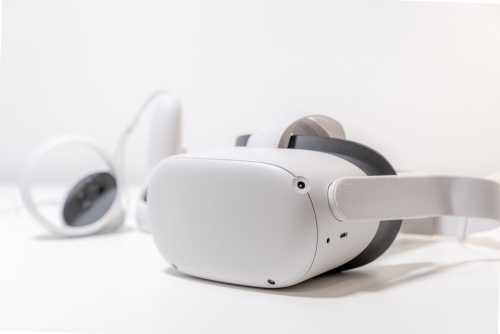
Virtual Reality exposure therapy is like building a perfectly safe, highly controlled practice fire drill for the brain. The patient puts on a VR headset, and suddenly, they are transported into a computer-generated environment. But this is not a video game; it is a meticulously crafted, therapeutic simulation. If a veteran has PTSD from a roadside bombing, the VR program can simulate the sound of a driving engine, the visual of a dusty road, and the distant sound of a loud noise. The crucial difference is that the patient is doing this while sitting in a comfortable, safe chair in a therapist's office in Canada. The therapist is right there with them, monitoring their heart rate, their breathing, and their stress levels.
When the patient hears the loud noise in the VR simulation, their brain's smoke alarm starts to scream. Their heart races, their palms sweat, and they feel the urge to run. But then, they look around, and they see the therapist. They feel the soft chair. They realize that they are safe. They take a deep breath, and they tell their brain, "See? There is a loud noise, but we are not on fire. We are safe." They do this over and over again, in small, manageable doses. Slowly, gradually, the brain learns the difference between the toast and the real fire. The smoke alarm realizes that it does not need to scream at the toast anymore. The neural pathways in the brain are literally rewired, creating new, safe connections that override the old, terrified ones. This process is called neuroplasticity, and it is the brain's incredible ability to heal and change itself.
The launch of this VR program by Veterans Affairs Canada is a monumental victory for the men and women who have sacrificed so much to protect the country. For decades, the standard treatment for PTSD involved talking about the trauma, which was often too overwhelming for the patient, or relying solely on medications, which only masked the symptoms without fixing the broken alarm. VR exposure therapy gets to the root of the problem. It allows the brain to process the traumatic memory in a way that is gentle, controlled, and ultimately, curative. The early data from the University of Toronto trials is nothing short of miraculous. Veterans who had suffered from severe, debilitating PTSD for ten or twenty years, who could not go to crowded places, who could not sleep through the night, are finding their lives returned to them. They are going back to work, they are reconnecting with their families, and they are finally sleeping peacefully.
The technology itself is a marvel of modern Canadian innovation. The VR environments are not just visual; they are multi-sensory. The researchers have incorporated spatial audio that perfectly mimics the acoustics of different environments, from a narrow, echoing alleyway to a vast, open desert. They have even integrated subtle haptic feedback, which are gentle vibrations in the chair or a vest the patient wears, to simulate the feeling of a rumbling engine or the wind. This deep level of immersion is what makes the therapy so effective; it engages the emotional center of the brain fully, allowing the healing to happen on a profound, biological level. Yet, the system is equipped with an immediate "eject" button. If the patient becomes too overwhelmed, they can instantly remove the headset and return to the safe, quiet room. This gives the patient complete control, which is a vital part of reclaiming their sense of safety.
The impact of this program extends far beyond the individual veterans; it ripples out to their families and communities. PTSD is often called an invisible wound, but its effects are deeply visible to the people who love the sufferer. Spouses and children often walk on eggshells, terrified of triggering an outburst or a panic attack. The family dynamic becomes strained, and the isolation can be devastating. When the veteran's brain alarm is fixed through VR therapy, the entire family heals. The father or mother can attend their child's school play without having a panic attack in the crowded auditorium. The husband and wife can go out to a busy restaurant and enjoy a meal together. The heavy, invisible burden that has been crushing the family for years is finally lifted, replaced by a profound, collective relief and joy.
Furthermore, Veterans Affairs Canada has made the brilliant decision to roll this program out not just to military veterans, but to first responders: the police officers, firefighters, and paramedics who run toward the danger every single day. These brave individuals witness terrible, traumatic events as part of their job, and they have historically suffered from high rates of PTSD. By providing them with this cutting-edge, free VR therapy, the Canadian government is honoring their sacrifice and ensuring that those who protect our communities are protected themselves. It is a powerful statement of national gratitude, a recognition that the mental wounds of duty are just as real, and just as deserving of top-tier medical care, as the physical ones.
The economic benefits of this initiative are also substantial. Untreated PTSD leads to long-term disability, unemployment, and heavy reliance on the healthcare and social support systems. By providing a highly effective, relatively short-term therapy that actually cures the condition rather than just managing it, the government is saving millions of dollars in long-term care costs. More importantly, it is returning highly skilled, experienced, and dedicated individuals to the workforce. These are people who have a lifetime of knowledge and leadership to offer, and thanks to this VR technology, they are now able to contribute to society once again, free from the chains of their past trauma.
As the summer of 2026 progresses, the VR clinics across Canada are buzzing with quiet, profound hope. The men and women who put on the headsets are not just patients; they are pioneers, bravely facing their deepest fears in a safe, controlled environment so that they can reclaim their lives. The technology of Virtual Reality is often associated with entertainment and gaming, but here, it is being used for one of the most noble purposes imaginable: healing the broken alarms of our bravest heroes. It is a beautiful testament to the power of science, compassion, and innovation. The smoke alarms are finally being fixed, the deafening noise is fading into a gentle quiet, and the brave minds of Canada are finding their way back to peace, one safe, virtual step at a time.
Official Veterans Affairs Updates
Proud to launch our nationwide Virtual Reality exposure therapy program for PTSD. Working with @UofT, we are providing veterans and first responders with cutting-edge, free care to help rewire the brain and heal from trauma. https://t.co/vacexample#PTSD#MentalHealth
— Veterans Affairs Canada (@VAC_Acc) June 18, 2026
Learn more at Veterans Affairs Canada
Related Articles

The Cognitive Deficit: How Systemic Misalignment is Bankrupting the Global Mental Health Infrastructure
Sep 22, 2026![[The Financialization of Behavioral Health: Regulatory Vacuums and the Digital Therapeutics Pivot]](https://www.crimaz.com/assets/images/no-image.jpg)
[The Financialization of Behavioral Health: Regulatory Vacuums and the Digital Therapeutics Pivot]
Sep 22, 2026
Comments (0)
No comments yet. Be the first to share your thoughts!
Want to join the discussion?
Please log in to post a comment.
Login NoworCreate an Account