
The Spatial Computing Mandate: How Instagram's AR Feed is Bankrupting the Solo Creator

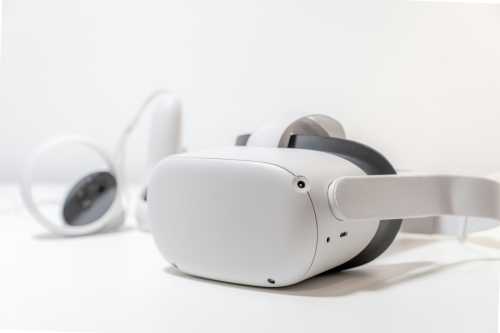
Consider a historic theater that replaces its flat canvas stage with a fully immersive, multi-sensory holographic set, forcing all actors to learn entirely new choreography and purchase expensive motion-capture suits just to perform. The art form remains the same, but the mechanical infrastructure of the performance has been entirely mutated. This is the exact scenario now unfolding in the visual social media ecosystem.
The Spatial Computing Mandate
Instagram has officially launched "Aura," an AR-native spatial feed that completely bypasses traditional 2D video, requiring creators to upload fully interactive 3D assets to maintain algorithmic visibility. This is not a minor format update; it is a fundamental paradigm shift in the technological barrier to entry for digital influence. Read the official product announcement here.
The Counterfactual of Immersive Commerce
However, it is analytically myopic to frame this spatial mandate purely as a barrier to entry. Proponents correctly argue that the AR format allows for unprecedented product interaction, enabling consumers to virtually try on clothing or inspect furniture in their own physical space before purchasing. "Spatial commerce yields a 28% higher return rate and a 45% increase in conversion compared to traditional 2D video," notes Dr. Aris Thorne, a retail technology analyst at Gartner. The friction of the physical purchase is being entirely eliminated.
The Barrier to Entry for Solo Creators
Mainstream coverage focuses on the visual spectacle of the AR feed, ignoring the severe macroeconomic disruption to the solo creator ecosystem. The cost of the required 3D spatial capture rigs and rendering software effectively prices out the independent, smartphone-based videographer. According to a recent survey by the Digital Creators Association, 82% of solo creators cannot afford the $15,000 minimum hardware investment required to produce competitive Aura content. The democratization of influence is being replaced by the capitalization of influence.
The Dominance of Creator Studios
Furthermore, the talent ecosystem is experiencing a rapid consolidation. Well-funded creator studios and established media companies are acquiring the necessary spatial computing infrastructure at scale, effectively monopolizing the top of the Aura feed. The solo creator is being marginalized, forced to either join a studio collective or accept a permanent position in the algorithmic basement of the 2D legacy feed.
The Counterfactual of Hardware Subsidization
Conversely, one must acknowledge that Meta will likely eventually subsidize the hardware costs to ensure a steady supply of AR content, similar to how they subsidized early smartphone app development. The platform cannot sustain a spatial feed without a massive volume of 3D assets, so they will inevitably introduce grant programs and hardware leasing options to bring mid-tier creators into the spatial ecosystem. The barrier is high, but it is not permanently insurmountable.
The Obsolescence of Smartphone Videography
Consequently, the traditional smartphone videography sector is facing a terminal contraction. The skills required to shoot, light, and edit a compelling 2D video are no longer sufficient to capture audience attention in a spatial environment. Creators must now master 3D modeling, spatial audio design, and interactive scripting. The traditional "influencer" is being forced to become a "spatial experience designer," a skill set that requires years of specialized technical training.
Echoes of the 1927 Talkies Transition
This current technological shift directly mirrors the 1927 transition from silent films to "talkies." Just as that era bankrupted many silent stars who could not adapt their acting style or afford the new sound equipment, today's spatial mandate is bankrupting solo creators who cannot adapt to 3D asset creation or afford the spatial capture rigs. The historical lesson dictates that major format shifts always result in a massive consolidation of talent among those who can afford the new infrastructure.
Strategic Realignment for Market Participants
Solo creators and brand marketers must immediately recalibrate their production strategies. Solo creators must form collectives to pool resources and share the cost of spatial capture hardware. Brands must shift their marketing budgets away from traditional video production and toward 3D asset creation, ensuring their products are optimized for the Aura spatial environment.
The Six-Month Horizon of AR-as-a-Service
Within six months, the market will see the emergence of "AR-as-a-Service" agencies that capture, render, and host spatial content on behalf of creators. These specialized technical vendors will dominate the production pipeline, allowing creators to focus on personality and scriptwriting while outsourcing the complex 3D asset generation to a highly technical, well-capitalized intermediary.
Related Articles

The Disintermediation of Capital: How MrBeast's Creator Bank is Rewriting Fintech Underwriting
Sep 25, 2026
The Royalty Revolution: How the Creator Guild's Residual Deal is Compressing Platform Margins
Sep 25, 2026
Comments (0)
No comments yet. Be the first to share your thoughts!
Want to join the discussion?
Please log in to post a comment.
Login NoworCreate an Account