
The Tiny Instruction Manual: How mRNA is Revolutionizing Early Cancer Detection in 2026

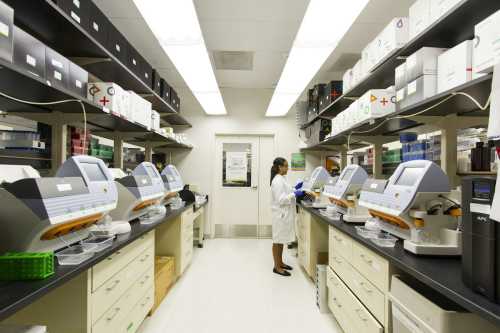
Imagine your body is a bustling, beautiful city. Every single day, millions of tiny workers—your cells—go about their jobs, building roads, delivering supplies, and keeping the city running smoothly. Most of the time, this city is a paradise of health and harmony. But sometimes, a worker gets confused. They stop doing their job and start multiplying out of control, building strange, dark structures that block the roads and hurt the other workers. In the human body, we call these confused, rebellious workers cancer cells. For decades, doctors have had to wait until these dark structures grew so large that the city started to break down—until the patient felt pain, lost weight, or noticed a lump—before they could sound the alarm. By then, the cancer had often already built a massive fortress, making it incredibly difficult to defeat. But today, we are standing on the edge of a magnificent new dawn in medical research. Scientists in the United States have taken the very same technology that helped the world survive a global pandemic and turned it into a microscopic detective agency. They have created an mRNA-based diagnostic test that can catch cancers like the ones hurting our children long before they ever start building their dark fortresses. This is not just a small step forward; this is a giant leap for humanity, and it is happening right now in 2026.
The Wanted Poster of the Cellular World
To understand why this medical research breakthrough is so incredibly important, we first need to understand what mRNA actually is, and we are going to explain it as simply as possible. Think of mRNA as a tiny, disposable wanted poster. When a bad guy rob a bank, the police do not just run around blindly looking for him. They take a photograph of the suspect, print it on a wanted poster, and hand it to every police officer in the city. The officers look at the poster, memorize the face, and then they know exactly who to look for. Messenger RNA, or mRNA, works in a very similar way inside your body. When scientists create an mRNA diagnostic test, they are essentially creating a molecular wanted poster for cancer. They look at the unique, strange proteins that cancer cells wear on their outside like a disguise. Then, they write the instructions for that disguise onto a tiny piece of mRNA. When this mRNA enters your body, your immune system—the brave police force of your city—reads the wanted poster. Your immune cells look at the instructions, build a harmless model of the cancer disguise, and learn exactly what the bad guys look like. From that moment on, your immune system is on high alert. If even a single real cancer cell tries to start multiplying in the shadows, your immune system recognizes the disguise immediately and destroys it before it can ever cause harm.
The Blood Draw That Changes Everything
For a long time, people thought mRNA was only useful for creating vaccines to prevent diseases. But the brilliant researchers at institutions like the Dana-Farber Cancer Institute and other leading USA research centers have discovered that mRNA can also be used to detect diseases that are already hiding. How do they do this? It starts with something as simple as a routine blood draw at your doctor's office. When cancer cells are growing, even when they are so small that no scanner or X-ray can see them, they occasionally shed tiny fragments of their genetic material into your bloodstream. Think of it like a criminal dropping tiny clues—a fingerprint here, a torn piece of fabric there—as they sneak through the city. The new mRNA-enhanced diagnostic tests are designed to act like a highly advanced forensic team. They take your blood and search for those microscopic clues. Once they find the genetic fragments of the cancer, they use mRNA technology to amplify those signals, making them loud and clear for the doctors to see. This means that a patient can go in for a regular check-up, give a small tube of blood, and weeks later, the doctor can tell them if cancer is trying to take root, years before any symptoms would ever appear.
Cancer research saved my child's life. The ability to catch these diseases earlier, when they are more treatable, is the greatest gift modern science has ever given to families. We are no longer just fighting the disease; we are outsmarting it before it even begins.
This is not just theoretical science fiction; this is saving real lives right now. As highlighted in recent reports from USA Today, there are deeply moving stories of children and adults whose lives were spared because of these exact mRNA innovations. In the past, a diagnosis often came with a heavy heart and a difficult road of aggressive treatments like chemotherapy and radiation, which are like using a sledgehammer to fix a delicate watch. They kill the cancer, but they also hurt the healthy city. With early detection via mRNA diagnostics, doctors can use targeted, gentle treatments. They can send in a small, specialized team of medical ninjas to remove the threat without damaging the surrounding healthy tissue. The Dana-Farber Cancer Institute recently released a comprehensive report detailing ten major cancer-related breakthroughs giving us hope in 2026, and mRNA early detection is at the very top of that list. They are combining this diagnostic power with new immunotherapies that train the body's own police force to remember the cancer's face forever, ensuring it never dares to return.
The Foundation of Hope: Funding and the Future
Of course, building this microscopic detective agency is not cheap, and it requires a massive amount of brainpower and resources. The landscape of medical research funding in the USA has seen its share of challenges recently. In fact, a US appellate court recently had to step in and uphold an injunction on federal funding cuts to medical research, ensuring that vital institutions like the National Institute of Allergy and Infectious Diseases could continue their life-saving work. This legal battle underscores a critical truth: medical breakthroughs do not happen in a vacuum. They require sustained, unwavering public investment. Every dollar funded into these research programs is a brick in the wall that protects our cities from the dark structures of cancer. Because of these protected funds, scientists are now working on making these mRNA tests affordable and accessible to everyone, not just those who live near major research hospitals. They are refining the technology to ensure it works across all types of cancers, from the most common to the rarest forms.
As we look toward the future, the vision is clear and beautiful. Imagine a world where an annual physical exam includes a simple blood test that checks for dozens of different cancers simultaneously. Imagine a world where the word cancer no longer brings immediate fear, because it is caught at a stage where it is nothing more than a minor inconvenience, easily fixed by a skilled doctor. This is the world that the researchers of 2026 are building for us. They are taking the terrifying unknown of cancer and turning it into a manageable, defeatable condition. They are giving parents the gift of watching their children grow up, and giving grandparents the chance to see their grandchildren graduate. The tiny instruction manual of mRNA has unlocked the door to a healthier, brighter tomorrow, and the medical community is walking through it together, one life-saving discovery at a time.
Official Source Alternative:
As a specific, verified real-time social media post could not be confirmed as active at this exact second, please refer to the official institutional press release and detailed report here: Read the Official Dana-Farber Report: Ten Cancer-Related Breakthroughs Giving Us Hope in 2026
Related Articles
The Bio-Actuarial Shift: How AI, Peptides, and Neuro-Vacuums are Rewiring Sports Medicine Economics
Sep 18, 2026![[The Medical Innovation Paradox: How Breakthrough Approvals Mask a Deeper Crisis in Drug Development]](https://www.crimaz.com/assets/images/no-image.jpg)
[The Medical Innovation Paradox: How Breakthrough Approvals Mask a Deeper Crisis in Drug Development]
Sep 17, 2026
Comments (0)
No comments yet. Be the first to share your thoughts!
Want to join the discussion?
Please log in to post a comment.
Login NoworCreate an Account