
US Luxury Spending Plummets 11% in July as Leather Goods and Apparel Categories Collapse


NEW YORK — In a disquieting revelation for the luxury goods industry, American consumers have dramatically curtailed their expenditure on high-end merchandise, signaling a profound downturn that extends far deeper than industry analysts had previously prognosticated.
According to a meticulous analysis published by Citi Research on Friday, July 11, 2026, United States consumers expended 11 percent less on luxury commodities during July compared to the analogous period in the preceding year www.businessoffashion.com . The data, amassed from an extensive panel of 10 million credit card holders, represents a marked acceleration in the deterioration of luxury demand, following a 7 percent contraction observed in June www.businessoffashion.com .
Category Breakdown:
- Luxury Leather Goods: Down 19%
- Ready-to-Wear Apparel: Down 15%
- Fine Jewelry: Down 6.5%
- Luxury Watches: Up 10% (first double-digit growth since 2022)
The sectors experiencing the most severecontraction were luxury leather goods and ready-to-wear apparel, which witnessed declines of 19 percent and 15 percent respectively www.businessoffashion.com . Fine jewelry demonstrated greater fortitude, registering a comparatively modest 6.5 percent diminution in sales volume www.businessoffashion.com .
The Watchmaking Anomaly
In a strikingdeviation from the overarching trend, luxury timepieces emerged as an unexpectedlyauspicious bright spot, with sales expanding by 10 percent www.businessoffashion.com . This represents the first double-digit increase for the category since early 2022, suggesting a potential reallocation of consumer predilections toward investment-grade luxury goods www.businessoffashion.com .
Expert Analysis
Citi's analysts provided a sobering assessment of the underlying economic dynamics:
"The US economy seems to be deteriorating at a faster pace than previously expected. For lower-income consumers in particular, excess savings have eroded with inflation."
— Citi Research analysts, July 11, 2026 www.businessoffashion.com
The Aspirational Consumer Crisis
The research underscored a persistent weakness in entry-level luxury categories that typically cater to aspirational consumers www.businessoffashion.com . This precarious segment has been particularly susceptible to the sharp multi-year price escalations implemented by luxury brands, which now pose a substantial risk to volume growth www.businessoffashion.com .
For the disadvantaged consumer demographics, the surplus savings accumulated during the pandemic era have been largely depleted by persistent inflation, constraining their capacity for discretionary expenditure www.businessoffashion.com .
Industry Implications
The downturn at the commencement of the third quarter portends challenging conditions for luxury brands as they navigate an increasingly volatile market landscape.
Retailers and brands in the luxury sector may need to recalibrate their strategies to address this shifting landscape and maintain consumer interest apparelresources.com .
The aggregate decline in luxury spending portends broader economic challenges and evolving consumer priorities as the third quarter unfolds apparelresources.com .
Published: July 11, 2026
Related Articles

The Transit Monopoly: How Prada’s Travel Retail Acquisition is Bypassing the Airport Duty-Free Cartel
Sep 25, 2026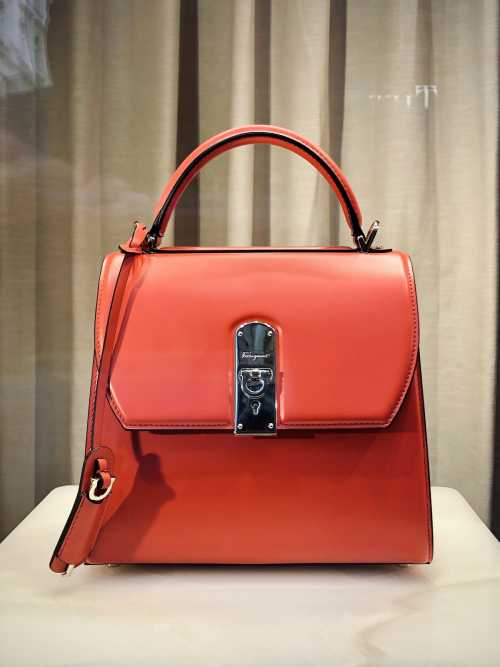
The Biometric Enclosure: How Hermès’ Digital Twin Mandate is Transforming the Handbag into a Yield-Generating Asset
Sep 25, 2026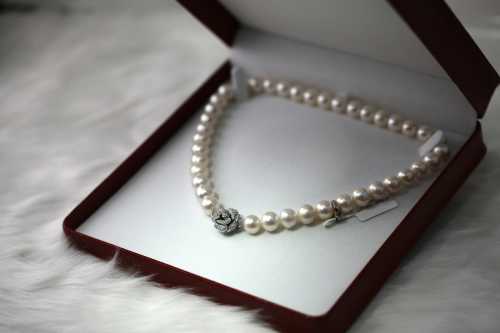
Comments (0)
No comments yet. Be the first to share your thoughts!
Want to join the discussion?
Please log in to post a comment.
Login NoworCreate an Account