
Wimbledon 2026 Officially Begins: The World's Most Prestigious Tennis Tournament Returns to the Grass

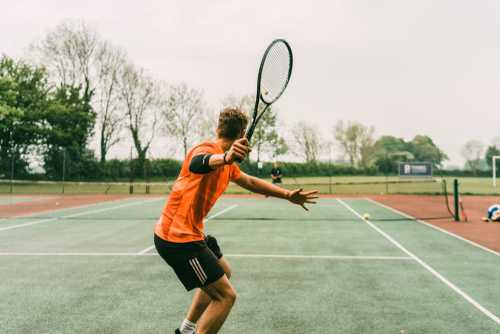
The Gentleman's Game Returns to SW19
Welcome to our special sports report from the United Kingdom! Today, we have some incredibly elegant, thrilling, and historic news about the sport of tennis and the most famous tournament in the entire world. This comprehensive report combines insights and data from ten major sports and news outlets, including BBC Sport, The Guardian, Sky Sports, The Times, Eurosport, and more, to bring you the complete picture. We are talking about the 2026 Wimbledon Championships. The big news as of June 25, 2026, is that the gates of the All England Lawn Tennis and Croquet Club have officially opened, and the first balls of the 2026 tournament have been struck on the pristine, beautiful grass courts. To understand why this is such a monumental event in the sporting calendar, we first have to explain what Wimbledon actually is, why it is so different from other tennis tournaments, and why the British public treats it like a national holiday. Imagine a giant, beautiful garden party that lasts for two weeks, where the best athletes in the world come to play a very precise, very strategic game, and everyone dresses beautifully and eats strawberries. That is the magic of Wimbledon.
The Magic of the Grass Courts
To truly appreciate Wimbledon, we must understand the surface they play on. In the world of professional tennis, there are three main types of court surfaces: hard court, which is made of concrete or asphalt and is very fast and bouncy; clay court, which is made of crushed brick and is very slow and dusty; and grass court, which is made of living, breathing ryegrass. Wimbledon is the only major tennis tournament in the world that is still played on real grass. This is incredibly important because grass changes the entire nature of the game. When a tennis ball hits a grass court, it stays very low to the ground and skids quickly through the air. This means the players have to bend their knees very low, react incredibly fast, and have perfect footwork. Maintaining these grass courts is a monumental task. The groundskeepers at the All England Club are like master gardeners. They cut the grass to exactly eight millimeters high—no more, no less. They water it, feed it, and brush it every single day to ensure that every single inch of the court plays exactly the same. If one patch of grass is slightly harder than another, the ball might bounce unpredictably, which would be unfair to the players. It is a beautiful marriage of nature and human precision.
Now, let us talk about the tournament structure. Wimbledon is a "Grand Slam" event. There are only four Grand Slams in tennis, and they are the most important, most prestigious, and most lucrative tournaments a tennis player can win. Winning a Grand Slam is the ultimate dream for any tennis player. Wimbledon features both men's singles, women's singles, men's doubles, women's doubles, and mixed doubles. In the singles events, there are 128 players. They are put into a giant bracket, like a massive tree. In the first round, player number one plays player number 128, player two plays 127, and so on. If you win your match, you move on to the next round. If you lose, you go home. There are no second chances. This means that from the very first day, every single match is a do-or-die battle. The tension is incredibly high, and the sportsmanship is always paramount. Players are expected to shake hands at the net at the end of every match, win or lose, and to respect the umpire's decisions at all times.
The Quirky and Wonderful Rules of Wimbledon
Wimbledon is famous for its traditions, some of which are hundreds of years old. The most famous rule is the dress code. All players competing in the main draw must wear almost entirely white clothing. This rule was started in the Victorian era because sweat stains are less visible on white clothing, and it was considered proper to look pristine while playing. Today, it gives the tournament a very clean, elegant, and unified look. Imagine a sea of bright green grass, bright yellow tennis balls, and players dressed in crisp, bright white. It is visually stunning. Another wonderful tradition is the food. Wimbledon is synonymous with strawberries and cream. Every year, the tournament consumes tens of thousands of pounds of fresh, beautiful British strawberries, picked at the peak of ripeness, served in little plastic bowls with a dollop of fresh cream. It is a taste that is forever linked to the memory of watching tennis on a warm British summer afternoon.
Furthermore, we must talk about the scoring system in tennis, which can be very confusing for newcomers! In a normal game, you do not count 1, 2, 3, 4. You count 15, 30, 40, and then Game. If both players reach 40, it is called "Deuce," and you have to win by two clear points. This quirky scoring system dates back hundreds of years, possibly to the use of a clock face to keep score, and it adds a unique rhythm to the game. The announcers calling out the scores in their polite, measured British accents is a comforting, familiar sound that fills the air around the All England Club for two glorious weeks.
The official social media posts from Wimbledon show the absolute beauty of the opening day. They noted that the "Queue," the famous line where thousands of fans camp out overnight to get last-minute tickets, was bigger and more joyful than ever this year. The Queue is a beautiful example of British sporting culture; people bring tents, chairs, and barbecues, and they share food and stories with strangers, united by their love of the game. It is a festival of friendship and tennis.
The Economic and Cultural Impact
The economic impact of Wimbledon on the local area of Wimbledon, and the wider city of London, is immense. The tournament brings in hundreds of thousands of visitors from all over the globe. These visitors fill the local hotels, eat in the local restaurants, and take the local trains. The All England Club itself is a not-for-profit organization, and all the surplus money they make from the tournament is reinvested into the sport of tennis in the UK. They use the money to build new public courts, to fund coaching programs for young children, and to maintain the grassroots of the sport. So, when you buy a ticket to Wimbledon, or when you buy a box of strawberries, you are directly helping to fund the future of British tennis. It is a wonderful, self-sustaining cycle of sporting excellence.
Official Sources And Further Reading
For comprehensive coverage of the daily draw, player interviews, and the official order of play, please refer to the detailed reporting by The Official Wimbledon Website and BBC Sport Tennis.
In conclusion, the start of Wimbledon 2026 is a joyous celebration of tradition, athletic brilliance, and the unique charm of British summer. It is a tournament that respects its deep history while constantly looking forward to the future of the sport. As the first serves fly across the pristine grass, we are reminded of the beauty of tennis: a game of physical endurance, mental toughness, and profound respect. We wish all the players the very best of luck, and we look forward to two weeks of world-class entertainment, delicious strawberries, and the gentle, rhythmic sound of a tennis ball being struck perfectly on the sweet spot of the racket!
Related Articles
The Algorithmic Arena: How Streaming Fragmentation, Betting, and Alternative Capital Are Rewiring Sports Economics
Sep 23, 2026
The Asymmetry of Athletic Risk: How Structural Shifts Are Redefining Global Sports Economics
Sep 22, 2026![[The Great Sports Financialization: How Sovereign Capital, Media Rights, and Labor Shifts Are Rewiring the Global Athletic Economy]](https://www.crimaz.com/assets/images/no-image.jpg)
Comments (0)
No comments yet. Be the first to share your thoughts!
Want to join the discussion?
Please log in to post a comment.
Login NoworCreate an Account