
A Weekend of Global Celebration: The Tony Awards, Montreal's Jazz Festival, and Edinburgh's Film Showcase Unite the Arts

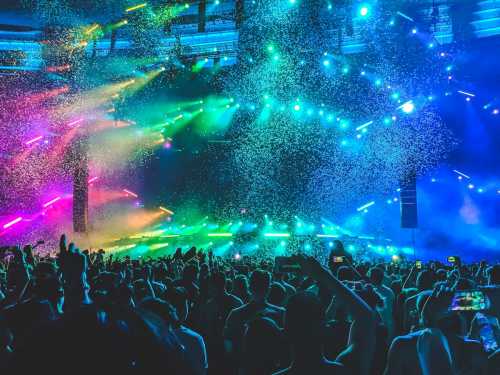
Imagine, if you will, that the world is a giant, beautiful canvas, and every single day, people are painting new pictures, writing new songs, and telling new stories. But sometimes, we need to pause, step back, and throw a massive, magnificent party to celebrate all of that wonderful creativity. That is exactly what an "award show" or a "cultural festival" is. It is a giant gathering where we clap our hands, wear our fanciest clothes, and say "thank you" to the artists, musicians, and filmmakers who make our lives more colorful, more exciting, and more meaningful. As we wake up on this Monday, June 29, 2026, the news cycle is absolutely buzzing with the aftermath of a spectacular weekend of events across the United States, Canada, and the United Kingdom. Let us walk through these three incredible celebrations together, step by step, to understand why they matter so much to our culture and our communities.
First, we travel to the bustling, energetic, and dazzling city of New York, specifically to the famous theater district known as Broadway. Broadway is like the ultimate playground for live theater. It is a place where actors sing, dance, and act out incredible stories right in front of a live audience, without any computer tricks or second takes. And the biggest, most prestigious party for Broadway is the Tony Awards.
The Tony Awards are named after Antoinette Perry, who was a very important woman in the American theater world. Winning a Tony is like winning the Olympic gold medal, but for acting, singing, and directing on the stage. This weekend, the 79th Annual Tony Awards took place at the magnificent Radio City Music Hall, a massive, beautiful theater with a giant stage and thousands of velvet seats. The atmosphere was electric. Actors and actresses wore stunning, sparkling gowns and sharp, custom-made suits, walking down the red carpet while cameras flashed and fans cheered their names.
But the Tony Awards are not just about looking fancy; they are about honoring the hard work that goes into creating a live show. Think about how much work it takes to put on a play. You need writers to write the words, directors to guide the actors, set designers to build the physical world on stage, costume makers to sew the outfits, and lighting technicians to make everything look magical. The Tony Awards give a giant, shiny trophy to the very best in all of these categories. This year, the biggest winner was a brand-new, original musical that tackled a deeply emotional story about family and forgiveness, sweeping the major categories including Best Musical, Best Original Score, and Best Leading Actor.
Why do these awards matter so much? Because live theater is a very expensive and risky business. When a show wins a Tony Award, it gets a massive boost in ticket sales. People from all over the world fly to New York City just to see the "Tony-winning" show. This means more money for the theaters, more jobs for the actors and crew, and a huge financial boost for the restaurants and hotels in New York. The Tony Awards prove that live, human performance is still one of the most powerful and profitable forms of art we have.
Now, let us pack our bags and travel north to the beautiful, historic, and incredibly vibrant city of Montreal, in the province of Quebec, Canada. If New York is about the quiet tension of a theater before the curtain rises, Montreal this weekend was about loud, joyful, spontaneous music echoing through the warm summer night air. The Festival International de Jazz de Montréal, or the Montreal International Jazz Festival, officially kicked off its massive 45th-anniversary edition this weekend.
You might be wondering, what exactly is a jazz festival? Jazz is a beautiful, complex style of music that started in the United States over a hundred years ago. It is all about improvisation, which means the musicians make up parts of the song as they go along, listening to each other and reacting in the moment. It is like a musical conversation where everyone is speaking at the same time, but it somehow sounds perfectly harmonious. A jazz festival is a giant celebration of this music, bringing together the greatest jazz players from all over the planet.
But the Montreal Jazz Festival is not just any festival. It holds the Guinness World Record for being the largest jazz festival in the entire world. When we say "largest," we do not just mean the stage is big; we mean the entire city transforms. The festival shuts down a massive section of downtown Montreal to car traffic. They build over twenty different outdoor stages, and the best part is that the outdoor concerts are completely free for anyone to attend. Imagine walking down the street and hearing a brilliant saxophone player, then turning a corner and seeing a massive gospel choir, and then walking another block to hear a smooth, upbeat swing band. The streets are packed with hundreds of thousands of people, all eating delicious Quebecois food, drinking local craft beverages, and dancing together.
Inside the concert halls, there are hundreds of ticketed shows featuring legendary, award-winning jazz musicians who have flown in from the USA, the UK, Europe, and Africa. The economic impact of this event is staggering. It brings tens of millions of dollars into the local economy. Hotels are booked solid, restaurants are full from morning until midnight, and local artists sell their crafts to a global audience. The Montreal Jazz Festival is a perfect example of how an arts event can unite a city, break down barriers between different cultures, and create a shared sense of joy that lasts long after the final note is played.
Finally, we cross the Atlantic Ocean to the historic, breathtaking, and deeply cultural city of Edinburgh, the capital of Scotland in the United Kingdom. While Montreal is filling its streets with music, Edinburgh is darkening its theaters for the Edinburgh International Film Festival (EIFF). Founded in 1947, it is one of the oldest continuously running film festivals in the world, and it holds a very special place in the heart of the global cinema community.
But what is a film festival, and how is it different from just going to the movie theater on a Saturday afternoon? When you go to a regular movie theater, you are usually watching a massive blockbuster movie that has been advertised on every television and billboard for months. These movies are made by giant studios with hundreds of millions of dollars. A film festival, on the other hand, is like a hidden treasure map. It is a place where filmmakers show movies that are different, unique, challenging, and often made with much smaller budgets. These are the movies that might not get a wide release in regular theaters, but they tell incredibly important, human stories.
The Edinburgh International Film Festival is famous for championing new, independent voices. This weekend, the festival opened its doors with a spectacular red-carpet premiere of a highly anticipated British drama. But the real magic of EIFF happens in the smaller screening rooms, where first-time directors from the UK, Canada, and the USA show their short films and documentaries to audiences who are eager to discover the next great filmmaker. The festival also hosts "masterclasses," where famous, veteran directors sit on a stage and teach young, aspiring filmmakers how to light a scene, how to talk to actors, and how to tell a visual story.
The cultural importance of the Edinburgh Film Festival cannot be overstated. In a world where we are constantly consuming fast, digital content on our phones, a film festival forces us to sit in a dark room with strangers, put away our distractions, and deeply focus on a piece of art for two hours. It reminds us of the power of empathy—of stepping into someone else's shoes and seeing the world through their eyes. Furthermore, just like the Jazz Festival in Montreal, the EIFF provides a massive boost to Edinburgh's summer tourism, filling the city's historic hotels, pubs, and restaurants with cinephiles and artists from around the globe.
So, as we look at these three massive events—the glittering Tony Awards in the USA, the joyous, street-filling Montreal Jazz Festival in Canada, and the thoughtful, cinematic Edinburgh International Film Festival in the UK—what do they all have in common? Why do we spend so much time, money, and energy on awards and events?
The answer is simple: human beings need to gather. We need to share experiences. In our everyday lives, we are often isolated, staring at our own screens, living in our own little bubbles. But when you sit in a theater and watch an actor deliver a heartbreaking monologue, when you stand in a crowd in Montreal and feel the bass of a jazz drum in your chest, or when you sit in a cinema in Edinburgh and laugh at a brilliant independent film with a hundred strangers, you are connected. You are part of a community. These awards and events are the anchors of our cultural calendar. They give us a reason to dress up, a reason to travel, a reason to support local businesses, and most importantly, a reason to celebrate the beautiful, diverse, and creative spirit of humanity.
As the week begins on June 29, 2026, the stages in New York are being struck, the outdoor tents in Montreal are being packed away, and the screens in Edinburgh are dimming. But the impact of these events will last for months. The Tony-winning shows will tour the world, the jazz musicians will release new albums inspired by the crowds, and the independent films discovered in Scotland will find their way to streaming screens in our living rooms. The parties may end, but the art they celebrate lives on forever.
Related Articles

The Attention Arbitrage: Inside the Financial Restructuring of the Global Awards Economy
Aug 12, 2026
The Metabolic Enclosure: How FDA Compounding Bans and Biometric Telemetry are Rewiring Nutrition & Fitness Economics
Aug 12, 2026
Comments (0)
No comments yet. Be the first to share your thoughts!
Want to join the discussion?
Please log in to post a comment.
Login NoworCreate an Account