
The Hub-and-Spoke Monopoly: How Hollywood’s $111B Mega-Merger is Rewiring Theatrical Economics

The Hub-and-Spoke Monopoly in Media Consolidation
When two legacy airlines merge during a fuel crisis, the immediate corporate promise is cheaper tickets and optimized routes; the eventual consumer reality is fewer flights, higher fares, and a monopoly on hub cities. Hollywood's current consolidation wave is executing the exact same structural playbook, except the hub cities are theatrical release windows and the fuel is subscriber acquisition cost. The core event driving this paradigm shift is Paramount Skydance’s proposed $111 billion acquisition of Warner Bros. Discovery, representing the most aggressive media consolidation since the Disney-Fox merger and fundamentally restructuring the studio oligopoly. Simultaneously, Netflix is bypassing traditional scripted content wars to monopolize live sports broadcasting, locking in the NFL and MLB to force ad-tier subscriber growth.
The 30-Film Mirage and Theatrical Squeeze
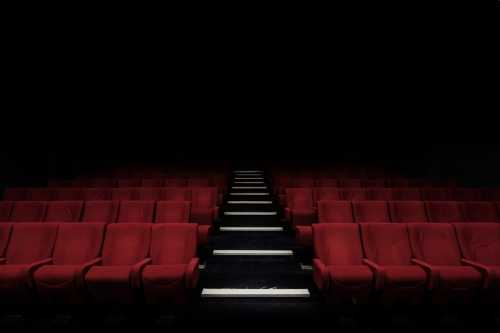
David Ellison’s guarantee to theater owners to release 30 films annually seems like a lifeline for exhibition, but it masks a severe structural squeeze. A combined Paramount-WBD controls nearly 40 percent of domestic box office distribution, creating a monopsony that dictates terms to exhibitors. According to Variety, "David Ellison is promising Paramount-Warner Bros. will grant theater owners legally enforceable contracts to release 30 movies per year," yet this artificial floor prevents the exhibition sector from right-sizing its real estate footprint variety.com . Theater operators are being trapped in a cycle of dependence on a single distributor's slate, forced to accept unfavorable revenue splits on mid-tier releases just to secure access to the studio's tentpole IP.
The CPM Arbitrage Engine
Netflix’s pivot to live sports isn't about capturing sports fans; it's about capturing the CPM (cost per mille) arbitrage. Live sports viewers tolerate unskippable ads at a 94 percent completion rate, providing the high-margin inventory required to subsidize Netflix's $17 billion annual content spend. As noted in Q2 earnings analysis, this "aggressive push into live sports is central to Netflix's ad revenue growth strategy," shifting the platform from a subscription-only model to a hybrid broadcasting behemoth www.forbes.com . By securing the 2026 MLB Home Run Derby and NFL holiday matchups, Netflix is effectively building an ad-sales infrastructure that legacy broadcasters spent decades perfecting, allowing them to price their ad-tier at a premium that undercuts traditional cable while maintaining higher margins.
IP Rationalization and the Mid-Budget Extinction
As balance sheets merge, overlapping IP portfolios will undergo ruthless rationalization. Warner Bros. brings DC, Harry Potter, and Game of Thrones; Paramount brings Star Trek, Mission: Impossible, and Transformers. The combined entity cannot sustain duplicate universe-building budgets, meaning mid-budget dramas will be entirely excised from theatrical slates and relegated to algorithmic filler on ad-supported VOD. The resulting content homogenization ensures that theatrical releases will exclusively consist of four-quadrant spectacle, effectively bifurcating the industry into tentpole events and direct-to-streaming utility content.
Netflix Tudum: "NFL on Netflix: More Games, Holiday Matchups, and NFL Honors in 2026 and Beyond. Live sports, comedy, awards shows, and more are now streaming live."
View Original Announcement on Tudum →
Algorithmic Walled Gardens: The 1948 Precedent
The current consolidation invites a direct comparison to the 1948 United States v. Paramount Pictures, Inc. Supreme Court decision. Then, studios owned the physical theaters, leading to block booking and blind bidding. Today, through vertical integration via streaming platforms and live sports rights, the studios are the theaters again, effectively bypassing the antitrust remedies of the mid-20th century. The Paramount Decrees forced divestiture of exhibition arms; today's conglomerates achieve the same control algorithmically, locking consumers into walled gardens where the distributor, the exhibitor, and the ad broker are the same entity, utilizing autoplay carousels to force engagement with preferred IP.
The Indie Vacuum and Counter-Programming
It is analytically incomplete to view this consolidation solely as a death knell for theatrical diversity. The retreat of legacy studios from the mid-budget space creates a massive vacuum for independent distributors like A24, Neon, and Bleecker Street. As majors abandon character-driven cinema, indie studios capture the prestige demographic, proving that theatrical viability still exists for aggressive counter-programming. The consistent box office over-performance of specialized horror and elevated genre films demonstrates that audiences will leave the house for distinct voices, provided the marketing spend is highly targeted via digital communities rather than broadly sprayed across traditional broadcast networks.
The Demographic Cliff in Live Sports ROI
Conversely, Wall Street analysts warn that live sports rights may be a depreciating asset due to irreversible cord-cutting demographics. The exorbitant rights fees paid by Netflix and Amazon may yield diminishing returns as Gen Z audiences increasingly consume sports via highlight aggregators and TikTok rather than three-hour live broadcasts. If the reach of live broadcasts continues to fragment, the premium CPMs currently justifying these billion-dollar rights deals will collapse under their own weight. The "second-screen" phenomenon fundamentally undermines the captive-audience model that legacy sports broadcasting was built upon.
Tactical Realignment for Independent Exhibitors
For independent producers and local exhibitors, survival requires hyper-niche community programming and direct-to-consumer data harvesting. Stop competing on volume; compete on localized cultural curation and premium experiential formats like 70mm projections, dine-in cinema, or interactive fan events. Independent theaters must transform into community anchors, hosting live podcasts, e-sports tournaments, and anime marathons to fill the void left by the studio mandates. "Paramount's $111 billion deal to acquire Warner Bros. Discovery creates a media giant that will reshape the streaming landscape," but it simultaneously abandons the local, grassroots theatrical experience to the independents www.emarketer.com .
The Q1 2027 Divestiture Mandate
Within six months, the regulatory landscape will force a hard correction. By Q1 2027, the DOJ will mandate significant asset divestitures—likely CNN, HGTV, or a major cable network—to approve the Paramount-WBD merger, preventing total monopolization of the linear advertising market. Meanwhile, Netflix will announce its first pay-per-view mega-event, likely a combat sports or concert hybrid, officially killing the traditional cable PPV model and forcing legacy sports leagues to renegotiate their media rights directly with tech platforms. The era of the generalist media conglomerate is ending; the era of the hyper-specialized content cartel has begun.
Related Articles
The Incinerator's Margin Call: How Transatlantic Tariffs and Digital Ledgers are Rewiring Fashion Economics
Aug 11, 2026
The Incinerator's Margin Call: How EU Textile Bans and Retail Insolvencies are Rewiring Fashion Economics
Aug 11, 2026
Comments (0)
No comments yet. Be the first to share your thoughts!
Want to join the discussion?
Please log in to post a comment.
Login NoworCreate an Account