
Beyond the Trench: Burberry Opens the 'Heritage Vault' in London, Merging Physical Couture with Immutable Blockchain Provenance

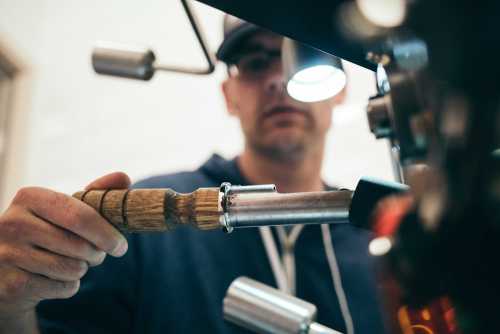
The British luxury sector reached a monumental milestone in its digital and physical evolution on the evening of June 18, 2026, with the exclusive unveiling of the Burberry 'Heritage Vault' on Regent Street in London. This architectural and technological marvel represents the most aggressive and sophisticated anti-counterfeiting and brand-preservation initiative ever undertaken by a major British fashion house. Conceived as a physical sanctuary and a digital fortress, the Heritage Vault is a members-only space where the purchase of any ultra-luxury Burberry garment is inextricably linked to the creation of an immutable, blockchain-verified digital twin. In a global market where the proliferation of high-quality counterfeit goods costs the luxury industry billions of pounds annually, and where the secondary resale market is growing faster than primary retail, Burberry has taken decisive control of its product's entire lifecycle. The opening gala, attended by British royalty, global tech leaders, and elite collectors, signaled a definitive shift in the British luxury paradigm: the physical garment is no longer the end of the story, but merely the first chapter in a verifiable, trackable, and infinitely valuable digital legacy.
The Architecture of Trust: Cryptographic Threads and Digital Twins
The technological foundation of the Heritage Vault is a masterclass in applied cryptography and material science. Every garment sold within the Vault, ranging from the iconic cashmere trench coats to the most elaborate haute couture evening wear, is woven with a microscopic, proprietary cryptographic thread. This thread, invisible to the naked eye and completely imperceptible to the wearer, contains a unique, encrypted identifier that is linked to a specific Non-Fungible Token (NFT) on Burberry's private, energy-efficient blockchain network. When a client purchases a piece, they do not just receive a physical item and a paper receipt; they receive a secure digital wallet containing the garment's 'Certificate of Authenticity and Origin.' This digital twin records every detail of the garment's creation: the exact farm where the cotton or wool was sourced, the name of the artisan who stitched the lapels, the date of completion, and the environmental impact of its production. Crucially, as the garment changes hands in the secondary market, the digital twin is transferred alongside it, creating an unbroken, tamper-proof chain of custody. This means that a ten-year-old Burberry trench coat can be instantly verified as authentic, its entire history laid bare with a simple scan of a smartphone. The Vault effectively eradicates the counterfeit market for its products, as the absence of a valid, matching digital twin instantly exposes a fake, regardless of how perfectly the physical item has been replicated.
ELI5: What is a Digital Twin and How Does It Stop Fakes?
Imagine every single expensive coat comes with a secret, unbreakable ID card that lives inside a special computer app. When the coat is made, the factory creates this digital ID card and locks it to the coat using a tiny, invisible thread. If someone tries to make a fake coat and sell it, they cannot create the secret ID card because only the real factory has the key to make it. When you want to buy a used coat, you just check the app. If the secret ID card is there and matches the coat, you know it is 100% real. If the card is missing, you know it is a fake, no matter how good it looks.
The Physical Sanctuary: A Masterpiece of British Design
The physical manifestation of this digital initiative is the Heritage Vault itself, a breathtaking architectural intervention within the historic Regent Street flagship. Designed by the acclaimed British architect Thomas Heatherwick, the Vault is located in the subterranean levels of the store, accessed via a dramatic, spiraling ramp lined with illuminated, reclaimed British oak. The space is designed to evoke the feeling of a high-security bank vault crossed with a serene, modern art gallery. The walls are lined with individual, climate-controlled glass alcoves, each displaying a masterpiece from Burberry's archive alongside its glowing digital twin hologram. Clients are guided through the space by 'Provenance Curators,' highly trained specialists who explain the history, craftsmanship, and digital lifecycle of each piece. The atmosphere is one of quiet exclusivity and profound respect for the objects on display. Purchasing a garment in the Vault is treated as acquiring a piece of cultural heritage. The transaction takes place in private, soundproofed 'Settlement Rooms,' where the transfer of the physical garment and the digital token is executed simultaneously on a large, interactive glass table. This physical environment is crucial; it elevates the act of buying a blockchain-verified garment from a mere technological transaction into a deeply emotional, luxurious experience that honors the British tradition of fine craftsmanship.
Disrupting the Secondary Market and Redefining Asset Value
The economic implications of the Heritage Vault extend far beyond brand protection; they fundamentally disrupt the multi-billion-pound luxury resale market. Historically, luxury brands have viewed the secondary market with ambivalence, recognizing its role in brand building but resenting the loss of revenue and control. Burberry has flipped this dynamic. By embedding the cryptographic thread and controlling the digital twin, Burberry has programmed a 'smart royalty' into the blockchain. Every time a Burberry garment is resold on an authorized secondary platform, a percentage of the sale price is automatically and instantly routed back to Burberry's corporate treasury. This transforms every garment ever sold from a one-time revenue event into a perpetual, income-generating asset. Furthermore, the verifiable provenance provided by the digital twin drastically increases the resale value of the garments. Collectors and consumers are willing to pay a significant premium for a pre-owned Burberry piece when its entire history, condition, and authenticity are cryptographically guaranteed. This shift turns Burberry garments into legitimate alternative asset classes, akin to fine art or rare watches, which can be tracked, appraised, and traded with absolute confidence. The British luxury resale market, centered in Mayfair, is already adapting to this new reality, with auction houses integrating Burberry's blockchain verification directly into their cataloging processes.
ELI5: How Does the Coat Make Money Every Time It Is Sold?
When you sell your old bicycle to a friend, the bike company that made it doesn't get any money from that sale. But these new luxury coats have a special computer rule built into their digital ID card. The rule says, "Every time this coat is sold to a new person, a small slice of the money must automatically go back to the company that made it." It is like a magic rule that ensures the creators of the coat are always rewarded, even decades after it was first bought, making the coat a valuable investment that keeps giving back.
The Global Blueprint for Sustainable Luxury
As the global fashion industry grapples with the urgent need for sustainability and transparency, the Burberry Heritage Vault offers a compelling, scalable blueprint for the future of luxury. The ability to trace a garment's exact environmental impact and labor conditions via its digital twin empowers consumers to make truly informed, ethical purchasing decisions. It aligns perfectly with impending UK and European Union regulations requiring comprehensive digital product passports for all textiles. By proactively implementing this technology, Burberry has not only secured its own supply chain but has also positioned itself as the regulatory and ethical leader in the global luxury market. The opening of the Vault on June 18, 2026, was a defining moment for British fashion, demonstrating that the UK's heritage brands are not merely resting on their historical laurels, but are actively engineering the future of the industry. The Heritage Vault is more than a store; it is a fortress of authenticity, a hub of technological innovation, and a profound statement that in the modern era, true luxury is defined by verifiable truth, enduring value, and an unbroken connection between the creator and the wearer. The British luxury sector has drawn a line in the sand, and it is drawn in cryptographic code.
Related Articles
The Vintage Sports Car in a Zero-Emission Zone: Luxury's Structural Reckoning in 2026
Sep 17, 2026
The Luxury Reckoning: How China's Slump and EU Mandates Are Forcing a Structural Reset in High-End Retail
Sep 16, 2026
Comments (0)
No comments yet. Be the first to share your thoughts!
Want to join the discussion?
Please log in to post a comment.
Login NoworCreate an Account