
LVMH Breaks Seven-Quarter Slump as Global Luxury Market Stabilizes in 2026

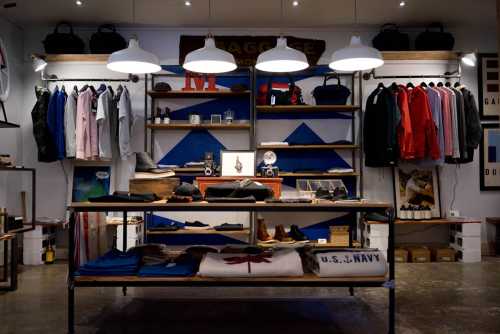
In a harbinger of renewed vitality for the high-end retail sector, LVMH Moët Hennessy Louis Vuitton has reported a modest but critical 1 percent organic sales increase in its fashion and leather goods division for the second quarter of 2026, effectively snapping a seven-quarter streak of declines.
The French luxury conglomerate, which houses iconic maisons such as Louis Vuitton, Dior, and Loro Piana, posted €9.01 billion in organic sales for the unit in the three months ending June 30. This resurgence aligns with analyst expectations and signals a broader stabilization in the global luxury market, which had been severely buffeted by inflationary pressures and geopolitical turbulence over the past two years.
A Tale of Two Markets: Resilience and Recovery
While LVMH’s group net profit remained flat at €5.70 billion in the first half of 2026, the results underscore a bifurcation within the industry. Ultra-wealthy clients continue to exhibit unwavering demand for heritage brands, whereas aspirational consumers remain highly sensitive to macroeconomic headwinds.
Concurrently, heritage powerhouse Hermès continues to eclipse broader market trends, consistently posting robust growth and recently seeing its market capitalization rival that of LVMH. This divergence highlights the paramount importance of brand equity and exclusivity in the current economic climate.
Official Press Release Alternative
WWD Official Coverage:
LVMH Moët Hennessy Louis Vuitton’s key fashion and leather goods division broke its losing streak in the second quarter, in a signal that demand for luxury goods is recovering after two years of sluggish sales. For the complete financial breakdown and analyst commentary, refer to the official report.
https://wwd.com/business-news/financial/lvmh-fashion-leather-goods-q2-2026-increase-1239083331/
The Bain-Altagamma Forecast: A Shift Toward Experiential Luxury
The modest recovery at LVMH is corroborated by the latest Bain-Altagamma Luxury Goods Worldwide Market Study, which forecasts a 2 to 4 percent growth in personal luxury goods spending for 2026, reaching up to €373 billion. However, the study reveals a profound paradigm shift in consumer behavior.
Luxury experiences—spanning hospitality, private aviation, and curated art events—are now outpacing traditional personal luxury goods. Furthermore, with one in two luxury consumers now utilizing artificial intelligence for product discovery, brands are under immense pressure to cultivate authentic relevance in an increasingly digital and AI-mediated marketplace.
As the second half of 2026 unfolds, the luxury sector stands at a critical inflection point. Brands that successfully balance heritage craftsmanship with innovative, experiential storytelling will be the ones to flourish in this newly stabilized, yet highly demanding, global landscape.
Related Articles
The Valuation Reckoning: How Regulatory Shifts and Resale Markets Are Rewiring Luxury
Sep 14, 2026
The Derivatives of Prestige: How Regulatory Friction and Geopolitical Decoupling Are Rewiring Luxury Economics
Sep 14, 2026
Comments (0)
No comments yet. Be the first to share your thoughts!
Want to join the discussion?
Please log in to post a comment.
Login NoworCreate an Account