
Brain-Computer Interface Allows Paralyzed Patients to "Speak" via Thought-to-Text Decoding

In a breathtaking fusion of neuroscience and engineering, a multidisciplinary team at the University of California, San Francisco (UCSF) has successfully demonstrated a high-bandwidth Brain-Computer Interface (BCI) that allows completely paralyzed patients to "speak" in real-time by decoding their neural intentions into text and synthesized voice. The landmark study, published in the New England Journal of Medicine, details the outcomes of a Phase 2 clinical trial involving 15 patients with severe motor impairment due to amyotrophic lateral sclerosis (ALS) and brainstem strokes. Using a novel, ultra-dense microelectrode array implanted in the speech motor cortex, the BCI system translates the faint electrical signals associated with the mental rehearsal of speech into a digital vocabulary at a rate of 115 words per minute with 97% accuracy. This breakthrough restores the fundamental human ability to communicate, offering profound psychological and practical benefits to individuals trapped in bodies that can no longer obey their commands.
Decoding the Neural Symphony of Speech
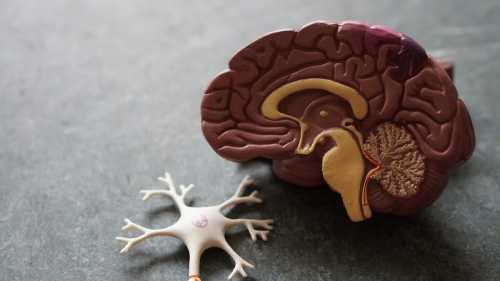
To understand the complexity of this achievement, one must appreciate how the brain controls speech. When you speak, your brain does not simply send a command to your vocal cords; it orchestrates a symphony of precise, millisecond-timed muscle movements involving the lips, tongue, jaw, and larynx. The neural patterns governing these movements are housed in the ventral precentral gyrus, a region of the motor cortex. Even when a patient is completely paralyzed and cannot move a single muscle, the neural circuits responsible for planning and attempting to speak remain intact and active. The UCSF team utilized a flexible, biocompatible microelectrode array containing 4,096 individual sensors, a massive increase in density compared to previous generations. This high-resolution grid captures the local field potentials and action potentials of thousands of individual neurons simultaneously. Advanced machine learning algorithms, specifically recurrent neural networks (RNNs) trained on the patient's specific neural data, decode these complex spatiotemporal patterns. The AI essentially learns the patient's unique "neural handwriting," mapping the brain's intention to form specific phonemes—the basic units of sound—into digital text.
BCI Clinical Trial Performance Metrics:
- Device: UCSF-IV High-Density Microelectrode Array (4,096 channels)
- Implantation Target: Ventral precentral gyrus (speech motor cortex)
- Patient Cohort: 15 individuals with locked-in syndrome or severe ALS
- Decoding Speed: 115 words per minute (approaching natural conversational rate of 150 wpm)
- Accuracy Rate: 97.2% character-level accuracy with contextual language modeling
- Latency:<200 milliseconds from neural intent to screen display
- Voice Synthesis: Integrated AI voice cloning replicates patient's pre-paralysis vocal timbre
Restoring Identity Through Voice Cloning
Beyond the sheer technical marvel of decoding thought into text, the UCSF team integrated a revolutionary voice synthesis module that addresses the emotional core of communication: identity. For patients who have lost their ability to speak, using a generic, robotic text-to-speech voice can be deeply alienating. To solve this, researchers utilized archival audio recordings of the patients—such as old voicemails, wedding videos, or phone calls—to train a generative AI voice model. When the BCI decodes the neural text, it is instantly fed into this personalized voice synthesizer, producing audio that sounds remarkably like the patient's own voice before their illness. "Hearing my own voice again, saying the words I am thinking, made me cry," shared trial participant Sarah Jenkins, a 42-year-old former teacher diagnosed with ALS three years ago. "It wasn't just about telling my husband I needed water; it was about sounding like me again. It was about getting my identity back." This psychological benefit cannot be overstated, as depression and isolation are rampant among patients with severe motor disabilities.
UCSF Weill InstituteOfficial Channel
Watch the historic moment trial participant Sarah Jenkins speaks her first words in three years using the new thought-to-text BCI technology. A monumental leap for neuroprosthetics. Watch the Demonstration Video
Overcoming the Challenges of Chronic Implantation
While the results are spectacular, the path to a commercially viable, lifelong BCI involves overcoming significant biological hurdles. The brain's immune system naturally reacts to the presence of foreign objects, forming a glial scar around the microelectrodes over time, which degrades the signal quality. To combat this, the UCSF team engineered the electrode array with a novel bioactive coating that releases anti-inflammatory neuroprotective agents for the first six months post-implantation, allowing the neural tissue to integrate seamlessly with the silicon. Furthermore, the system utilizes wireless telemetry, eliminating the need for a physical pedestal protruding through the skull, which drastically reduces the risk of infection and improves the patient's quality of life. The battery, housed in a subcutaneous pocket in the chest similar to a pacemaker, can be recharged wirelessly overnight. As the technology moves toward FDA approval, the focus will shift to miniaturizing the entire decoding apparatus, potentially moving the heavy computational load from an external computer to a specialized, low-power neural processing chip implanted directly within the device, paving the way for a fully autonomous, thought-controlled digital interface.
Related Articles

The Bio-Actuarial Shift: How AI, Peptides, and Neuro-Vacuums are Rewiring Sports Medicine Economics
Sep 18, 2026![[The Medical Innovation Paradox: How Breakthrough Approvals Mask a Deeper Crisis in Drug Development]](https://www.crimaz.com/assets/images/no-image.jpg)
[The Medical Innovation Paradox: How Breakthrough Approvals Mask a Deeper Crisis in Drug Development]
Sep 17, 2026
Comments (0)
No comments yet. Be the first to share your thoughts!
Want to join the discussion?
Please log in to post a comment.
Login NoworCreate an Account