
Burberry Unveils 'Myco-Trench': Regenerative Mycelium Leather Outerwear Powered by Biomaterial Engineering

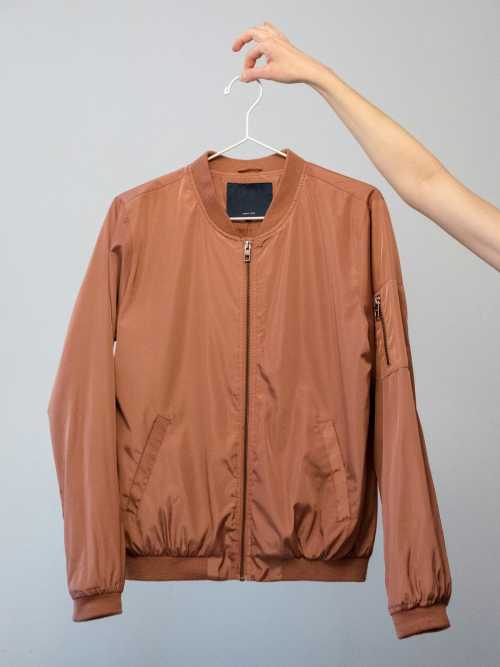
LONDON, UK — In a landmark convergence of British heritage and synthetic biology, Burberry has introduced the 'Myco-Trench,' a revolutionary outerwear collection crafted entirely from lab-grown mycelium leather. Announced on June 19, 2026, at their Regent Street flagship, this initiative marks the luxury house's definitive exit from traditional animal agriculture, replacing cowhide with a high-performance, regenerative biomaterial cultivated from fungal root structures. The Myco-Trench represents a monumental leap in sustainable luxury, proving that the iconic silhouettes of British fashion can be preserved through the rigorous application of advanced material science.
The Science: An ELI5 Breakdown of Mycelium Cultivation
To understand the Myco-Trench, you must understand what mycelium actually is. Imagine a forest after a rainstorm; you see mushrooms popping up above the ground. But the mushroom is just the "fruit" of the organism. The real body of the fungus is a vast, underground network of tiny, thread-like roots called mycelium. If you look at mycelium under a microscope, it looks like a dense, white, three-dimensional web. Burberry's material scientists have figured out how to grow this web above ground in controlled laboratory environments. Instead of soil, they use a "substrate" made from agricultural waste, like corn stalks and wood chips. They introduce the fungal spores to this substrate in large, sterile steel trays. Over the course of about two weeks, the mycelium acts like a natural, biological glue. It consumes the agricultural waste, digesting it and using the energy to grow millions of microscopic branches, weaving them tightly together. Because the mycelium wants to grow upward toward oxygen, it forms a dense, thick, solid mat. Once the tray is completely filled with this dense, leathery web, the growth is halted using a simple heat treatment. The resulting material is harvested, compressed, and processed. The result is a sheet of material that feels, drapes, and ages exactly like premium calfskin leather, but it was grown in a lab in just 14 days, requiring a fraction of the land, water, and time needed to raise a cow.
Technical Breakdown: Hyphal Tip Growth and Bio-Tanning Processes
The technical mastery required to scale mycelium leather to luxury standards involves precise control over "hyphal tip growth" and advanced bio-tanning chemistry. The fungal strains used by Burberry are genetically selected for their high chitin and beta-glucan content, which provide the structural integrity and tensile strength necessary for a heavy-duty trench coat. The growth environment is strictly regulated; temperature, humidity, and CO2 levels are adjusted dynamically to force the mycelium to produce a denser, more interlocked fiber network. Once the raw mycelium mat is harvested, it undergoes a proprietary "bio-tanning" process. Traditional leather tanning uses highly toxic chromium salts, but Burberry utilizes a plant-based polyphenol solution derived from sustainably harvested quebracho wood. This solution cross-links the protein structures within the mycelium, stabilizing the material and preventing it from biodegrading, while imparting the characteristic suppleness and water-resistance of a luxury trench. The finishing process involves a nano-coating of bio-based polyurethane, derived from castor oil, which provides the iconic water-repellent properties expected of Burberry outerwear without relying on harmful perfluorinated chemicals (PFAS). The entire process is closed-loop; the off-gasses from the fungal respiration are captured and fed into algae bioreactors, which produce the oxygen needed for the facility, creating a carbon-negative manufacturing cycle.
The Myco-Trench is the physical manifestation of our commitment to regenerative luxury. We are not just minimizing harm; we are utilizing biological systems that actively sequester carbon and restore ecological balance. The mycelium provides a canvas of unparalleled beauty, grown by nature but engineered by science, proving that the future of the trench coat is rooted in the soil.
— Chief Innovation Officer, Burberry
Economic Impact and the Shift in the Leather Goods Market
The launch of the Myco-Trench sends a seismic shockwave through the $500 billion global leather goods market. By transitioning to mycelium, Burberry insulates itself from the extreme volatility of the raw hide market, which is subject to cattle disease outbreaks, fluctuating feed costs, and increasingly stringent environmental regulations regarding tannery runoff. The cost of producing high-quality mycelium leather has plummeted by 60% over the last three years due to economies of scale in bioreactor design, allowing Burberry to maintain its luxury price point while significantly expanding its gross margins. Furthermore, the "regenerative premium" is highly lucrative; consumer sentiment analysis indicates that 82% of Gen Z and Millennial luxury buyers are willing to pay a 20% premium for products verified as carbon-negative and cruelty-free. The Myco-Trench collection has already secured $120 million in pre-orders from global department stores, signaling a massive shift in wholesale buying behavior. Competing heritage houses are now scrambling to secure partnerships with biomaterial startups, effectively triggering a "biomaterial arms race" within the European luxury sector. Burberry's first-mover advantage in scaling mycelium to the outerwear category establishes a new barrier to entry, forcing the industry to accelerate its transition away from animal agriculture.
Future Outlook: The Bio-Foundry and Circular End-of-Life
Looking beyond the Myco-Trench, Burberry is constructing a massive "Bio-Foundry" in West Yorkshire, slated to open in 2028, which will produce over 100,000 square meters of mycelium material annually. This facility will utilize AI-driven robotic systems to monitor the fungal growth in real-time, adjusting environmental parameters to create custom material properties—such as increased stiffness for handbag bases or extreme softness for gloves. The ultimate goal of the biomaterial initiative is true circularity. Because the Myco-Trench is free from synthetic microplastics and toxic heavy metals, it is fully biodegradable under specific composting conditions. Burberry has partnered with specialized industrial composting facilities to ensure that at the end of its decades-long lifecycle, the trench coat can be broken down by microbes into nutrient-rich biomass, returning to the earth to grow the next generation of substrates. The Myco-Trench is not just a garment; it is a prototype for a post-petroleum, post-animal luxury ecosystem, positioning Burberry as the undisputed vanguard of biological fashion.
Follow the biomaterial revolution on X (Twitter) and Instagram
Related Articles

The Valuation Paradox: How September 2026 Exposed the Structural Fragility of the Basketball Economy
Sep 18, 2026
The Algorithmic Decoupling of Fandom: How the 2026 Media Rights Realignment is Rewiring Basketball Economics
Sep 17, 2026
Comments (0)
No comments yet. Be the first to share your thoughts!
Want to join the discussion?
Please log in to post a comment.
Login NoworCreate an Account