
FDA Approves Revolutionary Psilocybin Therapy for Treatment-Resistant Depression: A New Era in Mental Health Care

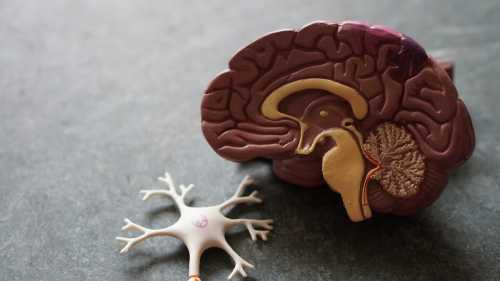
Imagine, if you will, that your mind is a beautiful, vast garden. This garden is filled with colorful flowers, tall trees, gentle streams, and bright sunshine. Every thought you have, every memory you treasure, every feeling of joy or sadness is like a different plant in this magnificent garden. When you are happy and healthy, the garden flourishes. The flowers bloom brightly, the trees grow strong, and the streams flow clear and fresh. This is what a healthy mind feels like—a place of beauty, growth, and life.
But sometimes, a terrible storm comes to visit this beautiful garden. This storm has a name: depression. When depression arrives, dark clouds cover the sky. The rain pours down heavily, day after day. The flowers begin to wilt and droop. The trees lose their leaves. The streams become muddy and slow. The entire garden, which was once so full of life and color, becomes gray, cold, and difficult to navigate.
For millions of people around the world, this is what depression feels like. It is not just feeling sad for a day or two. It is a deep, persistent darkness that makes it hard to get out of bed, hard to enjoy the things you once loved, hard to see any hope for the future. It affects how you think, how you feel, and how you live your daily life.
Most people who experience depression can find help. They talk to doctors, they take medications, they go to therapy sessions, and slowly, the storm begins to pass. The sun comes back out, the flowers start to bloom again, and the garden recovers. This is wonderful news, and it happens for many, many people.
But for some people, the storm does not pass. They try different medications, but none of them seem to work. They go to therapy sessions week after week, month after month, but the darkness remains. This is called treatment-resistant depression. It means that the standard treatments—the ones that help most people—are not helping them. They are still stuck in the storm, still struggling to find their way through the gray, cold garden. This is an incredibly difficult and painful place to be, and it affects millions of people in the United States, the United Kingdom, Canada, and all around the world.
For a very long time, scientists and doctors did not know what to do for people with treatment-resistant depression. They kept trying different combinations of existing medications, but the results were often disappointing. The patients remained stuck in their storms, and the doctors felt helpless.
But then, something unexpected happened. Scientists began to look at a substance that most people had never considered as medicine: psilocybin. Psilocybin is the active ingredient in what some people call "magic mushrooms." These are special mushrooms that grow in nature, and when someone eats them, they can have very unusual experiences. They might see colors that seem brighter, hear sounds that seem deeper, and feel emotions that seem more intense. For thousands of years, indigenous cultures around the world have used these mushrooms in sacred ceremonies to heal the mind and spirit.
However, in modern times, psilocybin became illegal in most countries. It was classified as a dangerous drug, and research into its potential benefits was stopped for many decades. But in recent years, scientists began to wonder: could this substance, which was once used by ancient healers, actually help people suffering from modern mental health conditions like depression?
The answer, it turns out, is yes. And the evidence is so strong that the United States Food and Drug Administration (FDA) has just made a historic decision. After reviewing years of careful, rigorous clinical trials, the FDA has officially approved psilocybin-assisted therapy as a treatment for treatment-resistant depression. This is a monumental breakthrough, and it represents a complete shift in how we understand and treat mental health conditions.
So how does psilocybin actually work? To understand this, we need to go back to our garden metaphor. In a depressed mind, the garden has become stuck in rigid, unchanging patterns. The same negative thoughts repeat over and over, like a broken record. The same feelings of hopelessness and sadness persist day after day. The brain's neural pathways—the roads that thoughts travel on—have become deeply rutted and inflexible.
Psilocybin works by temporarily disrupting these rigid patterns. When a patient undergoes psilocybin-assisted therapy, they take a carefully measured dose of the compound in a safe, controlled environment, usually a comfortable clinic room, under the guidance of trained therapists. The psilocybin then acts on specific receptors in the brain, particularly the serotonin 2A receptors. Serotonin is a chemical messenger that helps regulate mood, and these receptors play a key role in how we perceive and process our experiences.
When psilocybin activates these receptors, something remarkable happens. The brain's normal filtering systems become more flexible. Connections between different parts of the brain that don't usually communicate suddenly start talking to each other. It's like the garden suddenly gets a fresh rain that washes away the old, rutted paths and allows new roads to be built. The patient's mind becomes more open, more creative, and more able to see things from new perspectives.
During the therapy session, which typically lasts several hours, the patient might experience vivid imagery, profound emotional insights, and a sense of connection to something larger than themselves. Many patients report feeling as though they are seeing their lives, their problems, and their potential from a completely new angle. The rigid, negative thought patterns that have been trapping them begin to loosen and dissolve.
But the magic doesn't happen just during the session. The real transformation occurs in the days and weeks that follow. After the psilocybin experience, the brain remains in a more flexible, plastic state for a period of time. This is when the therapeutic work happens. With the guidance of their therapists, patients can explore the insights they gained during the session, process difficult emotions, and begin to build new, healthier thought patterns. It's like the garden, after the rain, is now ready to be replanted with new flowers, new trees, and new life.
The FDA's approval was not based on just a few promising studies. It was based on multiple large-scale, Phase 3 clinical trials—the gold standard of medical research. These trials involved hundreds of patients with treatment-resistant depression who had failed to respond to at least two standard antidepressant medications.
The results were striking. In the trials, patients who received psilocybin-assisted therapy showed a significant reduction in depression symptoms compared to those who received a placebo. Many patients experienced rapid relief, with improvements noticeable within just one day of the session, and these improvements were sustained for weeks and even months after the treatment.
One of the most remarkable findings was the durability of the effect. Unlike traditional antidepressants, which often need to be taken daily for years to maintain their effect, psilocybin-assisted therapy typically involves only one or two sessions, followed by integration therapy. Yet the benefits can last for six months or longer. For patients who have been struggling with depression for years or even decades, this is nothing short of revolutionary.
The safety profile was also carefully monitored. While psilocybin can cause temporary increases in heart rate and blood pressure, and can induce challenging emotional experiences during the session, serious adverse events were rare when the treatment was administered in a controlled clinical setting with proper screening and support. Patients are carefully screened to ensure they don't have personal or family histories of psychosis or other conditions that might make psilocybin unsafe for them.
So what does this FDA approval actually mean for people suffering from treatment-resistant depression? It means that psilocybin-assisted therapy is now a legally recognized treatment option in the United States. Doctors can prescribe it, clinics can offer it, and insurance companies may eventually cover it. This is a massive shift from just a few years ago, when psilocybin was still a Schedule I controlled substance with no recognized medical use.
However, it's important to understand that this is not a treatment that patients can simply pick up at their local pharmacy. Psilocybin-assisted therapy is a complex, multi-step process that requires specialized training and facilities. Here's how it typically works:
First, a patient must be evaluated by a qualified mental health professional to determine if they are a good candidate for the treatment. This involves a thorough medical and psychiatric history, as well as careful screening for any contraindications.
If the patient is approved, they then undergo several preparation sessions with their therapist. These sessions help build trust, set intentions for the experience, and prepare the patient emotionally and psychologically for what they might encounter during the psilocybin session.
The actual dosing session takes place in a comfortable, controlled environment, usually a specially designed room that feels more like a living room than a hospital. The patient ingests the psilocybin under the close supervision of two trained therapists who remain present throughout the entire experience, which can last anywhere from four to eight hours. The therapists provide emotional support, guidance, and help the patient navigate any challenging moments that arise.
After the session, the patient participates in integration therapy sessions. These are crucial for helping the patient make sense of their experience, apply the insights they gained to their daily life, and continue the process of healing and growth. Integration is where the real, lasting change happens.
The entire process is intensive and requires a significant commitment of time and resources. As a result, psilocybin-assisted therapy is likely to be expensive, at least initially, and may not be immediately available in all areas. However, as more clinics are established and more therapists are trained, access should gradually improve.
The FDA's decision is likely to have ripple effects far beyond the United States. Other countries, including Canada and the United Kingdom, have been closely watching the progress of psilocybin research. Health Canada, for example, has already granted some exemptions for psilocybin-assisted therapy in end-of-life care, and the UK's National Health Service (NHS) has been exploring the potential of psychedelic therapies.
The FDA's approval provides a powerful precedent and a wealth of safety and efficacy data that other regulatory bodies can draw upon. It's likely that we will see similar approvals in other countries over the next few years, potentially transforming mental health care on a global scale.
This could also spur further research into the use of psilocybin and other psychedelic substances for other mental health conditions. Early studies have shown promise for using psilocybin to treat anxiety in terminal illness, post-traumatic stress disorder (PTSD), addiction, and eating disorders. The FDA's decision opens the door for these areas of research to expand and potentially lead to additional approvals.
Moreover, this approval represents a significant shift in how we approach mental health treatment more broadly. For decades, the dominant paradigm has been daily medication management—taking a pill every day to manage symptoms. Psilocybin-assisted therapy offers a different model: an intensive, transformative experience that addresses the root causes of psychological distress, rather than just managing the symptoms. This could lead to a reimagining of mental health care, with greater emphasis on holistic, patient-centered approaches that combine pharmacological, psychological, and spiritual elements.
For the millions of people around the world who are suffering from treatment-resistant depression, this FDA approval is a beacon of hope. It means that there is now a new tool in the fight against this devastating illness. It means that the storm does not have to last forever. It means that the garden can be restored, even after years of darkness.
Of course, psilocybin-assisted therapy is not a miracle cure. It doesn't work for everyone, and it's not appropriate for every patient. Mental health is complex, and depression is a multifaceted condition that often requires a combination of treatments. But for those who have tried everything else and found no relief, this new option could be life-changing.
It's also important to remember that this approval is the result of decades of dedicated research by scientists, clinicians, and advocates who believed in the potential of these substances despite significant stigma and legal barriers. Their perseverance has paid off, and their work is now helping to alleviate suffering on a massive scale.
As we look to the future, the landscape of mental health care is changing in profound ways. The approval of psilocybin-assisted therapy is just the beginning. Researchers are continuing to explore the potential of other psychedelic substances, including MDMA (which has already been approved for PTSD), LSD, and others. New formulations, new delivery methods, and new therapeutic protocols are being developed.
At the same time, there is a growing recognition of the importance of addressing the social, economic, and environmental factors that contribute to mental health challenges. Therapy and medication are essential, but so are community support, meaningful work, access to nature, and a sense of purpose. The most effective approach to mental health care will likely integrate all of these elements.
For now, though, we can celebrate this moment. The FDA's approval of psilocybin-assisted therapy for treatment-resistant depression is a historic achievement. It represents a triumph of science over stigma, of compassion over fear, and of hope over despair. It offers a new path forward for millions of people who have been trapped in the storm for far too long.
And for those who are still struggling, who are still searching for relief, know this: the garden can be restored. The sun can shine again. The flowers can bloom. Help is available, and new help is on the way. You are not alone, and there is hope.
Related Articles

The Canary in the Locker Room: Inside the $800B Mental Health Reckoning of Global Sports and Entertainment
Aug 12, 2026
The Synthetic Enclosure: How AI Licensing Cartels and Live-Event Monopolies are Rewiring Music Economics
Aug 11, 2026
Comments (0)
No comments yet. Be the first to share your thoughts!
Want to join the discussion?
Please log in to post a comment.
Login NoworCreate an Account