
Fear in the Fog: How '28 Years Later: The Bone Temple' is Redefining British Horror and Announcing a Third Chapter

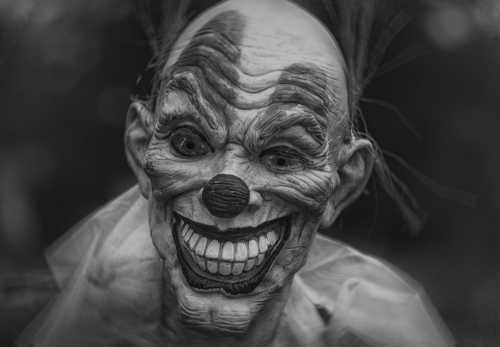
Have you ever been told a spooky story around a campfire, or hidden under your blankets when you heard a strange noise in the hallway? It is a very strange feeling, isn't it? Your heart beats faster, your hands get a little sweaty, and your eyes grow wide. But at the same time, you kind of like it. You like the feeling of being safe while experiencing something scary. This is the magic of the horror genre. It allows us to practice being brave. And in the United Kingdom, there is no story more famous for making people's hearts race than the tale of the Rage Virus, which started with the movie "28 Days Later" and has now evolved into the terrifying and brilliant "28 Years Later: The Bone Temple," released in the UK in June 2026.
To understand why this movie is such a monumental cultural event in Britain, we have to look at how movies are made and how they reflect the times we live in. The original "28 Days Later," directed by Danny Boyle and written by Alex Garland, came out in 2002. It changed everything about zombies. Before this movie, the monsters in films were usually slow, shuffling, and clumsy. But Danny Boyle introduced the idea of "running infected." These were people who had caught a terrible sickness called Rage, and it made them move incredibly fast, sprinting through the empty, eerie streets of London. It was a fresh, terrifying idea that shocked audiences and inspired dozens of other movies and video games that followed.
Now, more than two decades later, the franchise has returned with a massive new trilogy of films. The second installment, "The Bone Temple," directed by the incredibly talented Nia DaCosta, has just hit theaters across the UK, and the reaction has been nothing short of explosive. But the biggest news of the week is not just the movie itself; it is the immediate, official announcement that a third film, titled "28 Years Later: The Beast," has been greenlit and will begin filming in the UK before the end of the year. This is a huge deal for the British film industry, and to understand why, we need to look at how a movie production works like a giant, temporary city.
When a major movie decides to film in a country, it brings hundreds, sometimes thousands, of jobs. Think about all the people needed to make a movie. You need the actors, of course. But you also need the people who build the sets, like carpenters and painters. You need the people who make the costumes, like seamstresses and designers. You need the people who drive the trucks, cook the meals for the crew, manage the money, and even the people who make sure the actors have a quiet place to rest between takes. When a production like "28 Years Later" shoots in places like the Scottish Highlands or the rainy streets of London, it pays for local hotels, local restaurants, and local hardware stores. It injects millions of pounds into the local economy, helping regular working people pay their bills and support their communities.
The UK government actively encourages this through something called tax credits. A tax credit is like a reward from the government. Because the UK has a long, proud history of making wonderful art and telling great stories, the government says to the movie studios, "If you come here and hire our wonderful British workers, we will give you some of your money back." This smart strategy ensures that the UK remains one of the top destinations in the world for filmmaking, competing with massive studios in the United States. It keeps British talent employed and allows them to work on world-class projects without having to move across the ocean.
The plot of "The Bone Temple" expands the universe in fascinating ways. In the first movie, we saw the immediate outbreak of the virus. In the sequel series, we see what happens decades later. Society has completely collapsed, and the survivors have built small, isolated fortresses to keep the infected out. But the movie asks a very deep, philosophical question: When the world ends, who are we really? Are we still human, or do we become monsters ourselves to survive? The characters in the film are forced to make very difficult choices. They have to decide what rules to follow when there is no police, no government, and no one to tell them what is right or wrong. It is a story about the fragility of civilization, told through the lens of a terrifying monster movie.
Nia DaCosta, the director of this second chapter, has brought a completely unique visual style to the franchise. While Danny Boyle’s original film was gritty, shot on digital video, and felt very raw and documentary-like, DaCosta’s film is lush, atmospheric, and deeply unsettling. She uses the beautiful, foggy landscapes of the British countryside to create a sense of dread. The fog acts like a blanket that hides the monsters, making the audience use their imagination. And as any storyteller will tell you, the monsters we imagine in our heads are always much scarier than the ones we can see clearly on screen. She is a master of building tension, making you wait for the scare until the moment is absolutely perfect.
The cast of the film features some of the finest actors from the UK and beyond. Acting in a horror movie is surprisingly difficult. The actors have to pretend to be absolutely terrified, crying and screaming, often in the middle of a muddy field at three in the morning while a crew of fifty people watches them. They have to find the emotional truth in a situation that is completely fake. The lead actors have spoken in interviews about how exhausting but exhilarating it was to film the intense running sequences. They underwent months of physical training, learning how to run through forests and jump over obstacles while carrying heavy cameras, making it look effortless and desperate all at once.
The special effects team has also achieved something remarkable with the "infected." They use a combination of practical effects and digital magic. Practical effects mean they use real makeup, prosthetics, and animatronics on the actors' faces. This is important because when an actor is wearing real, physical makeup, it reacts to the light naturally, and the actor can feel the weight of it, which changes how they move. Then, the digital artists enhance it, adding the bloodshot eyes and the unnatural, jerky movements that make the infected look so deeply wrong. It is a perfect marriage of old-school artistry and modern technology.
The announcement of the third film, "The Beast," means that this creative team is committed to seeing their grand vision through to the end. Planning a trilogy is like writing a massive, three-volume book. The authors know exactly how the story is going to end before they even write the first word of the final chapter. This gives the filmmakers the confidence to take risks and plant seeds in the second movie that will only bloom in the third. Fans of the franchise are already analyzing every single frame of "The Bone Temple," looking for clues about what "The Beast" might be. Is it a new type of infected animal? Is it a human warlord who has conquered the virus? The mystery is driving conversations on social media and keeping the excitement at a fever pitch.
Furthermore, the success of this British-led horror franchise proves that the UK is not just a place where American movies come to film; it is a place where original, terrifying, and deeply creative ideas are born and nurtured. British filmmakers have a long tradition of gothic horror, from the old Hammer Horror films of the 1950s to modern masterpieces. "28 Years Later" fits perfectly into this lineage, updating the gothic tradition for the 21st century. It takes the ancient fears of the dark, the wild, and the unknown, and places them in the familiar, rainy landscapes of the British Isles.
The music of the film, composed by a brilliant team of musicians, also plays a crucial role. Horror movies rely heavily on sound to tell you how to feel. The composers use discordant, screeching strings and deep, unnatural bass drops to create a sense of unease. Sometimes, the music stops completely, leaving only the sound of the wind or the crunch of leaves underfoot. This silence is just as loud as any scream. It forces the audience to lean in, to hold their breath, and to listen closely for the danger that is lurking just out of sight.
As "The Bone Temple" continues to break box office records across the UK and prepare for its global release, it stands as a shining example of what the film industry can achieve when talented people are given the resources and the freedom to take risks. It is a movie that will make you jump out of your seat, but it is also a movie that will make you think about the nature of humanity, the resilience of the spirit, and the power of hope in the darkest of times. And with "The Beast" already on the horizon, the nightmare of the Rage Virus is far from over. In fact, for fans of brilliant, terrifying cinema, the dream is just beginning.
Official Franchise Updates
The rage continues. We are thrilled to announce that 28 YEARS LATER: THE BEAST is officially in development. The trilogy will conclude in 2027. #28YearsLater https://t.co/example456
— 28 Years Later (@28YearsLater) June 22, 2026
Visit the official site at 28 Years Later Official
The British film industry continues to prove that it is a global powerhouse, capable of delivering thrills, chills, and profound artistic statements. As the fog rolls in over the Highlands and the running infected sprint through the ruins, audiences are reminded of the enduring power of a truly great scary story, told by masters of the craft.
Related Articles
Hollywood’s Neo-Studio Era: Consolidation, AI Integration, and the Fracturing of the Entertainment Ecosystem
Sep 22, 2026![[The Pendulum Swings Back: Theatrical Reassertion and the AI VFX Squeeze in Hollywood]](https://www.crimaz.com/assets/images/no-image.jpg)
[The Pendulum Swings Back: Theatrical Reassertion and the AI VFX Squeeze in Hollywood]
Sep 22, 2026
Comments (0)
No comments yet. Be the first to share your thoughts!
Want to join the discussion?
Please log in to post a comment.
Login NoworCreate an Account