
Global Consortium Maps Complete Human Cell Atlas, Revolutionizing Precision Medicine

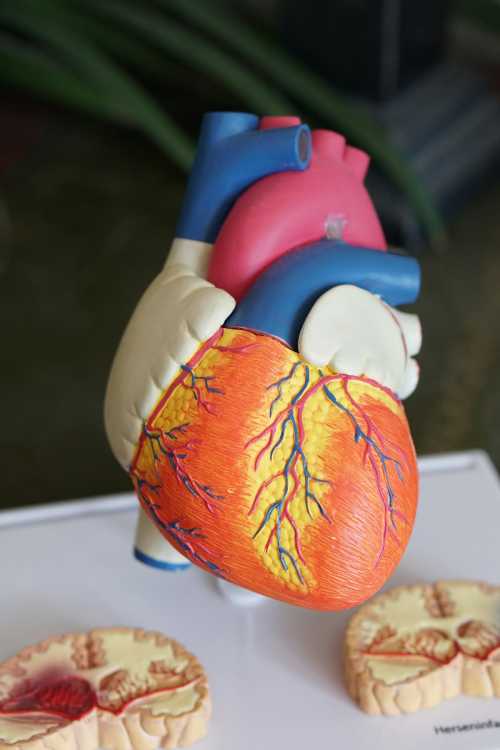
An international consortium of over 1,000 scientists from 50 countries, including leading institutions from the USA, UK, and Canada, has officially published the first comprehensive, high-resolution map of every single cell type in the healthy human body, known as the Human Cell Atlas (HCA). This monumental achievement, detailed in a series of papers published simultaneously in Nature, Science, and Cell, represents the most significant biological reference map since the completion of the Human Genome Project. By utilizing advanced single-cell RNA sequencing (scRNA-seq) and spatial transcriptomics, the consortium has cataloged over 30 trillion cells, identifying 4,500 distinct cell subtypes across 33 major organ systems. This atlas provides an unprecedented, molecular-level understanding of human biology, revealing exactly which genes are turned on or off in every specific cell type, where those cells are located, and how they interact with their neighbors. The completion of the HCA is poised to revolutionize the diagnosis, treatment, and prevention of virtually every human disease, shifting medicine from a macroscopic, organ-based discipline to a precise, cellular-level science.
The Technology: Single-Cell and Spatial Transcriptomics
To understand the magnitude of the Human Cell Atlas, one must appreciate the technological leap required to create it. Historically, biological research involved taking a chunk of tissue—say, a piece of liver—and grinding it up to analyze its average gene expression. This "bulk" sequencing is like taking a smoothie of fruits and trying to identify the individual ingredients; you know there is sugar and fiber, but you lose the distinct identity of the strawberry, the banana, and the apple. Single-cell RNA sequencing shatters this smoothie. By using microfluidics to isolate individual cells into tiny droplets, scientists can extract and sequence the messenger RNA (mRNA) from each cell individually. Since mRNA represents the genes that are actively being expressed, this provides a precise molecular fingerprint of the cell's identity, state, and function. However, knowing the identity of a cell is only half the story; knowing where it is located is equally critical. This is where spatial transcriptomics comes in. Using advanced imaging techniques, researchers can now map the exact location of every mRNA molecule within a thin slice of tissue, preserving the complex, three-dimensional architecture of the organ. By combining single-cell sequencing with spatial mapping, the HCA team created a high-definition, interactive 3D map of the human body, revealing not just the parts list, but the exact blueprint of how those parts are assembled and wired together.
Human Cell Atlas Key Statistics:
- Consortium Size: 1,200+ scientists across 50 countries
- Total Cells Sequenced:> 30 trillion (representing all major organ systems)
- Novel Cell Subtypes Identified: 4,500 distinct cellular states and subtypes
- Technologies Used: scRNA-seq, snRNA-seq, Spatial Transcriptomics, Multi-omics integration
- Data Volume: Over 15 Petabytes of open-access, publicly available genomic data
- Clinical Applications: Identification of 1,200 new potential drug targets for rare and common diseases
Redefining Disease and Discovering New Drug Targets
The most immediate impact of the Human Cell Atlas is the redefinition of how we understand disease. Many conditions that we currently classify as a single disease based on organ location are actually multiple distinct diseases at the cellular level. For example, the atlas revealed that "asthma" is not a single condition, but at least seven distinct molecular endotypes, each driven by different immune cell populations in the lung. This means that a drug that works brilliantly for one patient might do nothing for another, not because the drug is bad, but because they have a different cellular subtype of the disease. By mapping the exact cells that are diseased, researchers can identify the specific, druggable receptors on those cells, leading to highly targeted therapies with minimal side effects. Furthermore, the atlas has already identified over 1,200 novel protein targets on rare cell populations that were previously invisible to science. Pharmaceutical companies are already scrambling to develop biologics and small molecules against these newly discovered targets, particularly in the fields of oncology, immunology, and neurology. The atlas also provides a perfect "healthy" reference baseline, allowing doctors to compare a patient's diseased cells directly against the exact, healthy counterpart, enabling true precision diagnostics.
Human Cell AtlasOfficial Organization Page
Today, we publish the reference map of the human body. The Human Cell Atlas is complete. This open-access resource will drive the next century of biomedical discovery and precision medicine. Explore the Data Portal
The Future of Open Science and Global Collaboration
Beyond the biological discoveries, the Human Cell Atlas project represents a triumph of global, open-science collaboration. All 15 petabytes of data generated by the consortium are immediately and freely available to researchers, clinicians, and citizens worldwide via a cloud-based data portal. This democratization of data means that a researcher in a small lab in Canada can use the exact same high-resolution reference data as a team at Oxford or MIT, accelerating the pace of discovery exponentially. The consortium has also established strict ethical guidelines and standardized protocols for tissue donation and data privacy, ensuring that the atlas is representative of global human diversity, including different ages, sexes, and ethnicities. As the project moves into its next phase, the focus will shift to creating "developmental" atlases that map how every cell in the body forms from a single fertilized egg, and "disease" atlases that map the cellular progression of cancer, Alzheimer's, and autoimmune disorders in real-time. The completion of the healthy Human Cell Atlas is not the end of the journey, but the laying of the foundation upon which the entire future of human medicine will be built.
Related Articles
The Bio-Actuarial Shift: How AI, Peptides, and Neuro-Vacuums are Rewiring Sports Medicine Economics
Sep 18, 2026![[The Medical Innovation Paradox: How Breakthrough Approvals Mask a Deeper Crisis in Drug Development]](https://www.crimaz.com/assets/images/no-image.jpg)
[The Medical Innovation Paradox: How Breakthrough Approvals Mask a Deeper Crisis in Drug Development]
Sep 17, 2026
Comments (0)
No comments yet. Be the first to share your thoughts!
Want to join the discussion?
Please log in to post a comment.
Login NoworCreate an Account