
Lilly's Retatrutride Lawsuits: The First Pre-Approval Black Market in Obesity Drug History

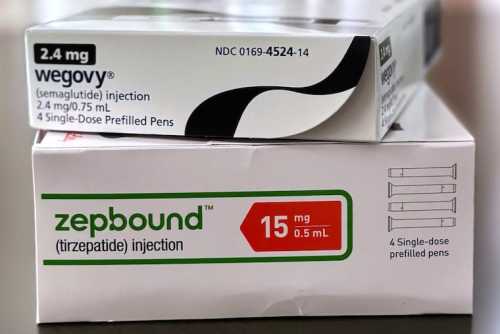
Counterfeit tickets usually appear after a venue sells out; when they appear before the doors open, the demand signal is the story. The obesity drug market has produced exactly that anomaly.
Eli Lilly has filed six lawsuits, five of them in Texas, against companies selling unapproved versions of retatrutride, its triple GIP/GLP-1/glucagon receptor agonist that has not yet received FDA approval, escalating an enforcement campaign against a grey market that formed ahead of the regulatory calendar.
Three Implications the Litigation Headlines Miss
First, a pre-approval black market is a new asset class in pharma risk. Demand has outrun the PDUFA calendar, and "research peptide" storefronts are selling a molecule whose safety profile is still being defined in trials, converting regulatory latency into a commercial grey zone that no previous drug cycle has exhibited at this scale.
Second, the grey market is a pricing referendum. Every unverified vial sold at a fraction of list price is a revealed-preference data point about what the insured and uninsured will tolerate, and launch pricing strategists will read the enforcement docket the way analysts read a short-seller report.
Third, the safety externalities migrate to emergency departments. The FDA has formally warned about unapproved GLP-1 products, and mislabelled or degraded peptides produce adverse events that hospitals absorb and the brand ultimately owns, because the public cannot distinguish a counterfeit vial from a compounded one.
The Whack-a-Mole Counter-Argument
Critics will frame the suits as brand defence ahead of a lucrative launch, and the timing invites that reading. Yet the counter-evidence is clinical: unverified peptides carry documented contamination and dosing risks, making enforcement a patient-safety instrument, not merely a commercial one. The deeper correction is that litigation cannot close the access gap; without pricing and telehealth reform, demand simply migrates to the next molecule, which is precisely the migration pattern the semaglutide compounding cycle just demonstrated.
The 2024 Compounding Precedent
The 2023-24 semaglutide compounding boom, and the enforcement wave that followed the FDA's shortage-list removal, taught the market that suppression redirects rather than eliminates demand. Retatrutride is that lesson's confirmation: the black market now anticipates approvals instead of reacting to them.
Actionable Moves for Consumers and Clinicians
- Consumers should verify authenticity through manufacturer tools and treat any pre-approval retatrutride offer as counterfeit by definition.
- Telehealth platforms must audit peptide suppliers now; liability exposure will follow the first serious adverse event.
- Clinicians should screen for unverified GLP-1 use in preoperative and metabolic workups, because undisclosed peptides are a clinical variable.
February 2027: The Enforcement Docket Matures
Six months out, expect the first injunctions in the Texas docket, compounding legislation responses, and a retatrutride regulatory decision that will either absorb the grey market into legal demand or push it further underground. The tickets were counterfeited before the venue opened; the pricing of the real seats will tell us why.
Primary sources:BioPharma Dive litigation report · Lilly counterfeit safety page · CBS Mornings coverage
Related Articles

2,566 Cases and Counting: The Measles Resurgence Is a Levee-Maintenance Ledger, Not a Mystery
Aug 14, 2026
MethylScan's $20 Question: UCLA's Blood Test Turns Cancer Screening Into a Cost-Curve Story
Aug 14, 2026
Comments (0)
No comments yet. Be the first to share your thoughts!
Want to join the discussion?
Please log in to post a comment.
Login NoworCreate an Account