
2,566 Cases and Counting: The Measles Resurgence Is a Levee-Maintenance Ledger, Not a Mystery

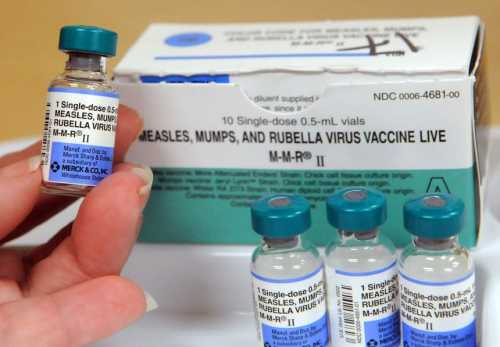
A levee rarely fails along its full length; it fails at the segments where maintenance was deferred, and the flood maps tell you exactly which neighbourhoods skipped the work. Herd immunity behaves the same way, and the 2026 measles ledger is a flood map.
As of August 13, the CDC had confirmed 2,566 U.S. measles cases in 2026, already surpassing last year's total and marking a 35-year high, with 35 new outbreaks and no deaths recorded this year after three in 2025.
Three Implications the Case Count Hides
First, elimination status is a balance-sheet asset. The 2000 declaration of U.S. measles elimination functions internationally as proof of public-health solvency; sustained transmission threatens that designation and, with it, grant positioning, travel-health credibility and the herd threshold narrative that anchors vaccine policy.
Second, the geography is the story. Outbreak clusters track kindergarten exemption rates and rural clinic deserts, not random viral luck; Utah's twelve-month, 711-case episode shows how a single under-vaccinated network can absorb a year of public-health capacity. Case counts are a lagging indicator; exemption filings are the leading one.
Third, the externalities land on local budgets. Hospital isolation protocols, outbreak investigation teams and parental absenteeism convert a vaccine-preventable virus into a recurring municipal cost line, a transfer from taxpayers to a preventable risk.
Two Corrections to the Doom Narrative
The absence of recorded deaths in 2026 and the containment of most clusters show a system that is stressed but functioning; severity framing should stay proportional. And the standard hesitancy narrative misses supply-side failure: missed appointments, closed rural clinics and appointment friction explain part of the under-vaccination that commentary prefers to attribute purely to belief. Both levers, demand and access, require funding.
The 1989 Precedent: Reversal Is Recoverable
The 1989-91 resurgence, more than 55,000 cases and roughly 123 deaths, ended not through persuasion but through investment: school-entry mandates, Vaccines for Children funding and sustained outreach that produced the 2000 elimination. The lesson for 2026 is precise, that elimination is an operating budget, not a trophy, and it is currently being renegotiated at the statehouse.
Actionable Moves for Families and Local Institutions
- Parents should verify two MMR doses on file; two doses are 97 percent effective and the arithmetic is non-negotiable.
- Schools and employers should audit immunisation records before the winter mixing season, not during an outbreak.
- Local health departments should deploy pop-up and weekend clinics in exemption-heavy zip codes, converting access failures into coverage.
February 2027: The Tally and the Test
Six months out, expect the 2026 final tally above 3,000 cases, state-level exemption legislation as the decisive battleground, and a formal WHO elimination-status review entering the docket. The levee held in most places this year; the maintenance ledger decides whether it holds next year.
Primary sources:CDC measles surveillance data · CIDRAP outbreak tracking


Comments (0)
No comments yet. Be the first to share your thoughts!
Want to join the discussion?
Please log in to post a comment.
Login NoworCreate an Account